BUSINESS NEWS

Showing 12 articles

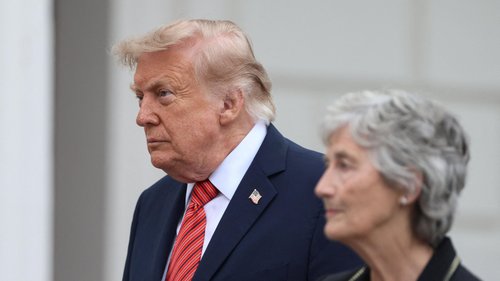
Trump Announces $700 Million Boost for U.S. Coal Industry","description":"President Donald Trump is set to use a Cold‑War‑era defense law to fund new coal plants and revive aging ones, a move that could create 14,000 jobs but faces environmental backlash.","summary":"The Trump administration plans to spend nearly $700 million to support 13 coal‑fired power plants nationwide and build new plants in Alaska and West Virginia. The funding also aims to restart a Maryland plant and modernize a long‑delayed California export terminal. The initiative could create more than 14,000 jobs in coal, construction, rail and maritime sectors. Critics warn it will increase air pollution and electricity bills, while environmental groups decry a shift away from clean energy.","image":"https://dims.apnews.com/dims4/default/fc9a635/2147483647/strip/true/crop/5178x3452+0+0/resize/599x399!/quality/90/","text":"<p><strong>WASHINGTON</strong> – President Donald Trump is poised to revitalize the United States’ coal sector with a fresh $700 million investment, announced on Thursday. The funding will be applied to 13 coal‑fired power plants across the country and support the construction of new plants in Alaska and West Virginia – the first new coal plants since 2013.</p>\n\n<p>The plan will also restart a coal‑fired plant in Maryland and help build a still‑in‑the‑making coal export terminal in Oakland, California. According to a White House official, the initiative could create or support more than 14,000 jobs in the coal, construction, rail and maritime industries.</p>\n\n<p>Trump’s move follows last fall’s announcement of opening 13 million acres of federal land for mining and a $625 million pledge to recommission or modernize coal‑fired power plants. The administration has used a Cold War‑era national defense law to provide emergency orders that keep aging plants running past their scheduled retirement dates.</p>\n\n<p>Energy Secretary Chris Wright explained that the emergency orders help prevent power outages during extreme winter storms. “These senior plants keep the grid stable when temperatures plunge,” the official noted. “We’ve kept them running to avoid blackouts that would otherwise hit the region.”</p>\n\n<p>Environmental groups have slammed the plan. Kit Kennedy, managing director for power at the Natural Resources Defense Council, said, “Propping up coal billionaires with taxpayer money is putting polluters first and endangering the rest of us.” She warned that the decision will drive up electricity bills and degrade air quality.</p>\n\n<p>The move marks a reversal of years of decline in the American coal industry, which once provided more than half of U.S. electricity. According to the Energy Information Administration, coal’s share of U.S. electricity fell to about 15% in 2024, down from roughly 45% in 2010. Natural gas now supplies just over 40% of electricity, with the remainder coming from nuclear, wind, solar and hydropower.</p>\n\n<p>Trump’s administration has also tightened support for renewable projects by freezing offshore wind permits, ending clean‑energy tax credits, and blocking wind and solar developments on federal lands.</p>\n\n<p>While the administration argues the funding will safeguard the grid and stimulate local economies, critics say the prioritization of coal is short‑sighted amid rising global demand for cleaner sources and the inexorable decline of coal exports to China following reciprocal tariffs. The outcome of this initiative will shape the country’s energy mix for years to come.</p>
AP

Trump Announces $700 Million Boost for U.S. Coal Industry","description":"President Donald Trump is set to use a Cold‑War‑era defense law to fund new coal plants and revive aging ones, a move that could create 14,000 jobs but faces environmental backlash.","summary":"The Trump administration plans to spend nearly $700 million to support 13 coal‑fired power plants nationwide and build new plants in Alaska and West Virginia. The funding also aims to restart a Maryland plant and modernize a long‑delayed California export terminal. The initiative could create more than 14,000 jobs in coal, construction, rail and maritime sectors. Critics warn it will increase air pollution and electricity bills, while environmental groups decry a shift away from clean energy.","image":"https://dims.apnews.com/dims4/default/fc9a635/2147483647/strip/true/crop/5178x3452+0+0/resize/599x399!/quality/90/","text":"<p><strong>WASHINGTON</strong> – President Donald Trump is poised to revitalize the United States’ coal sector with a fresh $700 million investment, announced on Thursday. The funding will be applied to 13 coal‑fired power plants across the country and support the construction of new plants in Alaska and West Virginia – the first new coal plants since 2013.</p>\n\n<p>The plan will also restart a coal‑fired plant in Maryland and help build a still‑in‑the‑making coal export terminal in Oakland, California. According to a White House official, the initiative could create or support more than 14,000 jobs in the coal, construction, rail and maritime industries.</p>\n\n<p>Trump’s move follows last fall’s announcement of opening 13 million acres of federal land for mining and a $625 million pledge to recommission or modernize coal‑fired power plants. The administration has used a Cold War‑era national defense law to provide emergency orders that keep aging plants running past their scheduled retirement dates.</p>\n\n<p>Energy Secretary Chris Wright explained that the emergency orders help prevent power outages during extreme winter storms. “These senior plants keep the grid stable when temperatures plunge,” the official noted. “We’ve kept them running to avoid blackouts that would otherwise hit the region.”</p>\n\n<p>Environmental groups have slammed the plan. Kit Kennedy, managing director for power at the Natural Resources Defense Council, said, “Propping up coal billionaires with taxpayer money is putting polluters first and endangering the rest of us.” She warned that the decision will drive up electricity bills and degrade air quality.</p>\n\n<p>The move marks a reversal of years of decline in the American coal industry, which once provided more than half of U.S. electricity. According to the Energy Information Administration, coal’s share of U.S. electricity fell to about 15% in 2024, down from roughly 45% in 2010. Natural gas now supplies just over 40% of electricity, with the remainder coming from nuclear, wind, solar and hydropower.</p>\n\n<p>Trump’s administration has also tightened support for renewable projects by freezing offshore wind permits, ending clean‑energy tax credits, and blocking wind and solar developments on federal lands.</p>\n\n<p>While the administration argues the funding will safeguard the grid and stimulate local economies, critics say the prioritization of coal is short‑sighted amid rising global demand for cleaner sources and the inexorable decline of coal exports to China following reciprocal tariffs. The outcome of this initiative will shape the country’s energy mix for years to come.</p>

Detroit Caterer’s Weekly Aid Brings Hope to Lebanon’s Refugees","description":"A 47‑year‑old Lebanese American in Dearborn Heights turns her catering business into a lifeline for families displaced by the Israel‑Hezbollah war.","summary":"Catering entrepreneur Mirvet Makki channels her profits to help relatives and friends in southern Lebanon, where war‑torn villages have lost homes and livelihoods. While the U.S. faces cost‑of‑living pressures, Makki’s modest remittances keep the diaspora’s ties strong. Her story illustrates how small businesses become hothouse engines of humanitarian support, and how the Lebanese diaspora in America remains a crucial lifeline for a country in crisis.","image":"<img src=\"https://picsum.photos/id/1074/800/400\" alt=\"Detroit kitchen\" style=\"width:100%;height:auto;\">","text":"<p>Every Wednesday, 47‑year‑old Mirvet Makki leaves a portion of her catering income for people in Lebanon displaced by the Israel‑Hezbollah conflict. In the Detroit suburb of Dearborn Heights, she prepares couscous stews, kibbeh balls and other comfort foods that delight both customers and the families she helps.</p>\n<p>Makki emigrated to Michigan in 1990, but her heart has always been rooted in her childhood village of Bint Jbeil in southern Lebanon, a region severely damaged by the latest round of fighting. The war now has more than a million people displaced—roughly one in six Lebanese residents—killing over 3,500 people and crippling the nation’s economy.</p>\n<p>\"I wondered, ‘What can I do?’ And then I decided to use my business,'\" Makki explains. \"Even with rising costs here, the money that I can spare is spent on keeping my family safe.\"</p>\n<p>Like Makki, many in the Lebanese diaspora wrestle with guilt and helplessness. It is difficult to help loved ones who are stuck, facing a worsening economic crisis but unwilling—or unable—to leave.</p>\n<h2>Strengthening the Diaspora Network</h2>\n<p>Lebanese migration to the U.S. dates back to the late 1800s. Today, roughly 625,000 U.S. residents are Lebanese‑American, yet estimates suggest close to 1.4 million worldwide. The diaspora’s political views echo those at home: opinions on the Lebanese government, Hezbollah, and Israel vary along religious lines.</p>\n<p>Despite those differences, the community thrives on solidarity. In 2024, Lebanese Americans united for the \"<a href=\"https://apnews.com/article/dnc-uncommitted-arab-american-palestinian-gaza-93f9edb25a602c95ee226bd2645e4298\" style=\"color:blue;text-decoration:underline;\">Uncommitted movement</a>\", protesting U.S. support for Israel’s Gaza operations, and countering a Michigan synagogue attack by a Lebanese gunman.</p>\n<p>\"When they see the suffering in Lebanon, people’s first reaction is to rally, raise funds, and help everybody they can,\" says Akram Khater, director of Lebanese Diaspora Studies at North Carolina State University. \"The American citizenship gave them discretion to look beyond Washington for aid.\"</p>\n<h2>Remittances: Lebanon’s Backbone</h2>\n<p>Lebanon’s economy is largely sustained by remittances: the diaspora’s yearly cash flow, often in U.S. dollars, compensates for the local currency’s collapse. A trip to the country in February revealed a stark reality for Makki: a $200 trip that once covered a car rental and a hotel now barely covers a dinner.</p>\n<p>Many Americans prefer to send money directly to family rather than through formal aid agencies. Makki deliberately limits her transfers to $10,000, fearing regulatory scrutiny. \"I might just bring it myself if that’s safer,\" she jokes.</p>\n<p>Similarly, Troy, Michigan native Nadia Bryant has been supporting sisters in temporary housing near Ayta ash‑Shab, a village invaded by Israeli forces. She emphasizes that her sisters use the money to help orphaned children, not to buy a new home. “They are grateful,” she says. “They don’t ask to buy a mattress for themselves; they help those who need one.”</p>\n<p>A recent text exchange shows a sister sending a picture of a teapot amid rubble. Her caption reads, \"Best cup of tea since 9 October 2023.\" Bryant’s focus is rather than a simple check‑in, she asks, \"What does today look like or where are you today?\"</p>\n<h2>Challenges Ahead</h2>\n<p>Despite strong support, the Lebanese community in the U.S. faces obstacles. Immigration policy changes halted the processing of new immigrant visas for Lebanese nationals in late January. \"My aunts and cousins are over there—how many can you bring here?\" Attoui, an activist organizing a Detroit fundraiser, says.</p>\n<p>From kitchens to community halls, Michigan’s Lebanese Americans play a vital role in standing up for their homeland, compiling the chain of support and upholding hope amid ongoing conflict and withdrawal of international aid.\n
AP

Detroit Caterer’s Weekly Aid Brings Hope to Lebanon’s Refugees","description":"A 47‑year‑old Lebanese American in Dearborn Heights turns her catering business into a lifeline for families displaced by the Israel‑Hezbollah war.","summary":"Catering entrepreneur Mirvet Makki channels her profits to help relatives and friends in southern Lebanon, where war‑torn villages have lost homes and livelihoods. While the U.S. faces cost‑of‑living pressures, Makki’s modest remittances keep the diaspora’s ties strong. Her story illustrates how small businesses become hothouse engines of humanitarian support, and how the Lebanese diaspora in America remains a crucial lifeline for a country in crisis.","image":"<img src=\"https://picsum.photos/id/1074/800/400\" alt=\"Detroit kitchen\" style=\"width:100%;height:auto;\">","text":"<p>Every Wednesday, 47‑year‑old Mirvet Makki leaves a portion of her catering income for people in Lebanon displaced by the Israel‑Hezbollah conflict. In the Detroit suburb of Dearborn Heights, she prepares couscous stews, kibbeh balls and other comfort foods that delight both customers and the families she helps.</p>\n<p>Makki emigrated to Michigan in 1990, but her heart has always been rooted in her childhood village of Bint Jbeil in southern Lebanon, a region severely damaged by the latest round of fighting. The war now has more than a million people displaced—roughly one in six Lebanese residents—killing over 3,500 people and crippling the nation’s economy.</p>\n<p>\"I wondered, ‘What can I do?’ And then I decided to use my business,'\" Makki explains. \"Even with rising costs here, the money that I can spare is spent on keeping my family safe.\"</p>\n<p>Like Makki, many in the Lebanese diaspora wrestle with guilt and helplessness. It is difficult to help loved ones who are stuck, facing a worsening economic crisis but unwilling—or unable—to leave.</p>\n<h2>Strengthening the Diaspora Network</h2>\n<p>Lebanese migration to the U.S. dates back to the late 1800s. Today, roughly 625,000 U.S. residents are Lebanese‑American, yet estimates suggest close to 1.4 million worldwide. The diaspora’s political views echo those at home: opinions on the Lebanese government, Hezbollah, and Israel vary along religious lines.</p>\n<p>Despite those differences, the community thrives on solidarity. In 2024, Lebanese Americans united for the \"<a href=\"https://apnews.com/article/dnc-uncommitted-arab-american-palestinian-gaza-93f9edb25a602c95ee226bd2645e4298\" style=\"color:blue;text-decoration:underline;\">Uncommitted movement</a>\", protesting U.S. support for Israel’s Gaza operations, and countering a Michigan synagogue attack by a Lebanese gunman.</p>\n<p>\"When they see the suffering in Lebanon, people’s first reaction is to rally, raise funds, and help everybody they can,\" says Akram Khater, director of Lebanese Diaspora Studies at North Carolina State University. \"The American citizenship gave them discretion to look beyond Washington for aid.\"</p>\n<h2>Remittances: Lebanon’s Backbone</h2>\n<p>Lebanon’s economy is largely sustained by remittances: the diaspora’s yearly cash flow, often in U.S. dollars, compensates for the local currency’s collapse. A trip to the country in February revealed a stark reality for Makki: a $200 trip that once covered a car rental and a hotel now barely covers a dinner.</p>\n<p>Many Americans prefer to send money directly to family rather than through formal aid agencies. Makki deliberately limits her transfers to $10,000, fearing regulatory scrutiny. \"I might just bring it myself if that’s safer,\" she jokes.</p>\n<p>Similarly, Troy, Michigan native Nadia Bryant has been supporting sisters in temporary housing near Ayta ash‑Shab, a village invaded by Israeli forces. She emphasizes that her sisters use the money to help orphaned children, not to buy a new home. “They are grateful,” she says. “They don’t ask to buy a mattress for themselves; they help those who need one.”</p>\n<p>A recent text exchange shows a sister sending a picture of a teapot amid rubble. Her caption reads, \"Best cup of tea since 9 October 2023.\" Bryant’s focus is rather than a simple check‑in, she asks, \"What does today look like or where are you today?\"</p>\n<h2>Challenges Ahead</h2>\n<p>Despite strong support, the Lebanese community in the U.S. faces obstacles. Immigration policy changes halted the processing of new immigrant visas for Lebanese nationals in late January. \"My aunts and cousins are over there—how many can you bring here?\" Attoui, an activist organizing a Detroit fundraiser, says.</p>\n<p>From kitchens to community halls, Michigan’s Lebanese Americans play a vital role in standing up for their homeland, compiling the chain of support and upholding hope amid ongoing conflict and withdrawal of international aid.\n


Follow us

© 2024 SwissX REDD UK ltd. All Rights Reserved.