POLITICS NEWS

Showing 12 articles

Minnesota GOP’s Moment of Silence for Derek Chauvin Sparks Outrage","description":"The Republican Party’s overnight prayer for a convicted officer has ignited fierce condemnation from families and civil‑rights leaders.","summary":"Minnesota Republican lawmakers’ spontaneous prayer for former officer Derek Chauvin has drawn sharp criticism from George Floyd’s loved ones, civil‑rights advocates, and state officials. The event, which occurred during a party convention, was labelled as “disrespectful” and “dishonoring” by the families of victims and the lead prosecutor.,","image":"https://onpointinfo.news/images/chauvin-silence.jpg","text":"<p>At a Minnesota Republican Party convention, delegates held a spontaneous moment of silence in tribute to Derek Chauvin, the former officer convicted of murdering George Floyd. The action, held without prior approval from party leadership, sparked a wave of anger from victims’ families and civil‑rights advocates.</p>\n\n<h2>Voices From the Crowds</h2>\n\n<p>\"You had the chance to honor fallen soldiers or children who lost their lives,\" said Courteney Ross, Guy‑Floyd’s girlfriend. With tears of outrage in her eyes, she accused the GOP of purposely hurting everyone who loved Floyd and “every other family who has lost a loved one to the police.”</p>\n\n<p>Valerie Castile, mother of Philando Castile – a Minneapolis school cafeteria worker who was shot by a police officer in 2016 – echoed Ross. “You give a moment of silence to a murderer? Come on,” Castile said. She called the gesture the most hurtful thing the party could do.</p>\n\n<p>Both women spoke at a news conference organized by the Twin Cities Coalition for Justice.</p>\n\n<h2>Context and Immediate Reactions</h2>\n\n<p>The silent prayer was held on the night of the convention’s final session. The Minnesota Republican Party later issued a statement saying the motion was not part of the official program and was brought forward by a delegate. The statement read, “It was not proposed by Convention Chairman Danny Nadeau, and it was not a statement from party leadership.”</p>\n\n<p>State Attorney General Keith Ellison, who prosecuted the case against Chauvin, expressed shock and heartbreak. \"This decision dishonors the memory of George Floyd and wounds his loved ones all over again,\" he said.</p>\n\n<p>Legal advocates for Floyd’s family—Ben Crump and Antonio Romanucci—were “sickened by this lack of respect” and demanded an apology to Floyd’s family.</p>\n\n<h2>Why a Prayer Sent So Much Fury</h2>\n\n<p>Critics say the prayer was a “back‑the‑blue” move, echoing patterns of support for officers who have been convicted in high‑profile killings. Insurance covering other incidents such as the Ferguson shooting and the deaths of Laquan McDonald and Eric Garner continues to see significant backing from police unions and conservative circles.</p>\n\n<p>Floyd’s brother, Terrence Floyd, expressed continued support for the fight for justice: “We’re still fighting with us for complete justice.”</p>\n\n<h2>Looking Forward</h2>\n\n<p>As the debate rages, the Minnesota GOP faces pressure to retract the prayer and address the backlash from families and civil‑rights groups. The incident underlines the stark divide in how communities reckon with police behavior and systemic injustice.</p>
AP

Minnesota GOP’s Moment of Silence for Derek Chauvin Sparks Outrage","description":"The Republican Party’s overnight prayer for a convicted officer has ignited fierce condemnation from families and civil‑rights leaders.","summary":"Minnesota Republican lawmakers’ spontaneous prayer for former officer Derek Chauvin has drawn sharp criticism from George Floyd’s loved ones, civil‑rights advocates, and state officials. The event, which occurred during a party convention, was labelled as “disrespectful” and “dishonoring” by the families of victims and the lead prosecutor.,","image":"https://onpointinfo.news/images/chauvin-silence.jpg","text":"<p>At a Minnesota Republican Party convention, delegates held a spontaneous moment of silence in tribute to Derek Chauvin, the former officer convicted of murdering George Floyd. The action, held without prior approval from party leadership, sparked a wave of anger from victims’ families and civil‑rights advocates.</p>\n\n<h2>Voices From the Crowds</h2>\n\n<p>\"You had the chance to honor fallen soldiers or children who lost their lives,\" said Courteney Ross, Guy‑Floyd’s girlfriend. With tears of outrage in her eyes, she accused the GOP of purposely hurting everyone who loved Floyd and “every other family who has lost a loved one to the police.”</p>\n\n<p>Valerie Castile, mother of Philando Castile – a Minneapolis school cafeteria worker who was shot by a police officer in 2016 – echoed Ross. “You give a moment of silence to a murderer? Come on,” Castile said. She called the gesture the most hurtful thing the party could do.</p>\n\n<p>Both women spoke at a news conference organized by the Twin Cities Coalition for Justice.</p>\n\n<h2>Context and Immediate Reactions</h2>\n\n<p>The silent prayer was held on the night of the convention’s final session. The Minnesota Republican Party later issued a statement saying the motion was not part of the official program and was brought forward by a delegate. The statement read, “It was not proposed by Convention Chairman Danny Nadeau, and it was not a statement from party leadership.”</p>\n\n<p>State Attorney General Keith Ellison, who prosecuted the case against Chauvin, expressed shock and heartbreak. \"This decision dishonors the memory of George Floyd and wounds his loved ones all over again,\" he said.</p>\n\n<p>Legal advocates for Floyd’s family—Ben Crump and Antonio Romanucci—were “sickened by this lack of respect” and demanded an apology to Floyd’s family.</p>\n\n<h2>Why a Prayer Sent So Much Fury</h2>\n\n<p>Critics say the prayer was a “back‑the‑blue” move, echoing patterns of support for officers who have been convicted in high‑profile killings. Insurance covering other incidents such as the Ferguson shooting and the deaths of Laquan McDonald and Eric Garner continues to see significant backing from police unions and conservative circles.</p>\n\n<p>Floyd’s brother, Terrence Floyd, expressed continued support for the fight for justice: “We’re still fighting with us for complete justice.”</p>\n\n<h2>Looking Forward</h2>\n\n<p>As the debate rages, the Minnesota GOP faces pressure to retract the prayer and address the backlash from families and civil‑rights groups. The incident underlines the stark divide in how communities reckon with police behavior and systemic injustice.</p>

Karen Read Sues Massachusetts State Police Over Investigation of Police Officer’s Death","description":"Karen Read files lawsuit alleging misconduct and negligence in investigation that led to her prosecution after the death of Boston police officer John O’Keefe.","summary":"Karen Read has filed a lawsuit against the Massachusetts State Police and the town of Canton claiming misconduct, negligence, and a culture of bigotry in the investigation that led to her prosecution in the death of her Boston police officer boyfriend. The suit cites alleged bias by lead investigator Michael Proctor and former Canton police Sgt. Sean Goode, and calls for accountability in hiring, training and supervision of local law enforcement.","image":"","text":"<p>BOSTON (AP) — Karen Read has filed a lawsuit against the Massachusetts State Police and the town of Canton, alleging misconduct and negligence in the investigation that led to her prosecution in the death of her Boston police officer boyfriend.</p> <p>The suit filed Thursday in Bristol County Superior Court argues that Read’s <a href=\"https://apnews.com/article/karen-read-not-guilty-verdict-takeaways-f70203e2639b738bab8a75ef7cc69323\">acquittal last June</a> revealed “an embedded culture of bigotry, misogyny, systemic failures, and institutional rot at the very core of both organizations.” It alleges that the town and the police department were negligent in the hiring, training, and supervision of officers.</p> <p>The town of Canton and the Canton Police Department did not immediately respond to email requests for comment.</p> <p>Read <a href=\"https://apnews.com/article/karen-read-murder-trial-police-massachusetts-e636f03f40f3c03f24338d5ba7d40bd1\">walked out of court a free woman</a> about a year ago after more than three years and two trials over the death of her boyfriend, Boston police officer John O’Keefe, who was found on the suburban lawn of a fellow officer’s home after a night of heavy drinking during a snowstorm.</p> <p>Read faced charges of second‑degree murder, manslaughter and leaving the scene. The jury convicted her of a lesser charge, drunken driving.</p> <p>Prosecutors said Read hit O’Keefe with her SUV on January 2022 night of the party, leaving him to die in a blizzard.</p> <p>Her lawyers <a href=\"https://apnews.com/article/karen-read-murder-trial-boston-police-d2b3cfe12e4634edbea209fbaca3dca9\">successfully defended her</a>, painting a sinister picture of police misconduct and theorizing that O’Keefe was in fact killed by colleagues who then covered it up.</p> <p>The trial centered in part on <a href=\"https://apnews.com/article/karen-read-officer-death-boston-murder-dd539babdc2f5509a81be9dbed0967ad\">lead investigator</a> Michael Proctor, whom defense attorneys described as biased against Read from the beginning. The Massachusetts State Police trial board found Proctor guilty of sending crude and defamatory text messages about Read while leading the investigation into her. He was fired and drew the ire of Read supporters who believe he played a key role in an alleged cover‑up to frame her.</p> <p>The complaint filed Thursday devotes dozens of pages to Proctor and former Canton police Sgt. Sean Goode, citing texts, recordings and other communications that it says demonstrate racist, sexist and other derogatory remarks. Read argues that those materials show both men were unfit to participate in the investigation and that their conduct reflected broader failures in oversight by state and local law enforcement officials.</p> <p>Goode was placed on leave in November 2025 when the town was notified about allegations of misconduct. He resigned earlier this week, according to news outlets.</p>
AP

Karen Read Sues Massachusetts State Police Over Investigation of Police Officer’s Death","description":"Karen Read files lawsuit alleging misconduct and negligence in investigation that led to her prosecution after the death of Boston police officer John O’Keefe.","summary":"Karen Read has filed a lawsuit against the Massachusetts State Police and the town of Canton claiming misconduct, negligence, and a culture of bigotry in the investigation that led to her prosecution in the death of her Boston police officer boyfriend. The suit cites alleged bias by lead investigator Michael Proctor and former Canton police Sgt. Sean Goode, and calls for accountability in hiring, training and supervision of local law enforcement.","image":"","text":"<p>BOSTON (AP) — Karen Read has filed a lawsuit against the Massachusetts State Police and the town of Canton, alleging misconduct and negligence in the investigation that led to her prosecution in the death of her Boston police officer boyfriend.</p> <p>The suit filed Thursday in Bristol County Superior Court argues that Read’s <a href=\"https://apnews.com/article/karen-read-not-guilty-verdict-takeaways-f70203e2639b738bab8a75ef7cc69323\">acquittal last June</a> revealed “an embedded culture of bigotry, misogyny, systemic failures, and institutional rot at the very core of both organizations.” It alleges that the town and the police department were negligent in the hiring, training, and supervision of officers.</p> <p>The town of Canton and the Canton Police Department did not immediately respond to email requests for comment.</p> <p>Read <a href=\"https://apnews.com/article/karen-read-murder-trial-police-massachusetts-e636f03f40f3c03f24338d5ba7d40bd1\">walked out of court a free woman</a> about a year ago after more than three years and two trials over the death of her boyfriend, Boston police officer John O’Keefe, who was found on the suburban lawn of a fellow officer’s home after a night of heavy drinking during a snowstorm.</p> <p>Read faced charges of second‑degree murder, manslaughter and leaving the scene. The jury convicted her of a lesser charge, drunken driving.</p> <p>Prosecutors said Read hit O’Keefe with her SUV on January 2022 night of the party, leaving him to die in a blizzard.</p> <p>Her lawyers <a href=\"https://apnews.com/article/karen-read-murder-trial-boston-police-d2b3cfe12e4634edbea209fbaca3dca9\">successfully defended her</a>, painting a sinister picture of police misconduct and theorizing that O’Keefe was in fact killed by colleagues who then covered it up.</p> <p>The trial centered in part on <a href=\"https://apnews.com/article/karen-read-officer-death-boston-murder-dd539babdc2f5509a81be9dbed0967ad\">lead investigator</a> Michael Proctor, whom defense attorneys described as biased against Read from the beginning. The Massachusetts State Police trial board found Proctor guilty of sending crude and defamatory text messages about Read while leading the investigation into her. He was fired and drew the ire of Read supporters who believe he played a key role in an alleged cover‑up to frame her.</p> <p>The complaint filed Thursday devotes dozens of pages to Proctor and former Canton police Sgt. Sean Goode, citing texts, recordings and other communications that it says demonstrate racist, sexist and other derogatory remarks. Read argues that those materials show both men were unfit to participate in the investigation and that their conduct reflected broader failures in oversight by state and local law enforcement officials.</p> <p>Goode was placed on leave in November 2025 when the town was notified about allegations of misconduct. He resigned earlier this week, according to news outlets.</p>

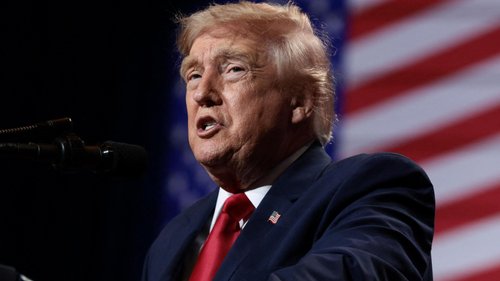
Trump Announces $700 Million Boost for U.S. Coal Industry","description":"President Donald Trump is set to use a Cold‑War‑era defense law to fund new coal plants and revive aging ones, a move that could create 14,000 jobs but faces environmental backlash.","summary":"The Trump administration plans to spend nearly $700 million to support 13 coal‑fired power plants nationwide and build new plants in Alaska and West Virginia. The funding also aims to restart a Maryland plant and modernize a long‑delayed California export terminal. The initiative could create more than 14,000 jobs in coal, construction, rail and maritime sectors. Critics warn it will increase air pollution and electricity bills, while environmental groups decry a shift away from clean energy.","image":"https://dims.apnews.com/dims4/default/fc9a635/2147483647/strip/true/crop/5178x3452+0+0/resize/599x399!/quality/90/","text":"<p><strong>WASHINGTON</strong> – President Donald Trump is poised to revitalize the United States’ coal sector with a fresh $700 million investment, announced on Thursday. The funding will be applied to 13 coal‑fired power plants across the country and support the construction of new plants in Alaska and West Virginia – the first new coal plants since 2013.</p>\n\n<p>The plan will also restart a coal‑fired plant in Maryland and help build a still‑in‑the‑making coal export terminal in Oakland, California. According to a White House official, the initiative could create or support more than 14,000 jobs in the coal, construction, rail and maritime industries.</p>\n\n<p>Trump’s move follows last fall’s announcement of opening 13 million acres of federal land for mining and a $625 million pledge to recommission or modernize coal‑fired power plants. The administration has used a Cold War‑era national defense law to provide emergency orders that keep aging plants running past their scheduled retirement dates.</p>\n\n<p>Energy Secretary Chris Wright explained that the emergency orders help prevent power outages during extreme winter storms. “These senior plants keep the grid stable when temperatures plunge,” the official noted. “We’ve kept them running to avoid blackouts that would otherwise hit the region.”</p>\n\n<p>Environmental groups have slammed the plan. Kit Kennedy, managing director for power at the Natural Resources Defense Council, said, “Propping up coal billionaires with taxpayer money is putting polluters first and endangering the rest of us.” She warned that the decision will drive up electricity bills and degrade air quality.</p>\n\n<p>The move marks a reversal of years of decline in the American coal industry, which once provided more than half of U.S. electricity. According to the Energy Information Administration, coal’s share of U.S. electricity fell to about 15% in 2024, down from roughly 45% in 2010. Natural gas now supplies just over 40% of electricity, with the remainder coming from nuclear, wind, solar and hydropower.</p>\n\n<p>Trump’s administration has also tightened support for renewable projects by freezing offshore wind permits, ending clean‑energy tax credits, and blocking wind and solar developments on federal lands.</p>\n\n<p>While the administration argues the funding will safeguard the grid and stimulate local economies, critics say the prioritization of coal is short‑sighted amid rising global demand for cleaner sources and the inexorable decline of coal exports to China following reciprocal tariffs. The outcome of this initiative will shape the country’s energy mix for years to come.</p>
AP

Trump Announces $700 Million Boost for U.S. Coal Industry","description":"President Donald Trump is set to use a Cold‑War‑era defense law to fund new coal plants and revive aging ones, a move that could create 14,000 jobs but faces environmental backlash.","summary":"The Trump administration plans to spend nearly $700 million to support 13 coal‑fired power plants nationwide and build new plants in Alaska and West Virginia. The funding also aims to restart a Maryland plant and modernize a long‑delayed California export terminal. The initiative could create more than 14,000 jobs in coal, construction, rail and maritime sectors. Critics warn it will increase air pollution and electricity bills, while environmental groups decry a shift away from clean energy.","image":"https://dims.apnews.com/dims4/default/fc9a635/2147483647/strip/true/crop/5178x3452+0+0/resize/599x399!/quality/90/","text":"<p><strong>WASHINGTON</strong> – President Donald Trump is poised to revitalize the United States’ coal sector with a fresh $700 million investment, announced on Thursday. The funding will be applied to 13 coal‑fired power plants across the country and support the construction of new plants in Alaska and West Virginia – the first new coal plants since 2013.</p>\n\n<p>The plan will also restart a coal‑fired plant in Maryland and help build a still‑in‑the‑making coal export terminal in Oakland, California. According to a White House official, the initiative could create or support more than 14,000 jobs in the coal, construction, rail and maritime industries.</p>\n\n<p>Trump’s move follows last fall’s announcement of opening 13 million acres of federal land for mining and a $625 million pledge to recommission or modernize coal‑fired power plants. The administration has used a Cold War‑era national defense law to provide emergency orders that keep aging plants running past their scheduled retirement dates.</p>\n\n<p>Energy Secretary Chris Wright explained that the emergency orders help prevent power outages during extreme winter storms. “These senior plants keep the grid stable when temperatures plunge,” the official noted. “We’ve kept them running to avoid blackouts that would otherwise hit the region.”</p>\n\n<p>Environmental groups have slammed the plan. Kit Kennedy, managing director for power at the Natural Resources Defense Council, said, “Propping up coal billionaires with taxpayer money is putting polluters first and endangering the rest of us.” She warned that the decision will drive up electricity bills and degrade air quality.</p>\n\n<p>The move marks a reversal of years of decline in the American coal industry, which once provided more than half of U.S. electricity. According to the Energy Information Administration, coal’s share of U.S. electricity fell to about 15% in 2024, down from roughly 45% in 2010. Natural gas now supplies just over 40% of electricity, with the remainder coming from nuclear, wind, solar and hydropower.</p>\n\n<p>Trump’s administration has also tightened support for renewable projects by freezing offshore wind permits, ending clean‑energy tax credits, and blocking wind and solar developments on federal lands.</p>\n\n<p>While the administration argues the funding will safeguard the grid and stimulate local economies, critics say the prioritization of coal is short‑sighted amid rising global demand for cleaner sources and the inexorable decline of coal exports to China following reciprocal tariffs. The outcome of this initiative will shape the country’s energy mix for years to come.</p>

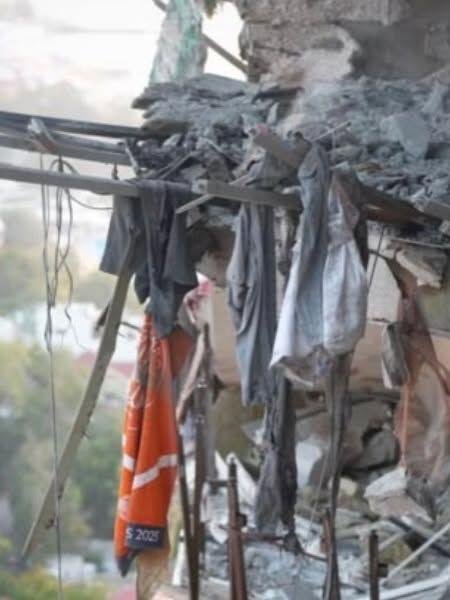
Detroit Caterer’s Weekly Aid Brings Hope to Lebanon’s Refugees","description":"A 47‑year‑old Lebanese American in Dearborn Heights turns her catering business into a lifeline for families displaced by the Israel‑Hezbollah war.","summary":"Catering entrepreneur Mirvet Makki channels her profits to help relatives and friends in southern Lebanon, where war‑torn villages have lost homes and livelihoods. While the U.S. faces cost‑of‑living pressures, Makki’s modest remittances keep the diaspora’s ties strong. Her story illustrates how small businesses become hothouse engines of humanitarian support, and how the Lebanese diaspora in America remains a crucial lifeline for a country in crisis.","image":"<img src=\"https://picsum.photos/id/1074/800/400\" alt=\"Detroit kitchen\" style=\"width:100%;height:auto;\">","text":"<p>Every Wednesday, 47‑year‑old Mirvet Makki leaves a portion of her catering income for people in Lebanon displaced by the Israel‑Hezbollah conflict. In the Detroit suburb of Dearborn Heights, she prepares couscous stews, kibbeh balls and other comfort foods that delight both customers and the families she helps.</p>\n<p>Makki emigrated to Michigan in 1990, but her heart has always been rooted in her childhood village of Bint Jbeil in southern Lebanon, a region severely damaged by the latest round of fighting. The war now has more than a million people displaced—roughly one in six Lebanese residents—killing over 3,500 people and crippling the nation’s economy.</p>\n<p>\"I wondered, ‘What can I do?’ And then I decided to use my business,'\" Makki explains. \"Even with rising costs here, the money that I can spare is spent on keeping my family safe.\"</p>\n<p>Like Makki, many in the Lebanese diaspora wrestle with guilt and helplessness. It is difficult to help loved ones who are stuck, facing a worsening economic crisis but unwilling—or unable—to leave.</p>\n<h2>Strengthening the Diaspora Network</h2>\n<p>Lebanese migration to the U.S. dates back to the late 1800s. Today, roughly 625,000 U.S. residents are Lebanese‑American, yet estimates suggest close to 1.4 million worldwide. The diaspora’s political views echo those at home: opinions on the Lebanese government, Hezbollah, and Israel vary along religious lines.</p>\n<p>Despite those differences, the community thrives on solidarity. In 2024, Lebanese Americans united for the \"<a href=\"https://apnews.com/article/dnc-uncommitted-arab-american-palestinian-gaza-93f9edb25a602c95ee226bd2645e4298\" style=\"color:blue;text-decoration:underline;\">Uncommitted movement</a>\", protesting U.S. support for Israel’s Gaza operations, and countering a Michigan synagogue attack by a Lebanese gunman.</p>\n<p>\"When they see the suffering in Lebanon, people’s first reaction is to rally, raise funds, and help everybody they can,\" says Akram Khater, director of Lebanese Diaspora Studies at North Carolina State University. \"The American citizenship gave them discretion to look beyond Washington for aid.\"</p>\n<h2>Remittances: Lebanon’s Backbone</h2>\n<p>Lebanon’s economy is largely sustained by remittances: the diaspora’s yearly cash flow, often in U.S. dollars, compensates for the local currency’s collapse. A trip to the country in February revealed a stark reality for Makki: a $200 trip that once covered a car rental and a hotel now barely covers a dinner.</p>\n<p>Many Americans prefer to send money directly to family rather than through formal aid agencies. Makki deliberately limits her transfers to $10,000, fearing regulatory scrutiny. \"I might just bring it myself if that’s safer,\" she jokes.</p>\n<p>Similarly, Troy, Michigan native Nadia Bryant has been supporting sisters in temporary housing near Ayta ash‑Shab, a village invaded by Israeli forces. She emphasizes that her sisters use the money to help orphaned children, not to buy a new home. “They are grateful,” she says. “They don’t ask to buy a mattress for themselves; they help those who need one.”</p>\n<p>A recent text exchange shows a sister sending a picture of a teapot amid rubble. Her caption reads, \"Best cup of tea since 9 October 2023.\" Bryant’s focus is rather than a simple check‑in, she asks, \"What does today look like or where are you today?\"</p>\n<h2>Challenges Ahead</h2>\n<p>Despite strong support, the Lebanese community in the U.S. faces obstacles. Immigration policy changes halted the processing of new immigrant visas for Lebanese nationals in late January. \"My aunts and cousins are over there—how many can you bring here?\" Attoui, an activist organizing a Detroit fundraiser, says.</p>\n<p>From kitchens to community halls, Michigan’s Lebanese Americans play a vital role in standing up for their homeland, compiling the chain of support and upholding hope amid ongoing conflict and withdrawal of international aid.\n
AP

Detroit Caterer’s Weekly Aid Brings Hope to Lebanon’s Refugees","description":"A 47‑year‑old Lebanese American in Dearborn Heights turns her catering business into a lifeline for families displaced by the Israel‑Hezbollah war.","summary":"Catering entrepreneur Mirvet Makki channels her profits to help relatives and friends in southern Lebanon, where war‑torn villages have lost homes and livelihoods. While the U.S. faces cost‑of‑living pressures, Makki’s modest remittances keep the diaspora’s ties strong. Her story illustrates how small businesses become hothouse engines of humanitarian support, and how the Lebanese diaspora in America remains a crucial lifeline for a country in crisis.","image":"<img src=\"https://picsum.photos/id/1074/800/400\" alt=\"Detroit kitchen\" style=\"width:100%;height:auto;\">","text":"<p>Every Wednesday, 47‑year‑old Mirvet Makki leaves a portion of her catering income for people in Lebanon displaced by the Israel‑Hezbollah conflict. In the Detroit suburb of Dearborn Heights, she prepares couscous stews, kibbeh balls and other comfort foods that delight both customers and the families she helps.</p>\n<p>Makki emigrated to Michigan in 1990, but her heart has always been rooted in her childhood village of Bint Jbeil in southern Lebanon, a region severely damaged by the latest round of fighting. The war now has more than a million people displaced—roughly one in six Lebanese residents—killing over 3,500 people and crippling the nation’s economy.</p>\n<p>\"I wondered, ‘What can I do?’ And then I decided to use my business,'\" Makki explains. \"Even with rising costs here, the money that I can spare is spent on keeping my family safe.\"</p>\n<p>Like Makki, many in the Lebanese diaspora wrestle with guilt and helplessness. It is difficult to help loved ones who are stuck, facing a worsening economic crisis but unwilling—or unable—to leave.</p>\n<h2>Strengthening the Diaspora Network</h2>\n<p>Lebanese migration to the U.S. dates back to the late 1800s. Today, roughly 625,000 U.S. residents are Lebanese‑American, yet estimates suggest close to 1.4 million worldwide. The diaspora’s political views echo those at home: opinions on the Lebanese government, Hezbollah, and Israel vary along religious lines.</p>\n<p>Despite those differences, the community thrives on solidarity. In 2024, Lebanese Americans united for the \"<a href=\"https://apnews.com/article/dnc-uncommitted-arab-american-palestinian-gaza-93f9edb25a602c95ee226bd2645e4298\" style=\"color:blue;text-decoration:underline;\">Uncommitted movement</a>\", protesting U.S. support for Israel’s Gaza operations, and countering a Michigan synagogue attack by a Lebanese gunman.</p>\n<p>\"When they see the suffering in Lebanon, people’s first reaction is to rally, raise funds, and help everybody they can,\" says Akram Khater, director of Lebanese Diaspora Studies at North Carolina State University. \"The American citizenship gave them discretion to look beyond Washington for aid.\"</p>\n<h2>Remittances: Lebanon’s Backbone</h2>\n<p>Lebanon’s economy is largely sustained by remittances: the diaspora’s yearly cash flow, often in U.S. dollars, compensates for the local currency’s collapse. A trip to the country in February revealed a stark reality for Makki: a $200 trip that once covered a car rental and a hotel now barely covers a dinner.</p>\n<p>Many Americans prefer to send money directly to family rather than through formal aid agencies. Makki deliberately limits her transfers to $10,000, fearing regulatory scrutiny. \"I might just bring it myself if that’s safer,\" she jokes.</p>\n<p>Similarly, Troy, Michigan native Nadia Bryant has been supporting sisters in temporary housing near Ayta ash‑Shab, a village invaded by Israeli forces. She emphasizes that her sisters use the money to help orphaned children, not to buy a new home. “They are grateful,” she says. “They don’t ask to buy a mattress for themselves; they help those who need one.”</p>\n<p>A recent text exchange shows a sister sending a picture of a teapot amid rubble. Her caption reads, \"Best cup of tea since 9 October 2023.\" Bryant’s focus is rather than a simple check‑in, she asks, \"What does today look like or where are you today?\"</p>\n<h2>Challenges Ahead</h2>\n<p>Despite strong support, the Lebanese community in the U.S. faces obstacles. Immigration policy changes halted the processing of new immigrant visas for Lebanese nationals in late January. \"My aunts and cousins are over there—how many can you bring here?\" Attoui, an activist organizing a Detroit fundraiser, says.</p>\n<p>From kitchens to community halls, Michigan’s Lebanese Americans play a vital role in standing up for their homeland, compiling the chain of support and upholding hope amid ongoing conflict and withdrawal of international aid.\n

Chicago Prosecutor Admits Personal Pitch to Grand Jury in Immigration Protest Case","description":"U.S. Attorney Andrew Boutros publicly acknowledges he personally spoke to jurors, a rare admission amid allegations of grand jury misconduct linked to the Trump-era immigration sweep prosecutions.","summary":"In a rare admission, Chicago’s top federal prosecutor Andrew Boutros disclosed that he addressed a grand jury about the immigration protest case. He claimed his remarks were meant to remind jurors of impartiality, yet critics view the action as an overstep. The indictment was later dismissed due to alleged procedural errors, highlighting broader DOJ struggles with grand jury handling.","image":"https://assets.apnews.com/7b/af/5e2193159b829937a1a22ebfa897/2434212dec644fda8854c2025f5ec4d6","text":"<p>In a surprising turn, the U.S. Attorney for the Northern District of Illinois, Andrew Boutros, released a five‑page statement Tuesday admitting he personally spoke to a grand jury in the case that eventually led to the indictment and dismissal of protesters who opposed the Trump administration’s immigration sweeps. The admission marks the first time a federal prosecutor has been candid about such direct contact with a grand jury, a process that is normally shrouded in secrecy.</p> <p>Boutros’s statement includes transcript excerpts in which he says he was “there only to remind jurors of their obligation to be fair and to apply the law impartially.”  However, he also told jurors to “please raise your hand” if they “cannot set aside their personal feelings about immigration or any other case.”  Defense attorneys have called the remarks a chilling reminder that the prosecutor was stepping beyond the traditional bounds of a grand‑jury proceeding.</p> <p>The indictment, handed up on the third try, was eventually dismissed on May 21 after a U.S. District Court judge determined that a former assistant U.S. attorney’s misconduct had tainted the grand‑jury process.  Boutros later told the judge that “no one acted with the intent to mislead.”  Yet the controversy underscores the broader challenges the Justice Department has faced during the second Trump administration.</p> <p>Other cases have revealed similar irregularities.  In Wyoming, a U.S. attorney’s remarks that the accused were “bad guys” and “murderers” led to the dismissal of charges against nine people.  In Nebraska, a federal magistrate judge scolded a Trump loyalist who had helped secure the indictment of former FBI Director James Comey, citing “profound investigative missteps.”  Don Lemon’s case against an independent journalist has also drawn attention due to lawsuits seeking grand‑jury transcripts.</p> <p>Since his appointment in 2025, Boutros has been criticized by Democratic senators Dick Durbin and Tammy Duckworth, who accuse him of “deep internal dysfunction” in his office and have called for his resignation.</p>
AP

Chicago Prosecutor Admits Personal Pitch to Grand Jury in Immigration Protest Case","description":"U.S. Attorney Andrew Boutros publicly acknowledges he personally spoke to jurors, a rare admission amid allegations of grand jury misconduct linked to the Trump-era immigration sweep prosecutions.","summary":"In a rare admission, Chicago’s top federal prosecutor Andrew Boutros disclosed that he addressed a grand jury about the immigration protest case. He claimed his remarks were meant to remind jurors of impartiality, yet critics view the action as an overstep. The indictment was later dismissed due to alleged procedural errors, highlighting broader DOJ struggles with grand jury handling.","image":"https://assets.apnews.com/7b/af/5e2193159b829937a1a22ebfa897/2434212dec644fda8854c2025f5ec4d6","text":"<p>In a surprising turn, the U.S. Attorney for the Northern District of Illinois, Andrew Boutros, released a five‑page statement Tuesday admitting he personally spoke to a grand jury in the case that eventually led to the indictment and dismissal of protesters who opposed the Trump administration’s immigration sweeps. The admission marks the first time a federal prosecutor has been candid about such direct contact with a grand jury, a process that is normally shrouded in secrecy.</p> <p>Boutros’s statement includes transcript excerpts in which he says he was “there only to remind jurors of their obligation to be fair and to apply the law impartially.” However, he also told jurors to “please raise your hand” if they “cannot set aside their personal feelings about immigration or any other case.” Defense attorneys have called the remarks a chilling reminder that the prosecutor was stepping beyond the traditional bounds of a grand‑jury proceeding.</p> <p>The indictment, handed up on the third try, was eventually dismissed on May 21 after a U.S. District Court judge determined that a former assistant U.S. attorney’s misconduct had tainted the grand‑jury process. Boutros later told the judge that “no one acted with the intent to mislead.” Yet the controversy underscores the broader challenges the Justice Department has faced during the second Trump administration.</p> <p>Other cases have revealed similar irregularities. In Wyoming, a U.S. attorney’s remarks that the accused were “bad guys” and “murderers” led to the dismissal of charges against nine people. In Nebraska, a federal magistrate judge scolded a Trump loyalist who had helped secure the indictment of former FBI Director James Comey, citing “profound investigative missteps.” Don Lemon’s case against an independent journalist has also drawn attention due to lawsuits seeking grand‑jury transcripts.</p> <p>Since his appointment in 2025, Boutros has been criticized by Democratic senators Dick Durbin and Tammy Duckworth, who accuse him of “deep internal dysfunction” in his office and have called for his resignation.</p>

Pope Leo XIV’s AI Manifesto Sparks Meme Storm","description":"When Pope Leo XIV called for strict AI regulation, humor hit social media, turning Vatican messages into viral memes and sparking debate about faith and tech.","summary":"Pope Leo XIV released a sweeping manifesto calling for responsible AI development. The pope’s call quickly became fodder for internet memes, with the #PopeLeoAI trend featuring playful videos and jokes. The Vatican’s effort to engage with tech giants was backed by a co‑author from Anthropic. Meanwhile, faith leaders and scholars interpret the pope’s stance as a modern vocal call for moral responsibility in technology.","image":"https://dims.apnews.com/dims4/default/0c2adf4/2147483647/strip/true/crop/4644x3096+0+0/resize/599x399!/quality/90/?url=https%3A%2F%2Fassets.apnews.com%2F09%2F50%2Fd6d54d85acef2b245afb32528215%2F9b934d6605e94cbcb0d692ade798c929","text":"<p>After Pope Leo XIV proclaimed his sweeping manifesto on artificial intelligence, the Vatican’s cautionary tone became a viral meme. An Instagram account with more than 3 million followers posted a video of the pope’s call to \"disarm AI\", captioning it \"Love my woke pope (I’m not even Catholic).\" </p>\n<p>On X, a user riffed with a meme echoing the encyclical, saying: \"The atheism leaving my body the moment the pope starts talking about how AI is an affront to God and the new Tower of Babel.\" The jokes illustrate a generation’s inversion of papal rhetoric: turning grave warnings into joking banter.</p>\n<p>\"People have really been looking for a response to AI,\" says 27‑year‑old Boston comedian Isabel Thurston. \"This is the first time the world’s religious leader is speaking to technology on such a scale.\" </p>\n<p>The announcement came just months after faith leaders and tech CEOs began dialogues in Silicon Valley over AI’s social impact. Pope Leo, a U.S. native, famously wore Nike sneakers during an appearance and quoted Gandalf from Tolkien’s \"Lord of the Rings\" in his encyclical Magnifica Humanitas. The pope’s casual approach has helped him tap into pop‑culture memes while maintaining a serious tone.</p>\n<p>Forty‑two‑thousand words of the encyclical urge \"men and women of goodwill\" to take a hand in building a more humane society. In the video, Leo humorously answered a youth’s request for the silly 6‑7 meme, a basketball‑like joke that made the pope a meme icon. The hilarity continues in his popemobile tours, where he waves to crowds with a grin.</p>\n<p>But the press is not uniformly amused. Some critics question the decision to partner with Anthropic’s co‑founder Christopher Olah, suggesting the pope may be leaning toward tech‑centric solutions. Others believe the pope’s critique of the outdated \"just war\" doctrine reflects a deep shift toward dialogue and forgiveness.</p>\n<p>Besides AI, Leo’s cultural ventures include hosting a Hollywood “World of Cinema” day and even golfing with the Chicago White Sox. He has taken out a custom Knicks jersey bearing \"Pope Leo 14\" as a sign of outreach to American pop culture. This visible blending of theology and entertainment has become a magnet for meme culture.</p>\n<p>Speakers from the Vatican and outside note that the pope’s embrace of cultural fluency may attract lapsed Catholics and resonant voices back to the faith. As Robert Orsi of Northwestern University points out: \"At times I think the language in this encyclical truly mirrors the Declaration of Independence.\" </p>\n<p>Ultimately, Pope Leo XIV is using both memes and ministry to offer a modern, relatable message: faith cannot ignore the digital age, but it can speak guided by human dignity and moral responsibility. The Roman presidency reminds us that the conversation between technology and tradition is only just beginning.</p>
AP

Pope Leo XIV’s AI Manifesto Sparks Meme Storm","description":"When Pope Leo XIV called for strict AI regulation, humor hit social media, turning Vatican messages into viral memes and sparking debate about faith and tech.","summary":"Pope Leo XIV released a sweeping manifesto calling for responsible AI development. The pope’s call quickly became fodder for internet memes, with the #PopeLeoAI trend featuring playful videos and jokes. The Vatican’s effort to engage with tech giants was backed by a co‑author from Anthropic. Meanwhile, faith leaders and scholars interpret the pope’s stance as a modern vocal call for moral responsibility in technology.","image":"https://dims.apnews.com/dims4/default/0c2adf4/2147483647/strip/true/crop/4644x3096+0+0/resize/599x399!/quality/90/?url=https%3A%2F%2Fassets.apnews.com%2F09%2F50%2Fd6d54d85acef2b245afb32528215%2F9b934d6605e94cbcb0d692ade798c929","text":"<p>After Pope Leo XIV proclaimed his sweeping manifesto on artificial intelligence, the Vatican’s cautionary tone became a viral meme. An Instagram account with more than 3 million followers posted a video of the pope’s call to \"disarm AI\", captioning it \"Love my woke pope (I’m not even Catholic).\" </p>\n<p>On X, a user riffed with a meme echoing the encyclical, saying: \"The atheism leaving my body the moment the pope starts talking about how AI is an affront to God and the new Tower of Babel.\" The jokes illustrate a generation’s inversion of papal rhetoric: turning grave warnings into joking banter.</p>\n<p>\"People have really been looking for a response to AI,\" says 27‑year‑old Boston comedian Isabel Thurston. \"This is the first time the world’s religious leader is speaking to technology on such a scale.\" </p>\n<p>The announcement came just months after faith leaders and tech CEOs began dialogues in Silicon Valley over AI’s social impact. Pope Leo, a U.S. native, famously wore Nike sneakers during an appearance and quoted Gandalf from Tolkien’s \"Lord of the Rings\" in his encyclical Magnifica Humanitas. The pope’s casual approach has helped him tap into pop‑culture memes while maintaining a serious tone.</p>\n<p>Forty‑two‑thousand words of the encyclical urge \"men and women of goodwill\" to take a hand in building a more humane society. In the video, Leo humorously answered a youth’s request for the silly 6‑7 meme, a basketball‑like joke that made the pope a meme icon. The hilarity continues in his popemobile tours, where he waves to crowds with a grin.</p>\n<p>But the press is not uniformly amused. Some critics question the decision to partner with Anthropic’s co‑founder Christopher Olah, suggesting the pope may be leaning toward tech‑centric solutions. Others believe the pope’s critique of the outdated \"just war\" doctrine reflects a deep shift toward dialogue and forgiveness.</p>\n<p>Besides AI, Leo’s cultural ventures include hosting a Hollywood “World of Cinema” day and even golfing with the Chicago White Sox. He has taken out a custom Knicks jersey bearing \"Pope Leo 14\" as a sign of outreach to American pop culture. This visible blending of theology and entertainment has become a magnet for meme culture.</p>\n<p>Speakers from the Vatican and outside note that the pope’s embrace of cultural fluency may attract lapsed Catholics and resonant voices back to the faith. As Robert Orsi of Northwestern University points out: \"At times I think the language in this encyclical truly mirrors the Declaration of Independence.\" </p>\n<p>Ultimately, Pope Leo XIV is using both memes and ministry to offer a modern, relatable message: faith cannot ignore the digital age, but it can speak guided by human dignity and moral responsibility. The Roman presidency reminds us that the conversation between technology and tradition is only just beginning.</p>

Ghanaian Mother and Child Detained at U.S. Airport Then Extradited to Ghana","description":"A pregnant Ghanaian woman and her son were held for days in a windowless detention room at Washington Dulles before being ordered deported by a federal judge.","summary":"Annabella Gyasi, 38, and her seven‑year‑old son were arrested at Washington Dulles International Airport after claiming they feared returning to Ghana. The pair suffered two hospitalizations for pregnancy complications and lived in a windowless detention cell. A U.S. District Judge ruled that it was in the best interests of justice for them to return to Ghana, and the attorneys said the U.S. Department of Homeland Security’s treatment was inhumane.","image":"https://dims.apnews.com/dims4/default/7fad3ea/2147483647/strip/true/crop/5615x3743+0+0/resize/599x399!/quality/90/?url=https%3A%2F%2Fassets.apnews.com%2Fe6%2Fa4%2F3e5557ce07217991b82efa1b1aea%2F3eba7085f0e64648bfa4a8cbc5d49bfb","text":"<p>Annabella Gyasi, 38, arrived at Washington Dulles International Airport on May 19 to seek a medical appointment for her son, who was born with severely malformed hands.  While she and her son were in possession of valid tourist visas, immigration officials detoured them after Gyasi reported that she and her child had faced persecution in Ghana and feared returning.  <b>Gyasi’s interview with the officers highlighted her concerns and led to a detention in a windowless cell at the airport.</b></p>\n\n<p>During the detention, the mother was hospitalized twice for pregnancy complications, including vaginal bleeding and high blood pressure.  In the run‑up to a court hearing, lawyer Marah K. Amankwah said the pair had no viable alternatives and ultimately agreed to leave the country.  <b>U.S. District Judge Leonie Brinkema issued an order in early Friday saying, “the welfare of the petitioners and the interests of justice are best served by allowing petitioners to return home immediately.”</b></p>\n\n<p>The Department of Homeland Security asserted that every detainee receives “appropriate care, including medical evaluation by a doctor, medication, and food.”  Civil liberties advocates, however, countered that the couple was repeatedly denied additional food even after stating hunger.  ACLU‑Virginia Executive Director Mary Bauer remarked that while the pair’s release was welcome, “no one should be subjected to the inhumane conditions they endured.”</p>\n\n<p>Gyasi and her son departed for Ghana that evening, and a return flight was scheduled for Friday night, per the order by Judge Brinkema.  The case underscores the plight of travel‑bound migrants who, despite legitimate visas, may still face harsh detainment under the U.S. asylum framework.</p>
AP

Ghanaian Mother and Child Detained at U.S. Airport Then Extradited to Ghana","description":"A pregnant Ghanaian woman and her son were held for days in a windowless detention room at Washington Dulles before being ordered deported by a federal judge.","summary":"Annabella Gyasi, 38, and her seven‑year‑old son were arrested at Washington Dulles International Airport after claiming they feared returning to Ghana. The pair suffered two hospitalizations for pregnancy complications and lived in a windowless detention cell. A U.S. District Judge ruled that it was in the best interests of justice for them to return to Ghana, and the attorneys said the U.S. Department of Homeland Security’s treatment was inhumane.","image":"https://dims.apnews.com/dims4/default/7fad3ea/2147483647/strip/true/crop/5615x3743+0+0/resize/599x399!/quality/90/?url=https%3A%2F%2Fassets.apnews.com%2Fe6%2Fa4%2F3e5557ce07217991b82efa1b1aea%2F3eba7085f0e64648bfa4a8cbc5d49bfb","text":"<p>Annabella Gyasi, 38, arrived at Washington Dulles International Airport on May 19 to seek a medical appointment for her son, who was born with severely malformed hands. While she and her son were in possession of valid tourist visas, immigration officials detoured them after Gyasi reported that she and her child had faced persecution in Ghana and feared returning. <b>Gyasi’s interview with the officers highlighted her concerns and led to a detention in a windowless cell at the airport.</b></p>\n\n<p>During the detention, the mother was hospitalized twice for pregnancy complications, including vaginal bleeding and high blood pressure. In the run‑up to a court hearing, lawyer Marah K. Amankwah said the pair had no viable alternatives and ultimately agreed to leave the country. <b>U.S. District Judge Leonie Brinkema issued an order in early Friday saying, “the welfare of the petitioners and the interests of justice are best served by allowing petitioners to return home immediately.”</b></p>\n\n<p>The Department of Homeland Security asserted that every detainee receives “appropriate care, including medical evaluation by a doctor, medication, and food.” Civil liberties advocates, however, countered that the couple was repeatedly denied additional food even after stating hunger. ACLU‑Virginia Executive Director Mary Bauer remarked that while the pair’s release was welcome, “no one should be subjected to the inhumane conditions they endured.”</p>\n\n<p>Gyasi and her son departed for Ghana that evening, and a return flight was scheduled for Friday night, per the order by Judge Brinkema. The case underscores the plight of travel‑bound migrants who, despite legitimate visas, may still face harsh detainment under the U.S. asylum framework.</p>


Follow us

© 2024 SwissX REDD UK ltd. All Rights Reserved.