
In brief
The removal of around 337 tonnes of hazardous materials from the Union Carbide plant is a long-overdue response to one of the world's most catastrophic industrial disasters that occurred in 1984.
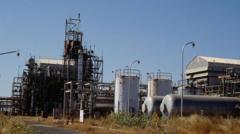
Months of legal and public pressure culminated in the successful extraction of toxic waste from the Bhopal site this week. The operation saw hundreds of tonnes of hazardous materials, including pesticide residues and "forever chemicals," transported securely to a disposal site for treatment. Thousands of lives were lost due to the deadly gas leak four decades ago, leaving a lingering environmental crisis as toxic materials seep into the groundwater in the surrounding areas. This week’s clean-up arrives after an order from the Madhya Pradesh state High Court demanded the prompt removal of the hazardous waste. With the deadline set by the court, the government mobilized resources to securely package and transport the material in leak-proof containers. The operation was executed under heightened security, including police escorts and emergency medical services, to mitigate any risks during transit. Environmental experts had long voiced concerns about the pollution emanating from the factory site. A study indicated that groundwater in 42 residential areas around the factory had been contaminated, highlighting the health risks faced by nearby communities. The toxic waste removal took place following years of inaction and public protests against previous disposal plans. Despite the successful transport of the waste, local activists have raised alarms about the potential impacts of incineration at the new site. Past attempts at handling the waste have left residents apprehensive and suspicious. In 2015, an attempt to incinerate a small quantity of the waste led to further pollution in local water sources, resulting in a strong public outcry. Authorities, however, maintain that the current incineration process includes measures to safeguard against environmental degradation. The Bhopal gas tragedy remains a scar on India’s industrial history, with a death toll disputably ranging from thousands to tens of thousands. Many victims still endure health complications resulting from the incident. While some justice has been served with past convictions, many believe that accountability for the tragedy remains insufficient. As India takes these steps to address the remnants of this disaster, the long-term commitment to public health and environmental safety remains in question. As the incineration process initiates in the coming months, it will be crucial to monitor the outcomes to ensure that history does not repeat itself.
