
In brief
As Marineland Antibes in France permanently closes due to new animal welfare laws, the future of its two killer whales, Wikie and Keijo, remains uncertain. While experts caution against returning these orcas to the wild, campaigns for their relocation to a sanctuary intensify amidst concerns over potential harm from other commercial marine facilities.
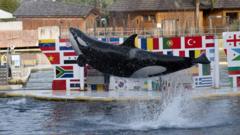
The future of two killer whales hangs in the balance following the unexpected closure of Marineland Antibes, a prominent marine zoo in France, effective January 5. The shutdown, spurred by stringent animal welfare legislation that prohibits marine parks from using dolphins and whales in performances, has led to an intense debate over the welfare and rehoming of orcas Wikie, 23, and her 11-year-old son, Keijo.The French Riviera-based Marineland, touted as Europe’s largest marine zoo, has relied heavily on shows featuring these marine mammals for over 90% of its visitors. Their considerable closure raises ethical questions over the next steps for the whales, as several relocation proposals clash with the views of animal rights activists and marine biologists.Expert opinion holds that releasing Wikie and Keijo into the wild is unfeasible since both orcas were born in captivity, lacking necessary survival skills. Marine biologist Hanne Strager likened such a release to placing a domesticated pet into the wilderness, emphasising that the orcas have built their knowledge and social bonds primarily with humans.Activists are now advocating for a sanctuary option where the whales can live in a designated marine area without the stress of performance mandates. The Whale Sanctuary Project (WSP) proposes an adapted ocean bay in Nova Scotia, where the orcas can thrive in a controlled environment while receiving human support. The organization notes that life there could be the closest equivalent to their natural habitat, a vital concern given the average lifespan of male killer whales is about 30 years and females can live up to 50.However, past proposals to send the orcas to facilities in Japan and Tenerife raised alarms among advocates, who worry about the potential for exploitation in entertainment settings. Campaigners, including World Animal Protection, continue imploring the French government to assist in facilitating a supportive transition for Wikie and Keijo instead of relocating them to another entertainment-focused captivity.The closing of Marineland Antibes marks a significant moment in an ongoing struggle concerning marine animal welfare. Celebrities like Pamela Anderson have publicly pushed for this shift in practices, arguing against the ethical implications of keeping marine creatures in captivity. This latest development underscores the broader movement towards better treatment and understanding of marine life, as society grapples with the responsibilities we hold toward these intelligent animals.As the narrative unfolds, the orcas' fate serves as a poignant reminder of the complexities in balancing animal welfare, public entertainment, and wildlife conservation—a tale that resonates beyond the confines of Marineland.

