
In brief
Salehi, an outspoken critic of state authority, faced charges for promoting anti-government sentiments and was imprisoned for nearly two years.
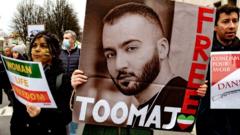
Toomaj Salehi, the Iranian rapper known for his bold criticism of the regime, has been released from prison following the overturning of his death sentence. Salehi, 34, was arrested in October 2022 amid the widespread protests sparked by the death of Mahsa Amini, a young woman who died in police custody, allegedly for wearing her hijab improperly. His situation garnered international attention, culminating in a Supreme Court ruling that resulted in a death sentence in April 2024 for "corruption on earth." However, this sentence was overturned in June, and Salehi completed a one-year sentence for propaganda activities against the state, as confirmed by Iran's judiciary-run Mizan news agency. Before his arrest, Salehi faced a concert ban due to his provocative lyrics promoting social justice and freedom. After a brief period of bail, he was rearrested for sharing alleged torture experiences, which included claims of mistreatment by intelligence ministry agents. His criminal charges ranged from spreading misinformation online to inciting public disorder, highlighting the risks faced by artists in Iran who dare to speak out. The campaign group Index on Censorship expressed relief at Salehi's release, emphasizing that he should never have faced imprisonment. Salehi's arrest came at a tumultuous time in Iran, reflecting the intense crackdowns on dissent that followed Amini’s death and the subsequent nationwide outcry. With hundreds losing their lives and thousands imprisoned during the protests, Salehi's narrative typifies the broader struggle for freedom of expression and human rights in the country.
