
In brief
The murder of healthcare CEO Brian Thompson has ignited a disturbing cult-like following for the alleged shooter, Luigi Mangione. Social media platforms are buzzing with praise for Mangione, reflecting growing anger with the U.S. healthcare system. As these sentiments evolve into a dangerous trend of idolization, observers warn of the implications for societal norms and political violence.
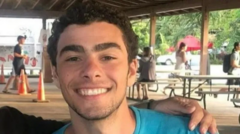
In a curious and disturbing display, a lookalike contest for the murder suspect of UnitedHealthcare CEO Brian Thompson recently took place in New York City's Washington Square Park. Participants, primarily young men sporting hoodies and masks, gathered for the now-infamous event just days after Thompson was shot dead in an incident that has become a focal point for outrage against the private healthcare sector. According to journalist Talia Jane, who was present, the contest highlighted a troubling obsession with suspect Luigi Mangione, who is quickly transforming into a folk hero for some.This fixation can be traced back to the existing frustration over the U.S. healthcare system, which has left many feeling vulnerable and underserved. Jane noted that this atmosphere of discontent served to amplify the public's reaction to the murder, which occurred on December 4. "There was a lot of tinder already there... and this sort of threw a match on it," she commented.Mangione, a 26-year-old member of an affluent Baltimore family and Ivy League graduate, has been presented in an idealized light across various social media platforms. TikTok, Spotify playlists, and even Etsy shops have glorified him, leading to a surge of troubling admiration. When the suspect was apprehended, a torrent of support flooded in, ranging from hashtags like #FreeLuigi to an upsurge in pro-Mangione merchandise, despite retail efforts to withdraw such items.Critics including Pennsylvania Governor Josh Shapiro have condemned this trend of vigilante justice, warning that glorifying violence only serves to undermine societal safety. "In a civil society, we are all less safe when ideologues engage in vigilante justice," Shapiro remarked. The narrative surrounding Mangione took on an especially unsettling tone, as social media platforms buzzed with comments focused more on his attractive appearance rather than the moral implications of his alleged actions. Cultural critics argue that this fixation sheds light on a broader societal issue concerning the idolization of good-looking criminals. Professor Tanya Horeck noted that social media has obscured the lines between celebrity and criminality, allowing for a focus on physical attraction rather than the gravity of the crime.Notably, Mangione’s supposed motivation against corporate elites and private healthcare remains a key factor fueling online support. Reports indicate he was apprehended with a handwritten note suggesting revenge against the healthcare industry, which may have struck a deep chord with many Americans struggling with insurance issues. The hashtag #EatTheRich trended, reflecting a collective sense of disenchantment with corporate practices. Alex Goldenberg from the Network Contagion Research Institute remarked that the digital discourse surrounding the case represents a paradigm shift, potentially normalizing political violence and drawing parallels to the toxic posturing often found in fringe corners of the internet.Evidence suggests that this online fervor is organic, driven by genuine frustrations from patients who feel wronged by the healthcare industry. Recent research highlights that a significant percentage of insured individuals have faced unexpected costs or denied care, further stoking resentment and anger.However, amidst the online vitriol, the human cost of the incident remains largely overlooked. Friends and colleagues of Brian Thompson, who is remembered as a compassionate and driven leader, are left grappling with the tragedy of his loss. Messages from within his company mourn his death while insisting on the urgent need for dialogue on healthcare reform, which remains overshadowed by sensationalized online narratives.The chilling allure of the suspect, coupled with the horrific act of violence, presents a complicated look at societal responses to an increasingly broken healthcare system. As discussions continue online and offline, advocates stress the necessity of addressing these frustrations without resorting to idolization or glorification of criminal acts. "We must prioritize understanding the complexities of both the healthcare system and the tragic outcomes it can produce," commented activist Jenn Coffey, acknowledging the imperative for constructive discourse.

