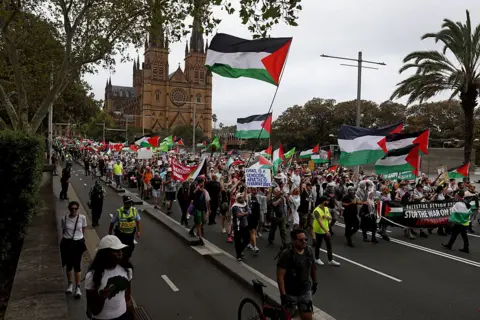
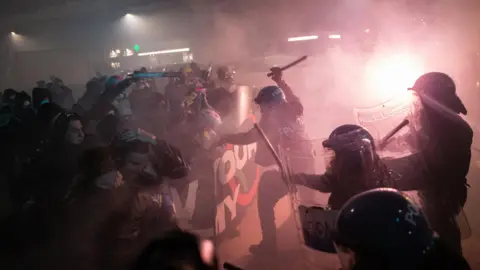
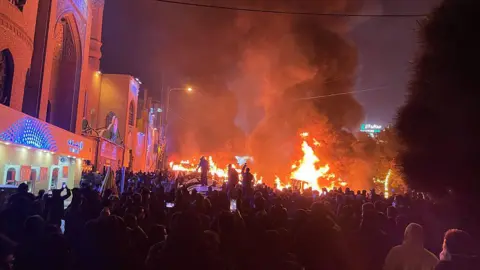
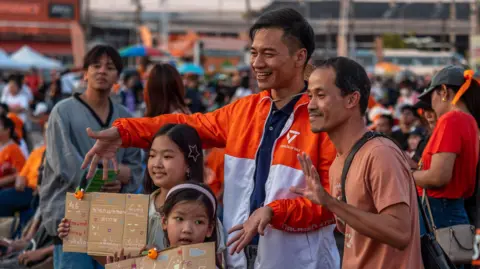
As Daniel Chapo prepares to be inaugurated as Mozambique's president on Wednesday, the country stands at a crossroads marked by widespread discontent and turmoil. The recent elections, held in October, have been marred by allegations of fraud, drawing criticisms from voters, international observers, and opposition leaders alike. These events have triggered nearly three months of protests, escalating to brutal clashes with police, resulting in over 300 fatalities. The atmosphere in the capital, Maputo, is charged as people gather to express their dissent against the ruling party, Frelimo, which has dominated Mozambique’s political landscape for 50 years.
Once celebrated as a beacon of hope against colonial oppression, Frelimo now grapples with an unprecedented level of dissatisfaction among the populace. The opposition parties, disillusioned by the electoral process, have taken drastic steps, including boycotting the opening of Parliament. Observers anticipate that the challenges for Chapo and his administration may only deepen as the nation grapples with pressing economic issues alongside political unrest.
In light of these tensions, Chapo, who will officially take office amidst the chaos, seems to face an uphill battle—not only to consolidate his governance but also to achieve any sense of reconciliation within a deeply divided society. Political analysts warn that the prevailing sentiments of resentment could have profound implications for both Frelimo's leadership and the overall stability of Mozambique as it navigates through this critical juncture.
Once celebrated as a beacon of hope against colonial oppression, Frelimo now grapples with an unprecedented level of dissatisfaction among the populace. The opposition parties, disillusioned by the electoral process, have taken drastic steps, including boycotting the opening of Parliament. Observers anticipate that the challenges for Chapo and his administration may only deepen as the nation grapples with pressing economic issues alongside political unrest.
In light of these tensions, Chapo, who will officially take office amidst the chaos, seems to face an uphill battle—not only to consolidate his governance but also to achieve any sense of reconciliation within a deeply divided society. Political analysts warn that the prevailing sentiments of resentment could have profound implications for both Frelimo's leadership and the overall stability of Mozambique as it navigates through this critical juncture.