In brief
With an increasing number of consumers seeking healthier lifestyles and the advancement of production techniques, France's wine industry is witnessing a notable pivot towards alcohol-free options. While once unthinkable, winemakers are now embracing this trend, reflecting a cultural shift in the long-standing tradition of wine consumption.
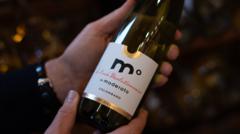
In the esteemed vineyards of Bordeaux, a surprising transformation is underfoot: the emergence of alcohol-free wine. Once deemed a heretical concept, the notion of producing wine without alcohol has taken root, fueled by scientific advancements and shifting economic circumstances. Winemakers who would have previously resisted the idea are now openly engaging with the concept of de-alcoholized bottles, marking a significant shift in industry perceptions.As Bordeaux oenologist Frédéric Brochet remarks, "When we started a few years ago, what we were making was frankly rubbish." However, with the launch of the Moderato range, Brochet emphasizes the remarkable improvements that have been made. As he forecasts, this innovation may lead to a revolution within the wine sector.Indeed, Bordeaux has recently seen its first wine shop entirely dedicated to alcohol-free wines, signaling a burgeoning acceptance of this trend among winemakers. Alexandre Kettaneh, proprietor of Les Belles Grappes, reports a swift influx of interest from local wine growers eager to learn more about this lucrative market.Three key factors are contributing to this momentum. Firstly, the French wine industry is grappling with significant challenges as consumption continues to decline, particularly on home soil. This downturn is exacerbated by external pressures, such as impending tariffs from the United States. Furthermore, the younger generation exhibits markedly different consumption habits, with more opting for healthier drinks and bypassing traditional wine altogether.Additionally, advancements in technology have enhanced the quality of alcohol-free wines. Previously, the process involved boiling away the alcohol and adding flavors, resulting in subpar products that could not even be classified as wine. Contemporary methods involve low-temperature vacuum distillation and aroma-capturing techniques, enabling producers to craft beverages that meet the wine classification and appealing to discerning customers.While these no-alcohol options can't yet mimic the complete mouthfeel of traditional wines, they offer a genuine wine experience complete with bouquet, tannins, and balance. At the Clos De Bouard estate, a third of total sales now comprise its non-alcoholic offerings, a significant change for owner Coralie de Bouard, who notes that her initial venture into this market almost cost her familial relationships.Despite pushback from traditionalists, who accuse her of undermining the wine industry, her father has since shifted his stance, recognizing the necessity of evolving to meet modern consumer preferences. As fellow wine-grower Bernard Rabouy notes, "We have to evolve... the customers aren't where they used to be."Proponents of alcohol-free wine emphasize its inclusivity, allowing non-drinkers to partake in the wine culture without feeling marginalized. Anne Kattaneh highlights the desire to revive the communal spirit of French dining, where wine is integral to social connection.Ultimately, the evolving landscape of the wine industry underscores a crucial narrative about adaptability. Oenologist Brochet articulates this well: "Things evolve. Once upon a time, the barrel was an innovation... And now this is a new one – which could help save the industry and the wonderful landscape and culture that goes with it." The future of wine in France may very well lie in embracing these innovations.