
In brief
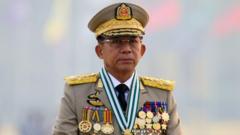
As Myanmar's leader Min Aung Hlaing arrives in Thailand for a regional summit, the country grapples with the devastating aftermath of a recent earthquake that has killed over 3,000 people and injured thousands more. The tremors, which struck central Myanmar last Friday, have left cities in ruins, and many affected areas are still unreachable, leaving the true extent of the disaster still unknown.
Hlaing's presence in Bangkok has sparked controversy, given that leaders under sanctions are typically barred from attending such international events. Despite this, the summit will convene leaders from several nations bordering the Bay of Bengal, including India, Bangladesh, and Nepal, with Thailand suggesting the drafting of a joint statement to address the crisis. The need for a coordinated response is urgent as the earthquake's impact has exacerbated Myanmar's existing humanitarian challenges amidst a prolonged civil war.In an attempt to facilitate relief efforts, the junta declared a temporary ceasefire but faced criticism for its prior refusal of aid coordination with ethnic armed groups. Battles have persisted even during relief operations, including an alarming incident where military troops fired on a Chinese Red Cross convoy. As the international community rallies support, humanitarian organizations are urging authorities to ensure unrestricted aid access, especially with the impending monsoon season threatening further complications.As the situation develops, the world watches closely, hoping that the devastation spurred by the earthquake may lead to a more significant dialogue around humanitarian aid and conflict resolution in Myanmar.
