In brief
Northern Queensland is grappling with significant devastation following record floods, as Premier David Crisafulli reports on the situation. While some residents are returning home, many areas remain without power and face extensive damage. Experts warn of the increasing severity of weather events due to climate change.
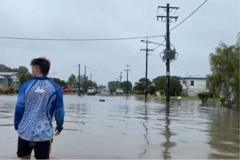
Flooding has wreaked havoc across northern Queensland, with state premier David Crisafulli labeling the destruction as "incredible." Although forecasts had suggested catastrophic flooding could threaten thousands of homes, residents in Townsville awoke to a much less severe outcome than anticipated. However, the recovery process from the torrential rains that delivered nearly 2 meters (6.5 feet) of rainfall since the weekend remains daunting.On Tuesday, communities began returning home after evacuations, but reports indicate that numerous properties and businesses have been severely affected, with one fatality linked to the floods. "This disaster is going to test the resolve of people," Premier Crisafulli warned, speaking to local media. Conditions have improved in Townsville, where officials noted, "the danger has passed." Local chair of the disaster management group, Andrew Robinson, echoed this sentiment, stating that earlier assessments had feared many homes would face inundation. Townsville resident Jo Berry shared her relief, recounting sleepless nights of monitoring the rainfall, and reflected on the emotional toll such disasters have on locals.Further north, however, areas like Ingham are still reeling from the impacts, experiencing power outages and damaged infrastructure, which hinder full damage assessments. Crisafulli highlighted that Ingham, which remains largely without electricity, faces the greatest challenges in recovery. The floods have devastated homes, farms, and local businesses, with local leaders expressing shock at the extent of inundation visible in their communities.Recovery efforts may take weeks, compounded by damage to critical roadways and ongoing power outages affecting more than 8,000 properties across the region. Premier Crisafulli stated that immediate priorities include collaborating with military forces to deploy power generators and restore services to isolated communities. Federal funding is being sought to address infrastructure damage, particularly to the crucial Bruce Highway, the main road linking various parts of the state.Climate experts are weighing in on the situation, with Scott Heron from James Cook University cautioning that increasingly extreme weather patterns must inform future planning and reconstruction efforts. The message resonates powerfully as northern Queensland grapples with the realities of living in a region vulnerable to severe climatic events.