In brief
As the UN visits the devastated town of El Geneina, survivors recount atrocities and famine, revealing the dire humanitarian crisis fueled by conflict between rival factions and ethnic cleansing.
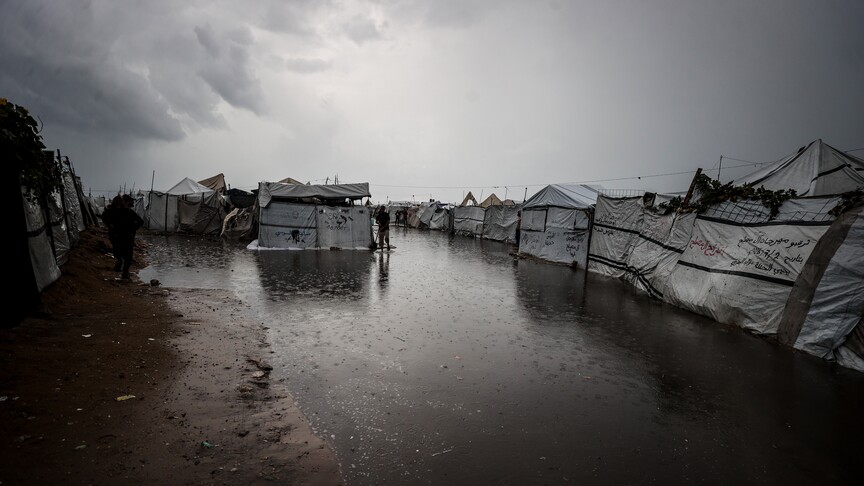
In the abandoned outskirts of El Geneina, the haunting remnants of destruction paint a grim picture of life in Sudan's war-torn West Darfur region. Condemned buildings rife with bullet holes testify to the violence, with charred structures and wrecked doors signaling the horrors that took place just a year ago. The charred atmosphere hangs heavy as Tom Fletcher, the UN’s new relief chief, experiences these ghostly scenes for the first time since the outbreak of war 19 months ago.Describing Darfur as “facing the worst of the worst,” Fletcher confronts the severe crises of protection, famine, and rampant sexual violence affecting the area. His visit, facilitated by complicated negotiations with both the Sudanese Armed Forces (SAF) and the paramilitary Rapid Support Forces (RSF), exposes the calamity faced by residents caught in a conflict described by human rights groups as ethnic cleansing and possible genocide.The RSF fighters, who along with allied militias launched brutal assaults against the non-Arab Musalit community in El Geneina last year, are reported to have killed thousands in a widespread campaign of violence. The Sudanese army faces scrutiny for the civilian casualties resulting from airstrikes and artillery, escalating accusations of complicity and negligence among rival factions.While journalists have struggled to document the crises within El Geneina, the UN’s visit finally allowed civilians to voice their suffering. Testimonies from refugees across the Chad border depicted unspeakable horrors, with families torn apart and lives lost in the chaos. A 14-year-old girl shared her story of survival amidst chaos, recounting how her family was forced to hide during the day and traverse deadly paths at night, witnessing the murder of family members.Once thriving in agricultural abundance, the people of El Geneina now face dire hunger, having lost their means of sustenance in the upheaval. “When the war began, we couldn’t farm, and the animals ate our crops, so we were left with nothing,” lamented one woman, echoing the grim fate of many.In the Al-Riyadh displacement camp, Fletcher engaged with displaced individuals, who voiced their yearning for assistance amid their struggles. The camp, initially established in 2003 amidst earlier conflicts in Darfur, remains a stark reminder of the region's enduring plight. Elders demanded urgent support, from nutrition for malnourished families to educational provisions for children.Fletcher acknowledged the profound agony these individuals endure and reaffirmed his commitment to provide assistance, but the stark reality remains that NGOs face overwhelming challenges in accessing the area. Many agencies operate without UN support, raising fears that the urgent needs of the situation are being overlooked amid global distractions.As Fletcher’s visit concludes, the humanitarian community grapples with the intimidating crisis overshadowing Sudan, compounded by geopolitical interests threatening peace efforts. With calls for increased global awareness and action, many await bold moves to alleviate the suffering of the people caught in one of the world’s most dire humanitarian tragedies.