
In brief
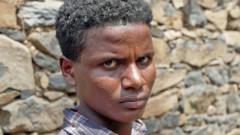
At just 16, Berhane Haile lost his leg to a landmine in Ethiopia’s Tigray region, a tragic reminder of the ongoing dangers following a devastating civil war. While he rebuilds his life with the help of community support and a new prosthesis, many in the area continue to face the perils of discarded explosive remnants.
Berhane Haile's life transformed forever earlier this year while walking home from school through the mountainous terrain of Tigray, northern Ethiopia. The 16-year-old stepped on an explosive ordnance that shattered his left leg, causing severe injuries. "The explosion threw me backwards. There was blood everywhere. People heard the sound and came rushing," he recounted to BBC World Service.Berhane faced an agonizing, two-hour trek on foot to Adwa—the nearest town with medical facilities—carried by his distraught father and other villagers. The doctors managed to save his life, but they had to amputate what remained of his leg. Explosive remnants from the region's civil war, which ended in November 2022, remain a rampant danger across rural communities like Berhane’s in Seyabo, where unexploded weapons left behind by combatants are common.The civil war, marked by a struggle between Ethiopian and Eritrean troops and local Tigrayan forces, created a humanitarian crisis that tragically claimed the lives of up to half a million people, according to estimates by the African Union. Despite the peace deal, the remnants of warfare continue to affect the innocent—children like Berhane.On the fateful day, he had deviated from the typical path to check on his family’s livestock, inadvertently stepping onto the ordnance. The Red Cross has reported nearly 400 cases of people injured by such unexploded ordnances since 2023, with children making up a significant portion of the victims.Nigsti Gidey, a widow whose husband fell victim to similar explosive remnants, lamented, "Ordnances are everywhere." Efforts to remove these hazards have been insufficient, as local officials struggle with limited resources for conducting thorough sweeps. Moreover, collected ordnance is often stored poorly, raising fears of accidental detonations.As Berhane recuperated, he returned to school, aided by a prosthetic leg and crutch provided by a humanitarian organization. The journey he once completed in 20 minutes now requires an arduous hour, forcing him to move to Adwa with his sister, away from Seyabo. Nevertheless, Berhane is determined to continue his education and aspires to become a civil servant, despite the challenges posed by his disabilities and the ongoing economic hardship affecting his family.Reflecting on his situation, Berhane shared, "I have mixed feelings... Sometimes I get angry, but other times I realize I am still alive and feel grateful." With the support of new friends who assist him with writing in class due to injuries that affect his fingers, his resolve to move forward remains steadfast.Though the echoes of gunfire have faded from the mountains, the impact of the war lingers on, with families like Berhane's striving to rebuild their lives amid ongoing threats from a conflict that still casts a long shadow over the land.
