In brief
Tropical Storm Sara's torrential rains have led to widespread flooding in Honduras, cutting off more than 1,700 communities and causing significant destruction.
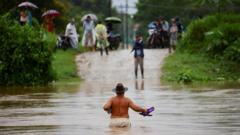
Tropical Storm Sara, forming in the Caribbean Sea, wreaked havoc across Honduras as it unleashed relentless rainfall, cutting off thousands of communities and leading to alarming damage throughout the region. Recorded observations indicate that more than 110,000 individuals have been impacted by the storm, amidst efforts from government officials to manage the crisis. Although only one fatality has been confirmed thus far, the destruction speaks volumes about the storm’s intensity.As forecasters predict that Sara will weaken while moving over Quintana Roo in southern Mexico, the damage inflicted appears overwhelming. Over the past few days, Honduras has faced severe flooding due to Sara's slow movement, resulting in rivers overflowing their banks, in some cases requiring residents to swim across. The storm has dumped upwards of 500mm (about 19.7 inches) of rain on certain areas, contributing to substantial flooding and infrastructure failures.Emergency services reported the devastation of nine bridges, along with 19 others suffering damage from the rushing waters. In particular, strong currents in the Bermejo River led to the destruction of a bridge in San Pedro Sula. Many highways suffered the consequences of landslides, rendering them impassable and complicating rescue efforts.Honduran President Xiomara Castro adequately warned citizens living near rivers to evacuate in advance as a precautionary measure. Thousands adhered to her advice, relocating to safer areas, but challenges remain as rescue teams continue their efforts to provide aid to those stranded within the affected regions.Reports indicate that more than 2,500 homes sustained damage and over 200 were completely destroyed. This situation marks the 18th named storm of the Atlantic hurricane season this year and the third to significantly impact the region in the month of October alone. Less than two weeks prior, Hurricane Rafael created a nationwide blackout in Cuba, showcasing the heightened storm activity this year.Meteorologists attribute these increasingly severe storms to rising sea surface temperatures, with climate experts warning that human-driven climate change is exacerbating the intensity and frequency of such natural disasters. Kevin Trenberth, a notable scholar at the National Center for Atmospheric Research, highlighted the alarming trend, stating that climate change is intensifying storms, elevating the risks of severe damage across affected areas. The situation remains precarious as local authorities and communities continue to grapple with the aftermath of this latest weather crisis.