
In brief
Experts argue that while no single severe weather event can be definitively linked to climate change, the recent floods in Spain were exacerbated by rising global temperatures. Enhanced atmospheric moisture and changing weather patterns result in increasingly destructive storms, showcasing the urgent need for improved infrastructure and predictive technology.
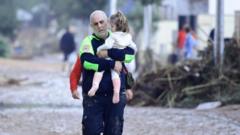
Catastrophic flooding in Spain has raised alarm among scientists, who indicate that climate change has played a pivotal role in intensifying the severity of these extreme weather events. Dr. Friederike Otto, from Imperial College London, explained that while it's challenging to attribute a particular disaster to climate change, the probability and intensity of such events have undoubtedly increased. "No doubt about it, these explosive downpours were intensified by climate change," she asserted, noting that warmer temperatures allow the atmosphere to hold more moisture, leading to heavier rainfall. This particular outbreak of severe weather was linked to a phenomenon known as "gota fría," or cold drop, which typically occurs in Spain during the autumn and winter months. The recent unusually high temperatures of the Mediterranean Sea have intensified this event, leading to rapidly rising warm, moist air, which then rapidly condenses into towering storm clouds that unleash torrents of rainfall.According to researchers, climate change has already contributed to a 7% increase in rainfall for every degree Celsius of warming. The excessive rainfall has impacted soils that are often unable to absorb large quantities of water, sometimes due to prolonged dry periods that "bake" the earth hard. Prof. Mark Smith from the University of Leeds stated that this hindered soil absorption further amplifies the adverse effects of heavy rainfall and ultimately floods, as more water flows into already strained river systems.The recent pattern of flooding is reminiscent of Storm Boris, which wreaked havoc across Central Europe and was also linked to heightened Mediterranean heat, with scientists suggesting climate change could make such storms up to twice as likely. Despite the destructive nature of these storms, the Spanish population's preparedness has drawn criticism due to insufficient warning systems, which left many vulnerable when floods hit suddenly.Dr. Linda Speight from the University of Oxford highlighted the complexities of forecasting intense thunderstorms, explaining that predicting their exact trajectory and intensity can be exceedingly challenging. "Warnings can be a lifesaver in helping people to seek higher ground and safety before a flood,” she remarked, yet emphasized that pinpointing the location of the heaviest rainfalls remains an unsolved dilemma as evolving climate patterns complicate predictive models.The inundation illustrated severe shortcomings in modern infrastructure, which many experts argue is outdated in the context of today’s climate realities. Flooded roads and sweep-away bridges have demonstrated that urban planning has yet to adapt to increasingly frequent extreme weather occurrences, underscoring the urgent need for improved systems and innovative warning solutions that can keep pace with the changing climate landscape.