
In brief
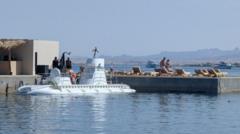
In the early hours of Thursday, a tourist submarine sank off the coast of Hurghada, Egypt, leading to six fatalities and several injuries among the 45 passengers onboard, raising questions about safety protocols in tourist operations.
The tourist submarine, known as Sindbad, was reported to have sunk approximately one kilometer from Hurghada's coast, a popular destination for travelers attracted by its stunning coral reefs. According to Egypt's Red Sea governor, Amr Hanafy, six individuals perished in the incident, all of whom were tourists from Russia, including two children. Among the rescued, 39 people were retrieved; nine suffered injuries, with four reported to be in critical condition, following the unexpected sinking around 10:00 local time.Passengers included individuals from various countries, such as India, Norway, Sweden, and five Egyptians. Initial investigations suggest that the submarine was operating under a valid license and that the crew was appropriately certified. However, the cause of the sinking remains uncertain, with authorities actively probing the circumstances. The Sindbad submarine was part of a fleet offering excursions to explore the marine wonders of the Red Sea. Past passengers recounted varying experiences aboard the vessel, some highlighting concerns over safety procedures and operational practices. In light of this tragedy, scrutiny over the safety records of tourist vessels in the Red Sea has intensified. Earlier instances of maritime accidents in the region have already prompted discussions about the adequacy of safety regulations, as illustrated by a November incident involving a tourist boat that resulted in multiple fatalities. As investigations continue, the focus will shift towards ensuring the safety of tourist operations in this vibrant but perilous environment, which draws millions of visitors seeking adventure below the waves.
