
In brief
An investigation by the Truth and Reconciliation Commission has uncovered systemic failures and human rights violations in the adoption process that saw over 170,000 children sent abroad.
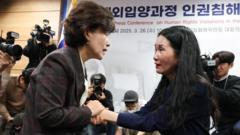
In a shocking revelation, a recent inquiry by South Korea's Truth and Reconciliation Commission has found that between the 1950s and the late 1990s, the country engaged in the controversial practice of mass exporting children for adoption, involving at least 170,000 children. The report highlights numerous human rights violations, including fraud, coercion, and falsifying documents by private agencies profiting from facilitating these adoptions. This historic investigation was launched in 2022 and has learned that South Korea has sent more children abroad for adoption than any other nation, primarily to Western countries. The chairperson of the commission, Park Sun-young, expressed deep regret for the dark chapter in South Korea’s history, stating, "While many adoptees were fortunate to grow up in loving families, others suffered great hardship and trauma due to flawed adoption processes."As the commission's work continues, some 367 adoptees have alleged fraud in their adoption journeys. Of these, 56 individuals have so far been recognized as victims of human rights violations, with further cases under examination. The report emphasizes a lack of oversight from the government allowed private agencies to exploit the adoption process, turning it into what the report calls a "profit-driven industry" where inadequate screening of adoptive parents prevailed.Following the fallout from the Korean War, South Korea sought to address the burgeoning poverty that prevented many families from keeping children, leading to the establishment of this transnational adoption program. However, with agencies required to meet foreign demands for children, the systemic failures in oversight created a "mass exportation" of vulnerable children.As part of the report, the commission has recommended an official government apology and adherence to international standards regarding adoption, marking a significant step towards accountability. South Korea has begun to tighten its adoption processes; as of 2023, all overseas adoptions will transition to be managed by government entities, a move anticipated to enhance regulation by mid-year.Among the adoptees is Inger-Tone Ueland Shin, who was adopted illegally by a Norwegian couple at age 13. Her harrowing account includes allegations of abuse and the emotional toll of adjusting to life in a foreign country. "They took better care of the dog than they ever did of me," she recounted, expressing feelings of abandonment and trauma. In a recent victory for recognition, she won a lawsuit against her local government in Norway, receiving acknowledgment of systemic failings, though she remains haunted by her past.The South Korean government has yet to officially respond to the commission's findings, leaving many with lingering questions and unresolved pain regarding their adoption experiences. The inquiry, set to conclude in May, aims to continue uncovering the depth of injustices within the adoption system and provide a clearer path for healing and reparations for those affected.

