
In brief
In a recent press conference, Vladimir Putin acknowledged Ukraine's proposed ceasefire, yet outlined stringent conditions that reflect continued skepticism about peace negotiations. Ukraine's response emphasizes the divide in both parties’ stances, with ongoing discussions of sanctions and military strategy influencing the conflict’s trajectory.
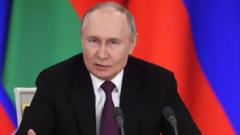
Russian President Vladimir Putin has publicly acknowledged the idea of a ceasefire in Ukraine, asserting that while he supports the initiative, there are numerous conditions and "questions" that must be addressed before any agreement can be reached. This statement comes after Ukraine's acceptance of a proposed 30-day ceasefire following negotiations with the United States, which Ukrainian President Volodymyr Zelensky condemned as manipulative, advocating instead for tougher sanctions against Russia.During a press conference held in Moscow, Putin commented on the ceasefire proposal, saying, “The idea is right - and we support it - but there are questions that we need to discuss.” He emphasized that any ceasefire must lead to a lasting peace and tackle the fundamental issues causing the conflict. He expressed necessity for further negotiations with American officials, even suggesting a potential conversation with former President Donald Trump.Putin also pointed to the contentious Kursk region, claiming full Russian control following Ukraine's earlier military operations that had seized territory there. He stated, “They are trying to leave, but we are in control. Their equipment has been abandoned.” He further warned of two outcomes for the Ukrainian forces in the area: “surrender or die.”With a cautious approach, Putin raised several issues regarding the terms of the ceasefire, such as its intended use during the 30-day period, concerns of Ukrainian military mobilization, and the complexities of enforcing the agreement across the lengthy front lines. He questioned, "Who will give the order to end the fighting? At what cost? Who decides who has broken any possible ceasefire?”Zelensky responded to Putin's remarks by stating he believes the Russian leader is indirectly preparing to reject the ceasefire, highlighting the vast discrepancies between the two nations' positions. Ukraine proposes a two-stage process that begins with an immediate ceasefire, followed by discussions for a long-term resolution. In contrast, Russia insists that both phases must be interconnected and resolved in a single negotiation.This ongoing impasse may complicate Trump's desire for a swift conclusion to the conflict. In recent remarks at the White House, Trump expressed hope that Russia would agree to the proposed ceasefire and reiterated that discussions about territorial concessions with Ukraine were already in progress. In the wake of Putin’s comments, the US has imposed additional sanctions targeting Russian oil, gas, and banking sectors, further straining the relations between the two countries. Meanwhile, as war casualties mount—estimated at over 95,000 Russian military personnel lost—Putin recently donned military attire during a visit to the strategically significant Kursk region, reinforcing his military positioning amidst the complex diplomatic landscape.
