
In brief
In a significant escalation of tensions between Slovakia and Ukraine, Slovak Prime Minister Robert Fico has proposed reducing financial support for the over 130,000 Ukrainian refugees residing in Slovakia. This development follows Ukraine's recent closure of a key gas pipeline that has historically supplied Central Europe with Russian natural gas, leading to significant projected losses for Slovakia in transit fees.
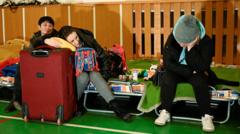
On January 1, Ukraine halted gas flows through a major pipeline that has been pivotal for the region, and Slovakia is preparing for possible repercussions. Fico characterized Ukraine's actions as "sabotage," asserting that the closure would result in Slovakia missing out on approximately 500 million euros (about $518 million) in transit revenues. While Fico insists that Slovakia's energy security remains stable with alternative arrangements in place, he has voiced intentions to halt electricity exports to Ukraine alongside reducing financial support for those fleeing the conflict. The United Nations refugee agency (UNHCR) estimates that there are currently around 130,530 Ukrainian refugees in Slovakia, a figure that highlights the significant humanitarian aspect of this crisis. The Slovak Prime Minister's earlier diplomatic overtures to Russia, including a controversial visit to Moscow in December, have drawn criticism, with Ukrainian President Volodymyr Zelensky accusing Fico of aiding Russia's war efforts. In response to any potential cuts in Slovakia's electricity supplies to Ukraine, neighboring Poland has signaled its readiness to support Kyiv, describing the situation as a strategic win for efforts against Moscow. Additionally, the European Commission reassured that the EU is prepared to handle the shifting energy landscape, suggesting that most member states should be able to cope with Slovakia's potential actions. As the region grapples with the evolving energy crisis, the continuing war in Ukraine will undoubtedly shape the future of refugee support and international relations within Central Europe.


