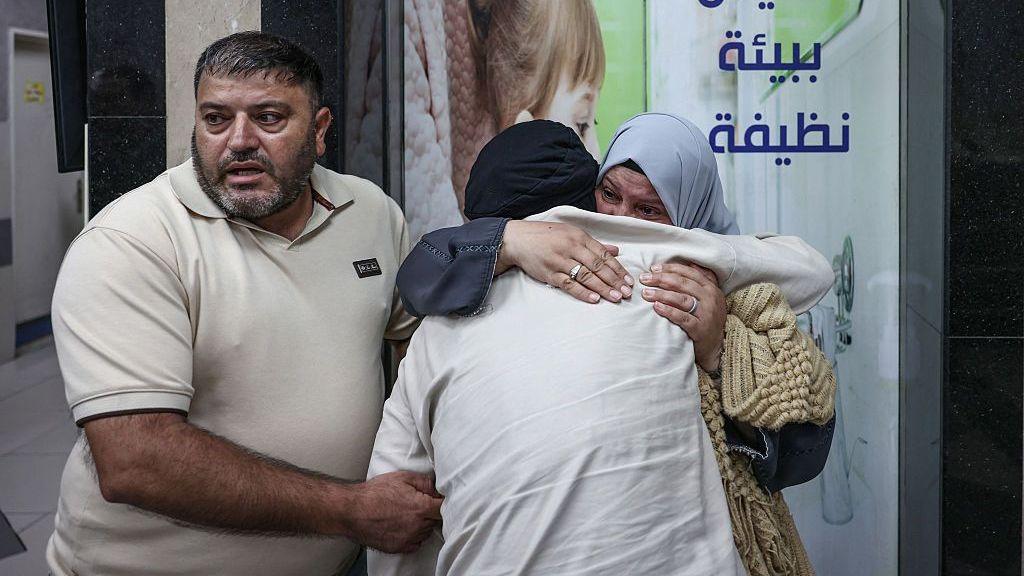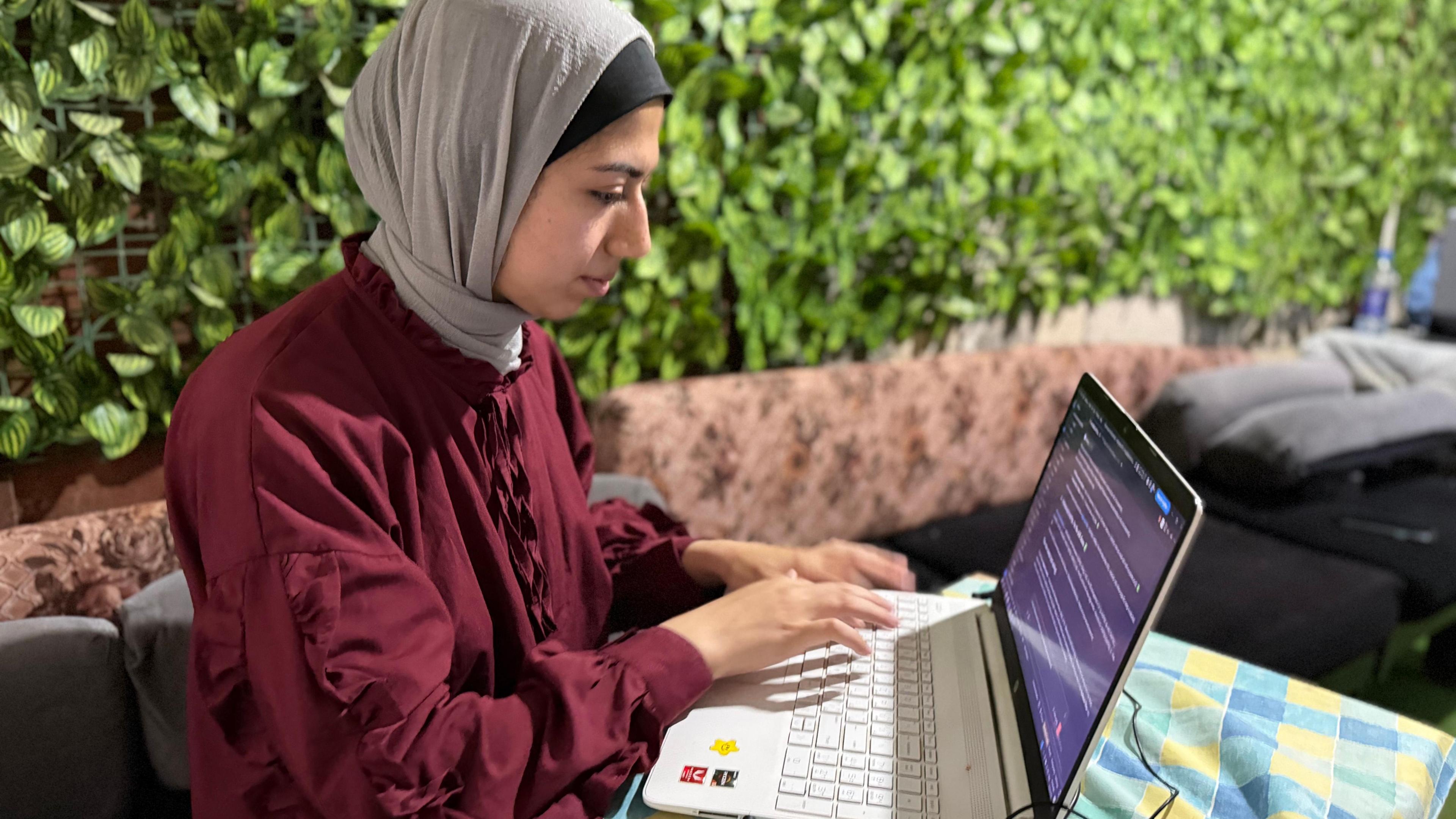
In the midst of relentless bombardment, 24‑year‑old Walaa Volidis has turned her laptop into a lifeline. Living in a tent in central Gaza, she wears a headset and stays glued to her screen as she learns AI, talks to a mentor in California and keeps her skills sharp for clients abroad.
"I was just in a trough, drowning in uncertainty," Walaa says. “But deep inside, I made a decision: it will not be the end, no matter how hard it gets. I’ll keep fighting for my dreams.” When the war began, she lost her job, her university and even some family members, yet she prioritised finding work. Her story is one of many: Gaza’s digital economy now encompasses coding, design, app development and even website creation for overseas clients.
The United Nations reports an unemployment rate jumping from 22 % before the conflict to over 80 %. Under these conditions, humanitarian groups see freelancing as a lifeline, enabling people to earn a living from the stability of the internet. NGOs like Mercy Corps, which co‑founded Gaza Sky Geeks in 2012, now support new co‑working spaces that use generators and solar panels to repair power and internet outages.
Tarik Zaeem—once a chief technology officer—now works as an independent programmer. He recovers from “starting from scratch” to building mobile apps for clients in Saudi Arabia. He keeps most of his earnings to support his wife and three children living in Egypt, purchased through the savings archived before the war.
Mahran Bayed, living in a tent beside the wrecked Al‑Shifa hospital, lost his equipment and house. His laptop’s screen was damaged during an air strike, so he carries an external display. He says, "From Gaza, I can collaborate with teams in completely different parts of the world and contribute with people I've never met." Yet he also faces the reality of limited spare parts, restricted imports and a banking system that has largely shut down.
Despite these hurdles, many tech workers in Gaza remain grateful for their relative success. In Deir al‑Balah, Walaa credits the Palestinian‑Dutch NGO TAP with connecting her to mentors and employers, and she has recently secured a full‑time role with a Dubai‑based firm. She now aims to help her siblings and secure medical evacuation for her sister, who suffers from lymphoedema after a war‑related injury.
The war’s persistence remains stark. Israeli air strikes continue nearly daily, targeting what Israel claims to be Hamas positions while Gaza’s civilians suffer. Nevertheless, the sustained effort of these tech workers offers a glimpse of hope—a future where, even amid destruction, digital skills can provide a lifeline back to normalcy and prosperity.