In brief
The Aircraft Accident Investigation Bureau has announced that a draft final report on the Air India Boeing 787 crash that claimed 260 lives will be ready by October. Investigators are currently in the analysis phase, expected to finish within six weeks, but have said no public release date or findings yet. The disaster in June 2025 saw the aircraft crash seconds after take‑off, suggesting a sudden power loss while shoring a medical college building. The report will offer fresh insights into crew actions, mechanical failures and organisational practices. Until the draft is published, speculation around pilot involvement remains unconfirmed and legal challenges continue.
Seven months after the tragic crash of Air India Boeing 787 Dreamliner Flight AI171, the Indian Aircraft Accident Investigation Bureau (AAIB) has updated the Supreme Court that the draft of its final report will be ready by October. The report will be the culmination of a thorough analysis of evidence, which the AAIB described as a six‑week process expected to finish shortly.
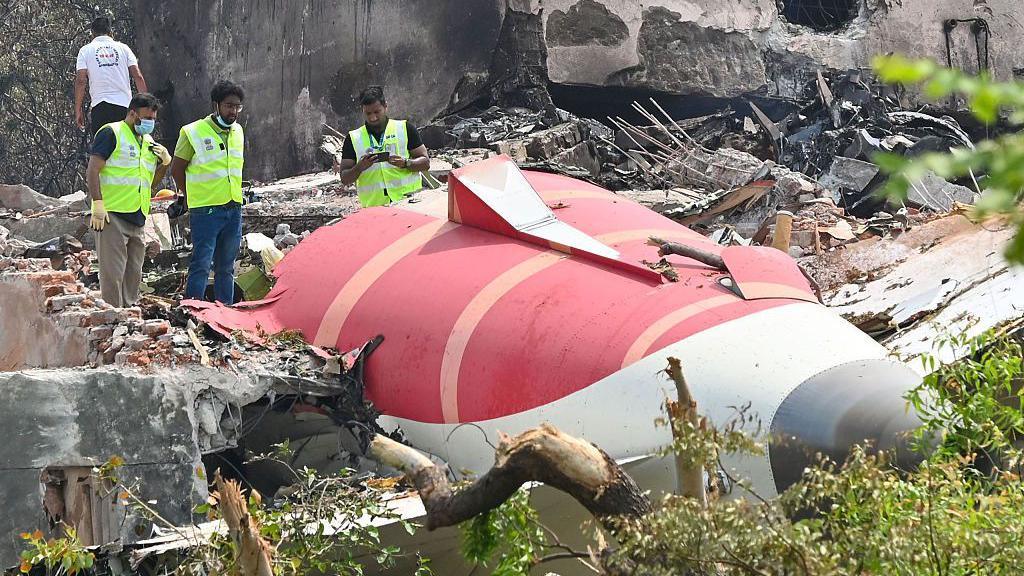
The crash occurred on 12 June 2025 when the aircraft took off from Ahmedabad in western India and, within seconds, a fuel‑control switch moved to the “cut‑off” position, depriving the engines of fuel and leading to a total power loss. The plane slammed into a building housing doctors’ accommodation at a medical college, killing 241 people aboard and 19 on the ground – a total of 260 victims. Only one passenger survived.
The AAIB’s preliminary report, released in July, had highlighted the abrupt switch to cut‑off and the unclear cockpit voice recordings that suggested a dispute between the pilot and co‑pilot. Speculation about pilot culpability has been amplified by media coverage, especially concerning senior pilot Captain Sumeet Sabharwal, and has drawn criticism from aviation unions and the bureau itself. In its affidavit, AAIB noted that the controversy has, regrettably, caused witnesses to become restrictive, hampering the investigation.
The latest affidavit demonstrates that the bureau has carried out 49 of the 66 mandated investigative steps, including site examination, wreckage analysis, flight recorders extraction, and review of crew medical, training, and psychological records. A “psychological autopsy” was undertaken to assess crew members’ mental state, and a transcript of the cockpit voice recorder has been compiled, though further details remain undisclosed.
A lawsuit by Captain Sabharwal’s father, which sought an independent inquiry, prompted the AAIB’s latest update stating that media speculation pointing to pilot blame has stalled crucial witnesses. The bureau has urged the court to uphold the investigative process and to refrain from premature judgments that could influence public perception.
Although the final report remains confidential until its release, the AAIB’s statement underscores the complexity of the investigation and the importance of a comprehensive understanding of the technical and human factors that led to the tragic outcome. The aviation community, regulatory bodies, and families of the victims await the final report that may recommend reforms to prevent future catastrophes.