In brief
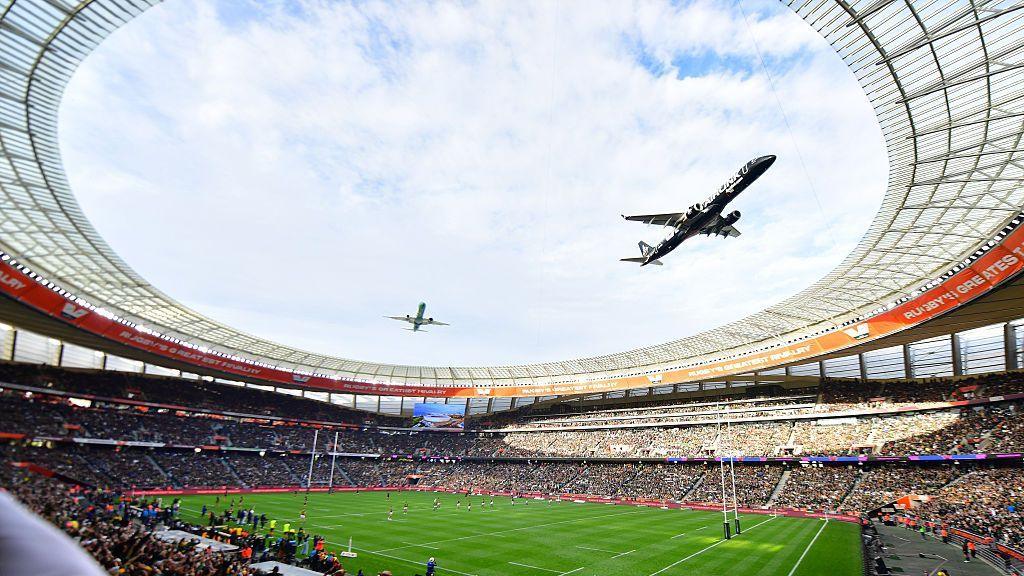
Airlink executed a bold aerial display over Johannesburg’s DHL Stadium, sending two aircraft only 15 metres above the roof during a South Africa v New Zealand rugby match. The stunt garnered mixed reactions, with some hailing its precision and others warning of risk. South African Civil Aviation Authority (SACAA) approved the operation but has now launched a deeper review following media scrutiny. Airlink claims the flights adhered to safety protocols, yet SACAA declined to repeat the flyby pending an analysis of flight data. The incident highlights ongoing debates over high‑profile flybys at major events and the regulatory oversight required to balance spectacle and safety.
Airlink’s daring aerial stunt over Johannesburg’s DHL Stadium, where two aircraft passed less than 50 feet above the stadium roof, led to a swift regulatory response. The flyby, performed just before a high‑profile South Africa versus New Zealand rugby match, exceeded expectations both for its execution and the safety margin it flew with.
While the regulator, South African Civil Aviation Authority (SACAA), had granted approval for the operation, it has now embarked on a thorough review amid media discussions and public concern over the low‑altitude pass.
Airlink stated that the flights were carried out according to approved safety protocols, using a rehearsed safety altitude and speed limits managed by an experienced crew. Nonetheless, SACAA refused to repeat the flyby over Soweto this weekend and has requested additional flight data recordings for in‑depth analysis.
“SACAA, as the safety net of the South African skies, emphasises that aviation safety and security compliance are non‑negotiable,” the authority said, noting the country’s strong air safety record. The review underscores the balance regulators must maintain between permitting dramatic displays for public events and safeguarding spectators and airspace.
The flyby is part of a tradition of high‑profile fly‑past demonstrations for sporting and presidential occasions. However, the eye‑catching spectacle has triggered debate over the limits of acceptable risk in aviation entertainment.