A fossil hidden in a Cambridge drawer surprised scientists after four decades.
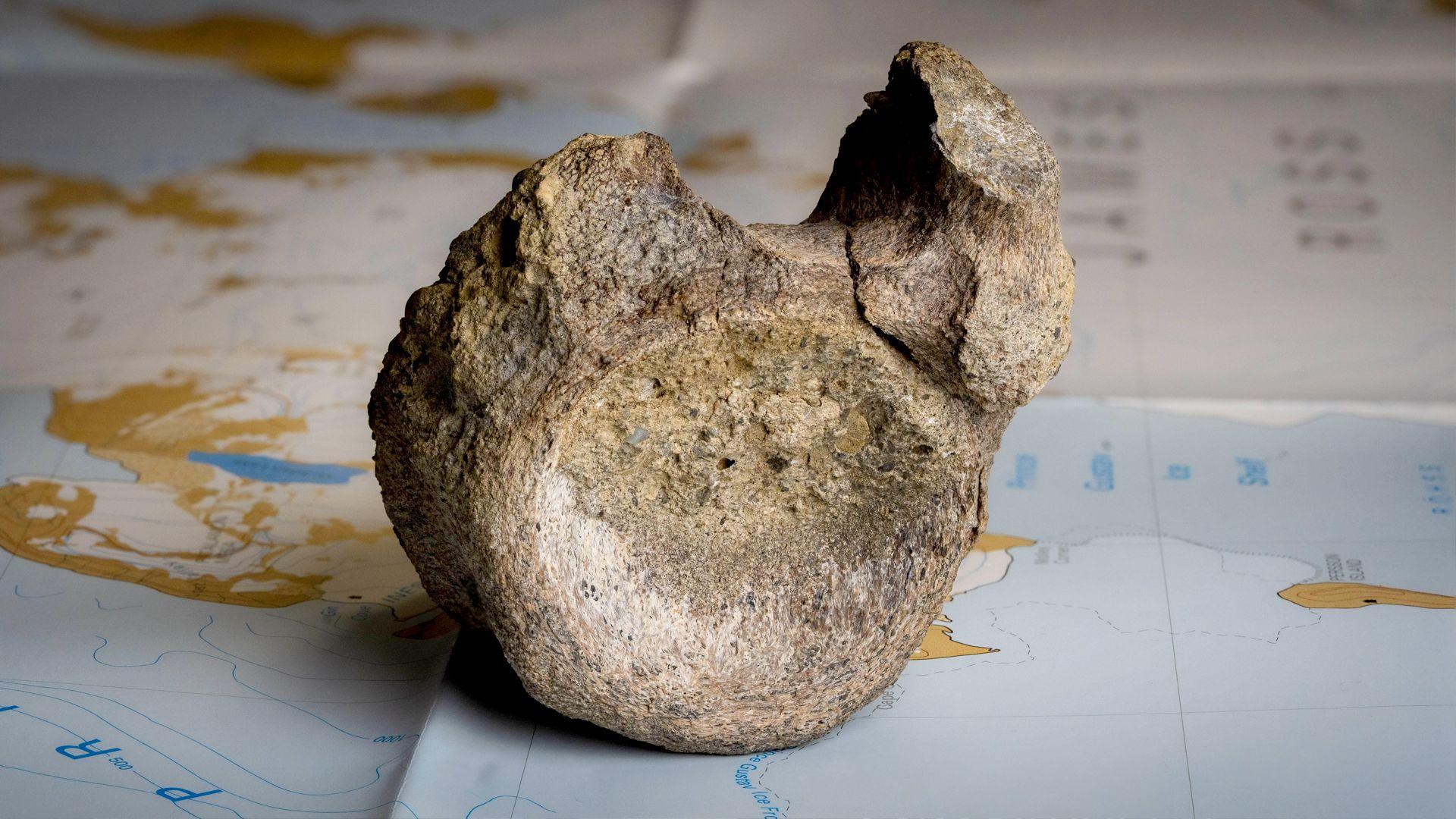
The specimen was first collected on James Ross Island in 1985. While the expedition team mistook it for a marine reptile, a later review recognised it as a tail vertebra from a Titanosaur – the giant, plant‑eating dinosaurs that once roamed the world.
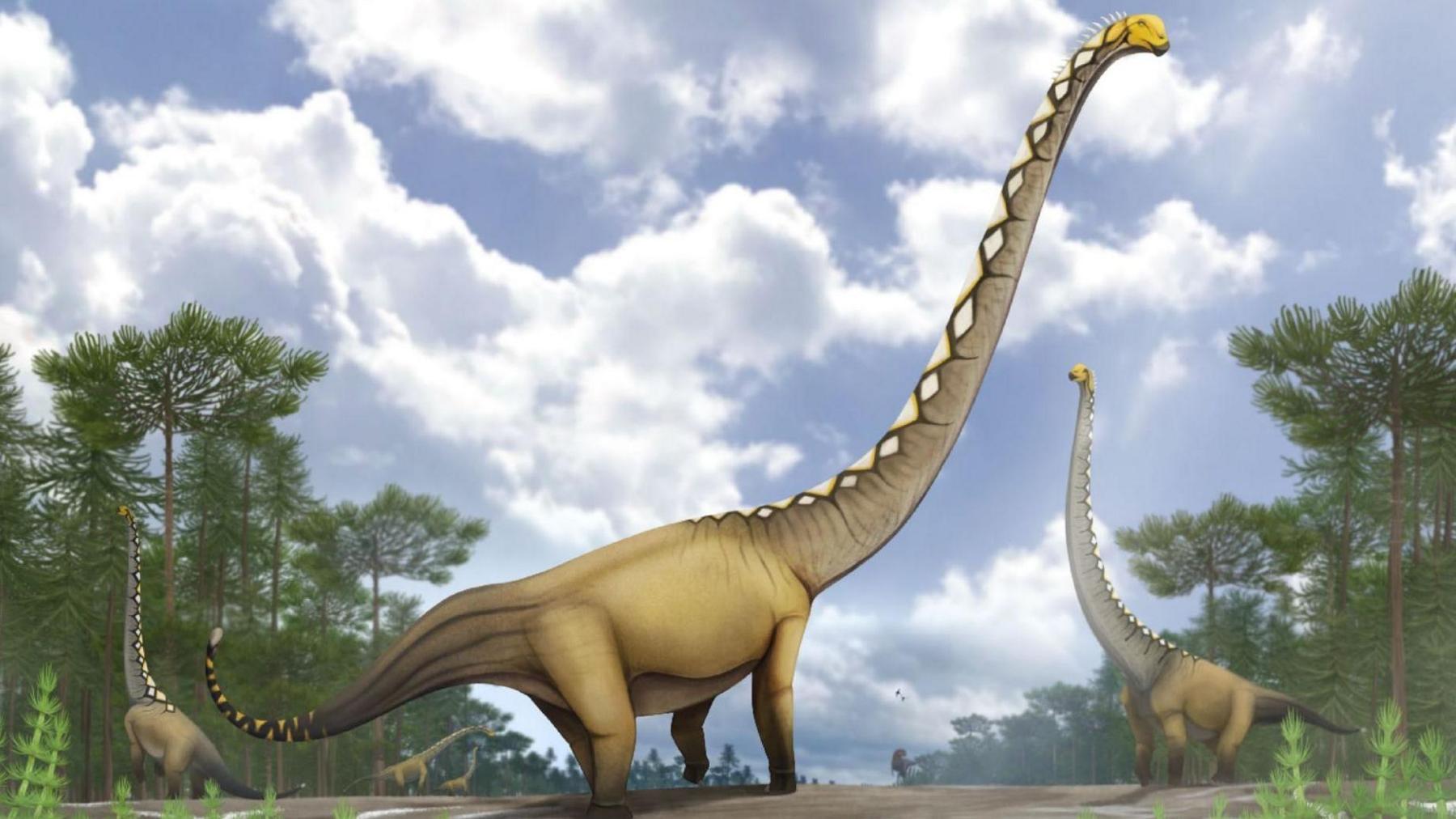
The bone is only about 10 centimetres wide, yet estimates based on similar fossils suggest the dinosaur was roughly 7 metres long, far shorter than the largest Titanosaurs that reached 35 metres. This size points to a small or juvenile individual in a forested landscape of 80 million‑year‑old Antarctica.
The find is significant because Antarctica’s fossil record is extremely sparse; the discovery adds a pivotal piece to the picture of the continent’s ancient ecosystems. Experts report that the bone proves the region once supported large, herbivorous animals, challenging the view of Antarctica as an uninhabitable ice‑covered wilderness.
Dr Mark Evans, the collections manager at the British Antarctic Survey, credited palaeontologist Prof Paul Barrett with confirming the specimen’s identity. The authors of the original paper are listed in Acta Palaeontologica Polonica.
For readers wishing to explore the scientific details, the paper is available online at https://www.app.pan.pl/article/item/app013152025.html.