
In brief
Flydubai Flight FZ1073 from Dubai to Tel Aviv was forced to land in Saudi Arabia after the co‑pilot attacked the captain with a crash axe. Australian authorities have opened an investigation into the co‑pilot’s links to the country, seeking to determine whether he was radicalised while studying on a student visa. In the incident, passengers overpowered the co‑pilot and helped regain control before the aircraft was diverted. The UAE prosecutor said the man may have intended a terrorist act, and the UAE Attorney General confirmed that investigations are underway to uncover motives and connections. The case underscores growing concerns over the security vetting of pilots and the international reach of suspected extremist networks.
Australian authorities are probing the links between a Flydubai co‑pilot and the country
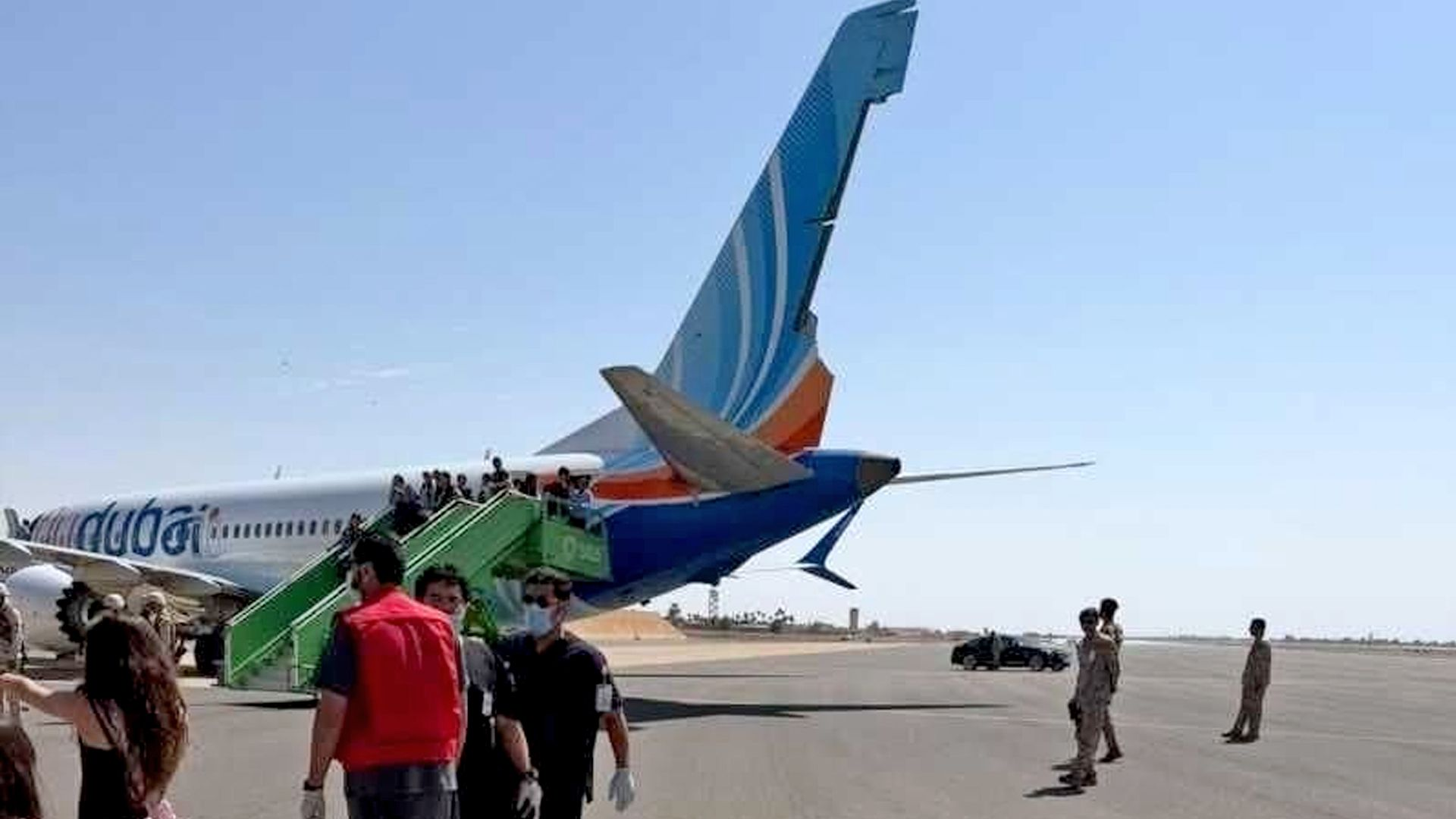
On 30 September, Flydubai Flight FZ1073 was carrying more than 170 passengers from Dubai to Tel Aviv when the co‑pilot allegedly attacked the captain with a crash axe. The pilot, Capt Smit Machchhar, was left injured and lying on the floor when the aircraft began an uncontrolled dive of roughly 17,000 feet.
Passenger cooperation was critical. Two or three crew members managed to wrestle control away from the assailant, allowing the cockpit to be re‑established. The plane then diverted southward and landed safely at Tabuk Airport in Saudi Arabia.
The co‑pilot, identified as Hamam al‑Hammami, is a former Omani national who was issued a student visa to Australia in 2014 and studied there between 2015 and 2017 before returning to Oman. Australian Broadcasting Corporation reports that his visa was cancelled in 2019 after he ceased enrollment.
The Australian Federal Police (AFP) confirmed that they are investigating the man’s ties to Australia, including potential radicalisation. The investigation involves state police and the national security agency, with an update to be provided when deemed appropriate.
The UAE Attorney General Hamad Saif Al Shamsi has characterised the incident as a “terrorist act” under investigation, and Saudi authorities are questioning al‑Hammami after the emergency landing. No dashhandled injuries were reported to seriously harm passengers.
Reports from the UAE prosecutor general also revealed that the co‑pilot had experience at Oman Air, where concerns over his extremist views had led to his removal from flight training. Since then he has claimed roles within the airline’s non‑flight operations.
While these details emerging, the event casts fresh scrutiny on vetting procedures for aviation personnel. The incident underscores the risk of extremist infiltration across borders, particularly in the context of international travel and the aviation industry’s global workforce.
For continued coverage, subscribe to OnPoint and stay updated with breaking news and in‑depth analysis on aviation security and international terrorism.

