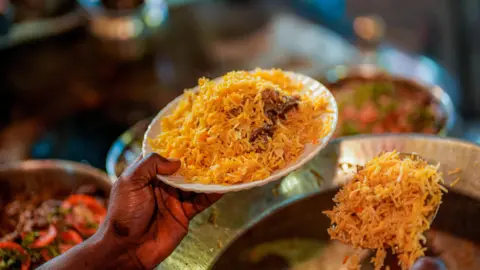
Ivory Coast's famous staple food, attiéké, has received prestigious recognition as it has been officially included on UNESCO's list of intangible cultural heritage. This beloved dish, pronounced "atchekay," is primarily made from fermented cassava flour and is cherished throughout the nation, often consumed at all meals of the day, alongside offerings such as grilled fish. Its origins trace back centuries to the coastal regions of Ivory Coast, and it has since gained popularity across much of West Africa.
Ramata Ly-Bakayoko, Ivory Coast’s UNESCO delegate, highlighted the cultural significance of attiéké during the 19th session on safeguarding intangible cultural heritage in Paraguay, stating that it is "deeply rooted in the daily lives of its communities." This year, Japan's traditional sake also joined the UNESCO list, marking a significant moment for both cultures.
In Ivory Coast, attiéké is typically served during various ceremonies, including weddings, baptisms, funerals, and community gatherings. For many, especially women, making attiéké is not just a culinary tradition but a source of economic empowerment. The preparation of attiéké is a time-honored process involving multiple steps, including peeling and grating cassava, fermenting it, and manual processing and steaming, a skill passed down through generations of women. Ms. Ly-Bakayoko emphasized that attiéké plays a crucial role in defining the identity of Ivorians.
The inscription of attiéké on UNESCO's list serves as a reminder of the importance of safeguarding intangible cultural heritage, especially those practices that are at risk. UNESCO recognizes attiéké's significance as a vital part of humanity's shared heritage.
The recognition has not come without its share of controversy, as evidenced by a public outcry in 2019 when a Burkinabé entrepreneur received an award for attiéké in an agriculture competition in Abidjan. This incident highlighted the strong emotional and cultural ties Ivorians have to their national dish.
In response to the misappropriation of their cultural dish, the African Regional Intellectual Property Organization has taken steps to register a collective trademark, ensuring that only cassava produced in Ivory Coast can be marketed as attiéké, echoing protections similar to those for French champagne.
As attiéké takes its place among recognized cultural legacies, it stands as a testament to the rich identity and traditions of the Ivorian people, showcasing the importance of preserving and celebrating such culinary heritages.