
In brief
The recent legislation, advanced by Prime Minister Viktor Orban's ruling Fidesz party, has led to protests in Budapest and sparked international outcry as critics label it a violation of fundamental rights. Supporters of the ban argue it protects children, while opponents call it oppressive and fascist.
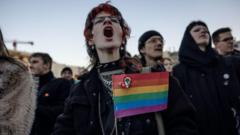
The Hungarian parliament has taken a significant step in curbing LGBTQ+ rights by passing legislation that outright bans Pride marches, a cornerstone of LGBTQ+ visibility and rights for the past three decades. This decision, made within a day of the bill being proposed, has led to widespread demonstrations across the country.Prime Minister Viktor Orban's government, seeking to assert its conservative values, justifies the ban on the grounds of child welfare, claiming that LGBTQ+ events portray harmful ideologies. Orban has suggested that “woke ideology” poses a danger to children, a stance that has been met with derision and accusations of scapegoating the LGBTQ+ community.Following the law’s passage, protesters took to the streets of Budapest, blocking the Margaret Bridge to voice their opposition. Many opposition lawmakers also expressed their dissent by lighting flares in parliament during the votes. This quick legislative action has intensified scrutiny of Hungary’s regressive stance on LGBTQ+ rights, particularly after a series of prior measures that have gradually rolled back protections for gay and transgender individuals.Under the new rules, organizing or attending a Pride march could lead to steep fines, with penalties reaching up to 500 euros. Law enforcement has also been granted new powers to utilize facial recognition technology to monitor and identify potential violators. Critics, both domestic and international, have condemned the law. European Union officials have expressed concern, emphasizing the importance of safeguarding the right to peaceful assembly and protection against discrimination across member nations.In a harsh rebuke, organizers of Budapest Pride asserted that calling the ban a measure for child safety is a misrepresentation of the truth. Their resolve to continue with the 30th pride march scheduled for later in June remains strong, indicating a determination to fight for their visibility and rights despite the new risks.With Hungary's political landscape shifting—especially with increasing support for the rival center-right Tisza party as it positions itself as a more moderate alternative—this decision could have lasting implications for the Fidesz party and Hungary's place in the European community.The new law prohibits a foundation for human rights and freedoms in Hungary, highlighting an unsettling trend that mirrors authoritarian regimes throughout history. As the resistance grows in the streets, the fight for equality and recognition in Hungary is far from over.


