
In brief
In a firm rebuttal to speculation regarding the sale of its US operations, TikTok has labeled a Bloomberg report suggesting a deal with Elon Musk as "pure fiction." The comments come as the US Supreme Court prepares to decide on the app’s future amid security concerns.
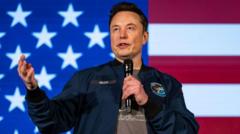
TikTok has responded forcefully to a recent Bloomberg report claiming that Chinese authorities are contemplating the sale of the platform’s US operations to billionaire Elon Musk, deeming the story "pure fiction." This statement follows Bloomberg's assertion that Chinese officials are exploring potential sale scenarios contingent on a ruling from the US Supreme Court that could lead to TikTok's ban in the United States.As the Supreme Court prepares to issue a ruling on January 19 regarding a law that may force TikTok to divest its US interests, the company has consistently maintained its opposition to selling its American operations. A TikTok spokesperson was quoted saying, "We can't be expected to comment on pure fiction," when asked about the report.Bloomberg's sources alleged that a potential deal could see Musk’s platform, X, take control of TikTok's US entity. Musk, who is closely allied with incoming US president Donald Trump, is speculated to be involved in strategies influencing the situation. Just last month, Trump requested the Supreme Court to delay its ruling, promoting a "political resolution" to the TikTok controversy.The situation has been further complicated by Trump's legal team, which suggested that, should it proceed, it would oppose any ban on TikTok and promote a path forward after he assumes office. Trump's engagement with TikTok's CEO Shou Zi Chew at his Mar-a-Lago estate is indicative of his ongoing interest in the platform’s future.Meanwhile, the Biden administration has raised alarms about the potential for TikTok to be utilized by China for espionage and political manipulation. TikTok has consistently refuted these claims, asserting that it operates independently of Chinese Communist Party influence, and argued in court that banning the app violates users' free speech rights under the First Amendment.


