
In brief
As Donald Trump outlines his new presidency, his appointments reveal a clear focus on immigration enforcement, a stern approach to China, and a commitment to his loyal supporters.
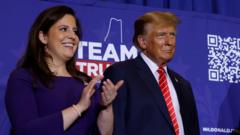
In the wake of his election victory, Donald Trump is already hard at work shaping his forthcoming administration, revealing a series of appointments that signal his strategic priorities. With a focused approach this time around, Trump emphasized his commitment to immigration reform and a robust foreign policy, particularly regarding China. Among his notable picks is Congresswoman Elise Stefanik, named as the U.S. ambassador to the United Nations, who has been vocal about China's foreign interference. This move reflects Trump's effort to counter what many conservatives perceive as escalating threats from China. Florida Congressman Mike Waltz, a retired Army colonel, is selected as his national security adviser, aligning with a hardline stance that paints U.S.-China relations as fraught with conflict.In the immigration arena, Trump has reassembled a team of hawks dedicated to fulfilling his controversial promises of mass deportations. Stephen Miller, known for his stringent policies during Trump's first term, returns as deputy chief of staff for policy, a central role from which he is expected to drive aggressive immigration strategies. Thomas Homan, previously acting director of the ICE, has taken on the role of "immigration tsar," vowing to lead a formidable deportation force, a promise that critics warn could have significant fiscal repercussions.A notable aspect of Trump's transition team includes tech mogul Elon Musk, tasked with advising on “government efficiency.” Musk's deep financial backing and influence are positioned to play an essential role in advancing Trump’s initiatives and reorganization efforts.Strategies appearing to prioritize individual executive power over collaborative governance have emerged. Trump has suggested leveraging more “recess appointments” to bypass Senate approval for key administration roles, casting aside traditional legislative processes. This may reflect an intention to consolidate his authority and expedite his agenda while sidelining potential legislative delays.Moreover, Trump's early appointments suggest a preference for loyalty over expertise, as he fills roles with staunch supporters, including South Dakota Governor Kristi Noem as homeland security secretary and conservative commentator Pete Hegseth as defense secretary. The dynamic within Trump's second administration is anticipated to differ significantly from his first, as he now possesses a pool of loyalists keen on supporting his vision, although the forthcoming pressures of governance may test those allegiances.Overall, as Trump solidifies his inner circle, the forthcoming administration promises to reflect the shifting landscape of American political priorities in favor of stricter immigration, stronger stances against foreign adversaries, and a concerted effort to harness loyalty among his appointed officials.

