

In brief
The CIA’s top officer John Ratcliffe secretly landed in Moscow on a U.S. military jet and met Russian foreign‑intelligence chief Sergei Naryshkin, hinting at a warning to curb escalation in Ukraine. The trip mirrors a similar five‑year‑old visit by predecessor William Burns and comes against a backdrop of Russian threats to NATO allies, including potential attacks on Baltic states. While no formal statement clarifies the purpose, analysts suggest the aim may be to deter further conflict, discuss prisoner swaps or influence U.S.‑Russia cooperation on Iran. The move has intensified concerns over hybrid warfare and the delicate balance under NATO’s Article 5, leaving the international community wary of Russia’s next steps.
On Tuesday, CIA Director John Ratcliffe flew to Moscow aboard a U.S. military aircraft, an itinerary that was not announced until the Kremlin confirmed the meeting. He was received by Sergei Naryshkin, the head of Russia’s foreign intelligence service, and other senior officials.
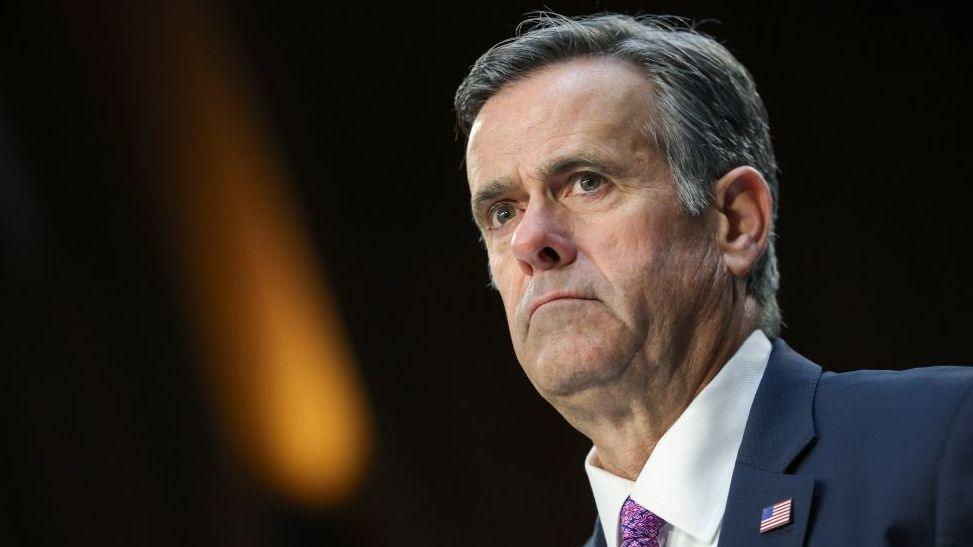
The trip, reminiscent of William Burns’ 2017 visit, coincides with reports that Russia may be planning a limited offensive on a NATO member. Experts argue that the meeting likely aimed to caution Moscow against escalating hostilities, especially across the Baltic region and potential attacks on UK targets.
During a brief interview, a U.S. source indicated that the chief’s primary purpose was to warn Russia of the consequences of any action that could trigger NATO’s mutual defense clause. The conversation also touched on broader strategic issues such as prisoner exchanges, cooperation with Iran, and the ongoing mobilization of Russian forces.
The visit has reinvigorated concerns about Russia’s hybrid warfare tactics—cyber attacks, drone infiltrations, and sabotage of defense facilities—while the West prepares for possible asymmetric threats to its allies. The Kremlin’s rhetoric toward NATO has also intensified, reflecting mounting domestic pressure on President Putin to “do something” amid the Ukraine stalemate.
Consequently, the world watches closely for how the U.S. and Russia will navigate this fragile space, especially as both sides tread near the razor‑edge of armed escalation, potentially even touching nuclear considerations. In any case, the CIA chief’s sudden dash to Moscow is a stark reminder that diplomatic signals can shift rapidly in a highly charged geopolitical environment.