
In brief
Sixty‑plus year‑old Yang Wei in Beijing once said that the only thing keeping her from ending her life was the comforting sound of the TV. Following the rise of private caregiving, small businesses have sprung up to deliver food, fix household items and simply listen. Experts say these services, though affordable, reveal a deeper societal shift where human connection has become a commodity. The market, worth billions, includes hospital escorts, hiking guides and everyday companions, but critics warn the industry may merely mask a broader loneliness crisis that demands policy change. In this investigative piece we trace Yang’s transformation, outline the booming sector and explore the psychological, economic and ethical dimensions behind China’s emerging loneliness economy.
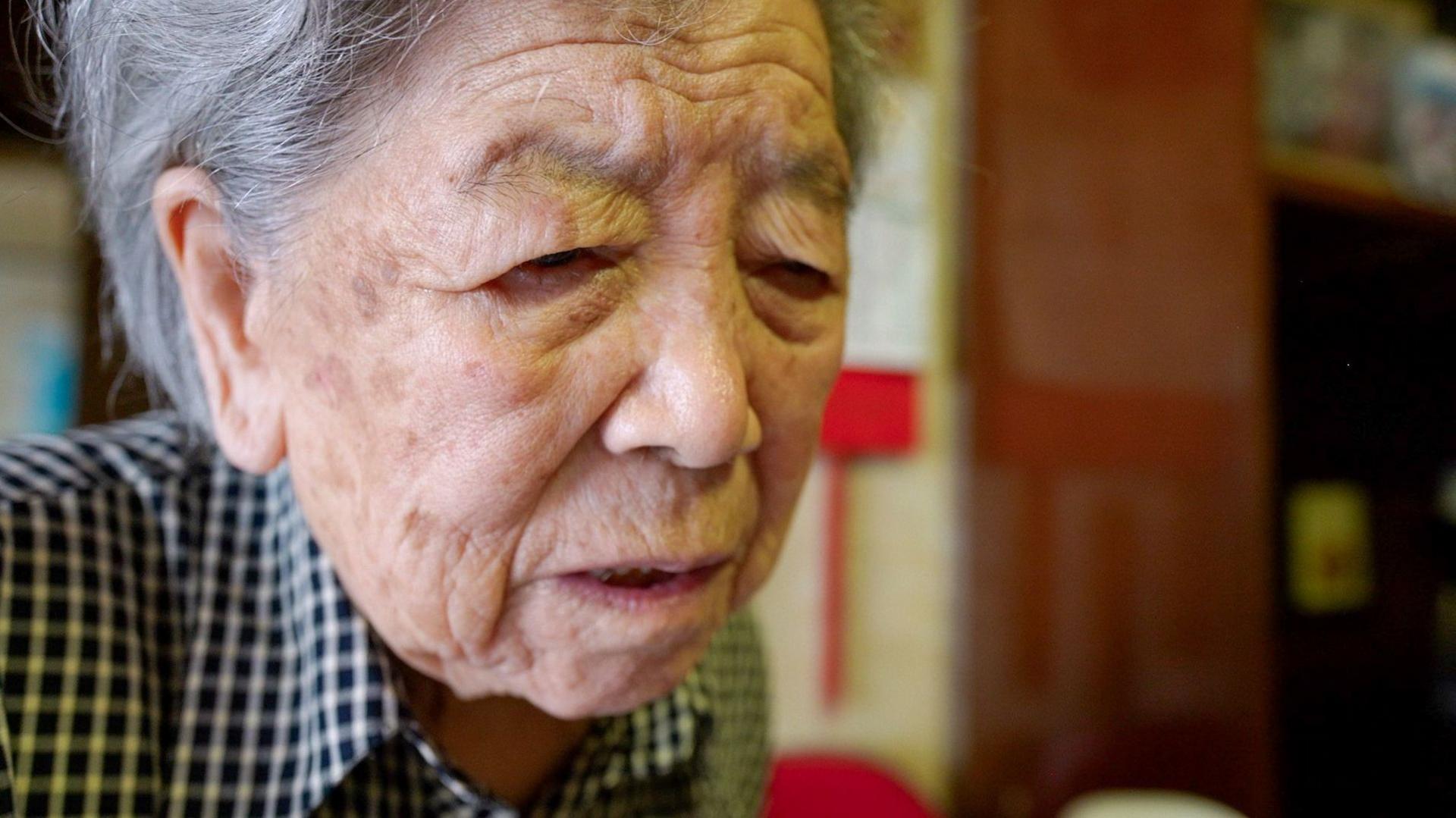
When 91‑year‑old Yang Wei retired after a long career in Beijing, the empty house echoed with nothing but silence.
She once told a BBC reporter that the only thing keeping her from taking her own life was the sound of the TV turning on and off. She described the loneliness as “so deep that I had considered voluntary euthanasia.”
Since the government liberalised private caregiving, Beijing has seen a boom in “loneliness industry” start‑ups, offering everything from hot meals to life‑on‑the‑go support.
Wang Yingwei, a former mobile‑phone salesman, now runs a team that delivers lunches twice a day and fixes broken household appliances.
“We act as community children,” Wang explains, “so we can anticipate the needs of the elderly and relieve them of the small but heavy burdens that slow them down.”

Yingwei estimates the business costs less than half that of a full‑time caregiver, yet the sector is projected to hit $7.4 billion next year, analysts say.
For many Chinese citizens, especially urban migrants and retirees living alone, the paid companion offers a predictable and affordable way to regain dignity.
Expert Sandra Kuan, associate professor at the Chinese University of Hong Kong, warns that technology alone cannot replace human touch “and that the market is effectively selling a human connection.”
From hospital escort Liu Yanyan to hiking guide Wang Zhoutao, the industry’s portfolio is expanding, and now the question is whether this commodified companionship will truly provide emotional relief or simply mask societal issues that still need deeper policy solutions.

