
In brief
Li Huifang, the owner of Heshi Peixin Kindergarten in Gansu, was handed a life term after the discovery that her staff had used toxic paint and lead‑laden ingredients in meal preparations. 247 students and staff showed alarmingly high blood lead levels following infections traced back to contaminated red date cakes and sausage‑corn buns. Court documents revealed a systematic scheme of poisoning that was allegedly supported by superiors and covered up by provincial officials. In total, six people—including the executive principal and four kitchen staff—received sentences ranging from six to fifteen years, with confiscation of more than half a million yuan in assets. The incident has spurred nationwide reforms in food safety regulations for institutional meals.
Li Huifang, the owner of the Heshi Peixin Kindergarten in Tianshui, Gansu, has been condemned to life imprisonment after a court found she orchestrated the poisoning of more than 200 children with lead‑contaminated food.
Chronology of the crime
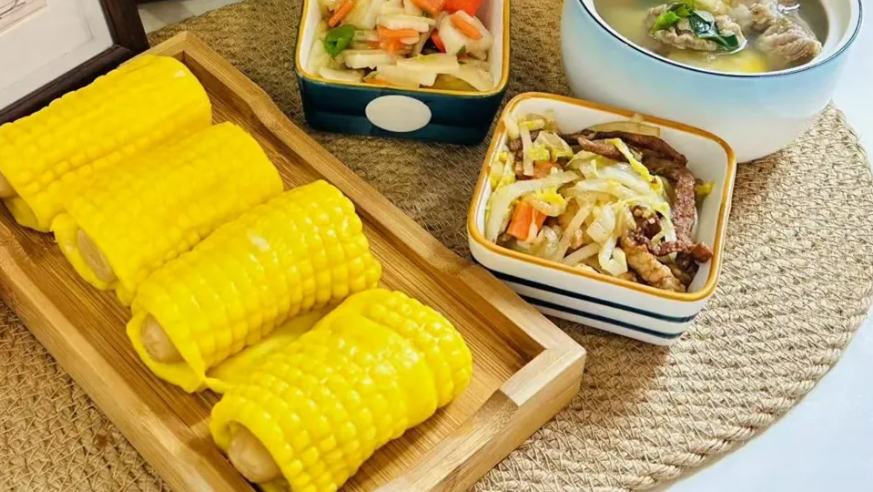
In July 2025, hundreds of pupils and staff displayed abnormally high blood lead levels, prompting an investigation that traced the source to meals—particularly steamed red date cakes and sausage‑corn buns—that exceeded the national safety limit by more than a thousandfold.
Excerpts from the indictment show that kitchen staff were instructed to use an inedible paint to make dishes look more appetising, despite the paint being clearly marked as non‑edible.
The court ordered the confiscation of 500,000 yuan (about £56,200) from Li and likewise imposed a 15‑year sentence and a 300,000‑yuan fine on executive principal Zhi Jinglin. The four kitchen workers received sentences ranging from six to eight years.
Investigators discovered that dozens of provincial officials and hospital staff tried to cover up the incident by tampering with blood tests and accepting bribes from an investor in the nursery.
In response, China has introduced new national guidelines that mandate thorough testing of every new batch of food and require all key food staples—such as flour, rice and cooking oil—to be sourced from centralised procurement points.
Lead poisoning poses severe risks to young children, potentially causing irreversible damage to the brain and central nervous system, according to the World Health Organization.

