In brief
Tennessee death‑row inmate Christa Pike has survived a botched lethal‑injection execution, reportedly recovering enough to walk with assistance. Her lawyers describe the physical and psychological toll as “profound” and argue the case exposes systemic flaws in capital punishment procedures. A judge has ordered preservation of all execution evidence, while Governor Bill Lee has paused all executions for the remainder of the year, amid calls for a life‑without‑parole sentence. The incident marks the first time the U.S. has seen a death‑row inmate survive an execution attempt, sparking renewed calls for reform.
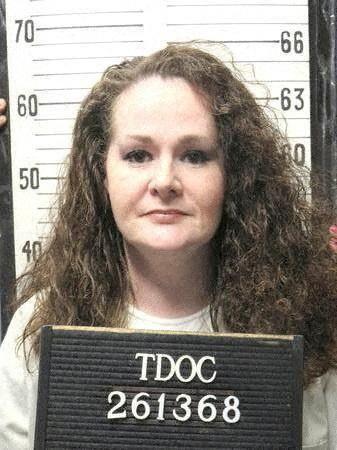
Christa Pike, a 50‑year‑old death‑row inmate in Tennessee, survived a lethal‑injection execution attempt on September 30, 2026. Two doses of pentobarbital were administered, but the drug failed to halt her heart, and Pike was rushed to a nearby hospital in critical condition.
In a statement released Thursday, Pike’s lawyers said the woman is in a “profound” state of recovery: she can walk with assistance, eat, and has regained some arm movement that was severely damaged during the attempt.
“Christa is dealing with the profound psychological trauma of having survived a failed execution,” the attorneys wrote, adding that the ordeal has left her uncertain and terrified of death. They also noted that Pike continues to express concern for the family of her 1995 victim, Colleen Slemmer, and for those who advocated for her execution.
A judge in the case has ordered that all evidence from the execution room—IV lines, syringes, packaging, and documentation of Pike’s psychological state—be preserved for a possible future lawsuit. Meanwhile, Governor Bill Lee announced a comprehensive pause on all Tennessee executions for the rest of the year, demanding a review of the state’s lethal‑injection procedures.
This case marks the first known instance in the United States where a death‑row inmate survived an execution attempt, prompting legal experts and human‑rights advocates to call for a reassessment of capital punishment methods. Some supporters of the death penalty have suggested that a different method of execution be tried, while others argue that the incident proves the system’s inherent cruelty and supports a shift toward life sentences without parole.