Inside the shadow of a convicted smuggler now claiming asylum in the UK
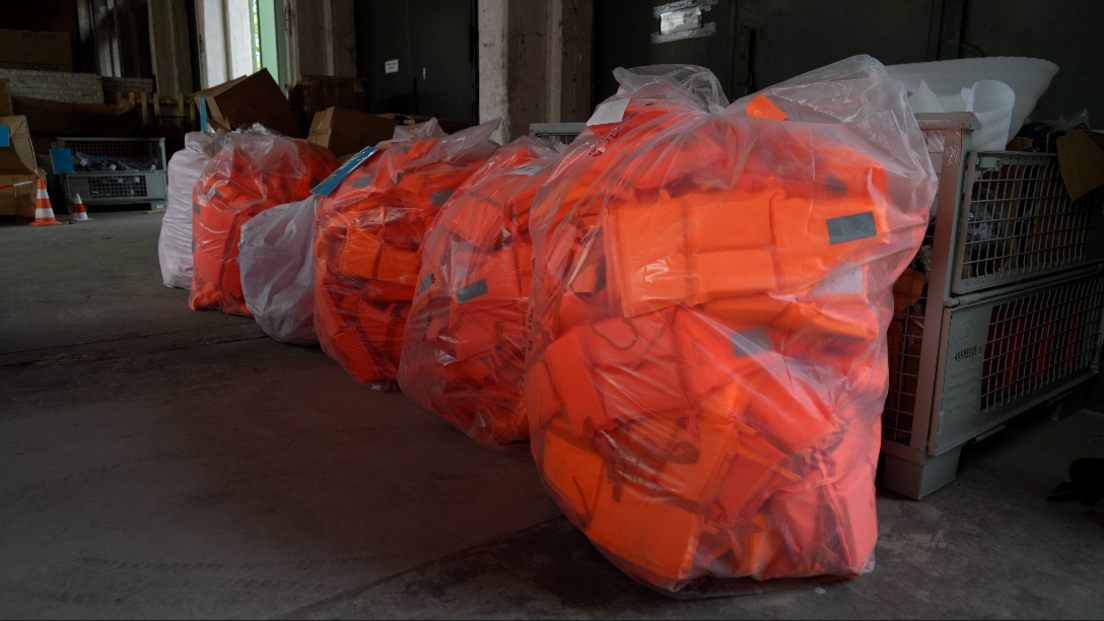
Twane Jamal, a 36‑year‑old Iraqi Kurd who earned up to £100,000 a week shipping illegal migrants across the Channel, was sentenced to five years in a French prison in 2016. In a BBC investigation, reporters have traced him to the town of Blaby, near Leicester, where he reportedly works at a convenience store, drives a car without a licence, and claims he has applied for asylum and is still waiting.
During an undercover meeting at one of the local mini‑marts, Jamal denied any involvement in people smuggling, claiming he was in the UK since 2009 and saying the Office of Immigration knew his true identity. “I don’t care,” he replied when shown a courtroom photograph from his 2016 trial. Yet reporters observed him behind the till and moving stock, while also driving a vehicle in the same area.
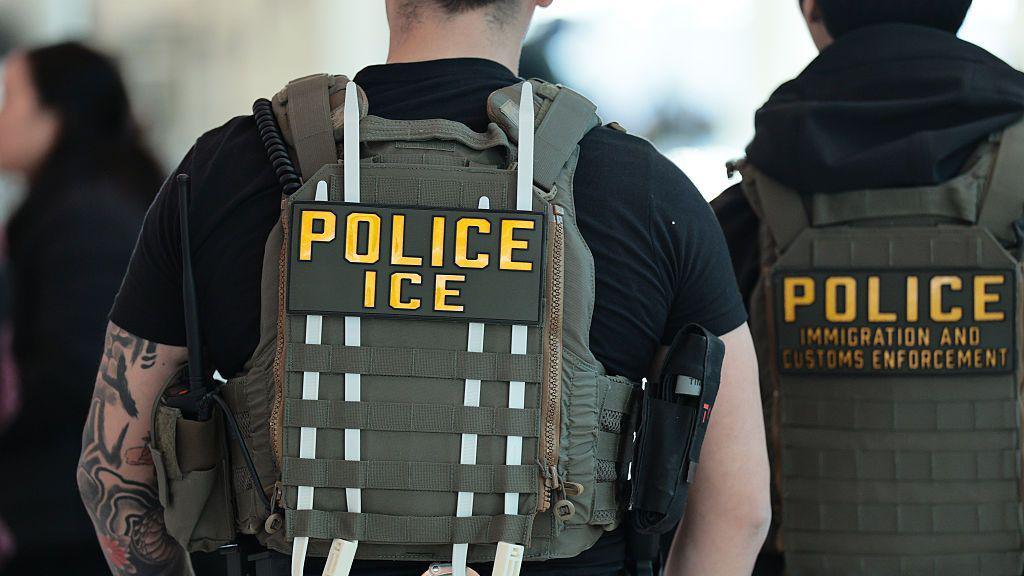
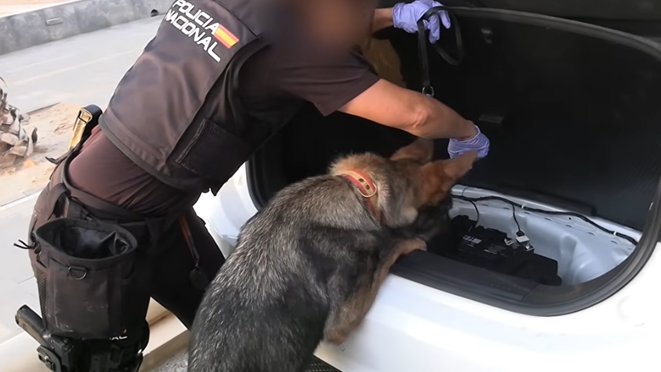
Border and immigration officers explain that since the UK left the EU, it has become more difficult to check foreign criminal records, especially from countries with which it no longer shares databases. “We know of 15 people smugglers, convicted in France, Germany and Belgium, who are now living in the UK and claiming asylum under false names,” police officials told the BBC.
The Home Office confirms all asylum claimants undergo mandatory security checks, but notes that these processes rely heavily on UK databases and may not flag convictions abroad. Lucy Morton of the Immigration Services Union argues that re‑establishing data‑sharing with neighbouring countries could expose such hidden criminal backgrounds.
In Keech—coincidentally a working name used by Jamal during his trial—“Pasha” staged his legal defense claiming mistaken identity, but the court found otherwise. While the UK has seen an 83% rise in illegal‑working arrests, the handling of international criminal records remains a critical loophole for smugglers.
As the case of Twana Jamal surfaces, it prompts urgent scrutiny of UK asylum and border controls, and a call to strengthen cooperation with European partners to prevent repeated exploitation of the immigration system by criminal networks.