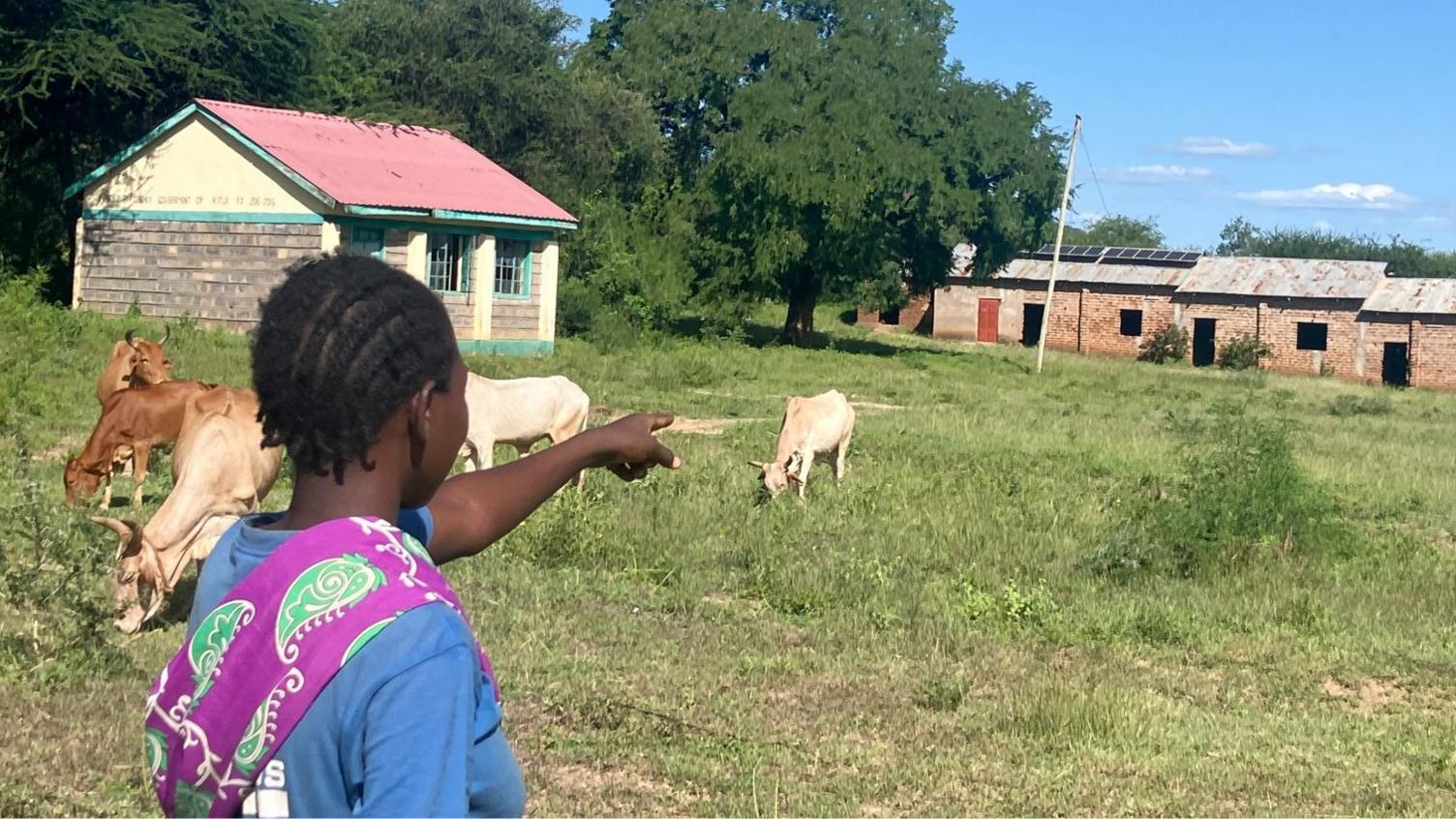
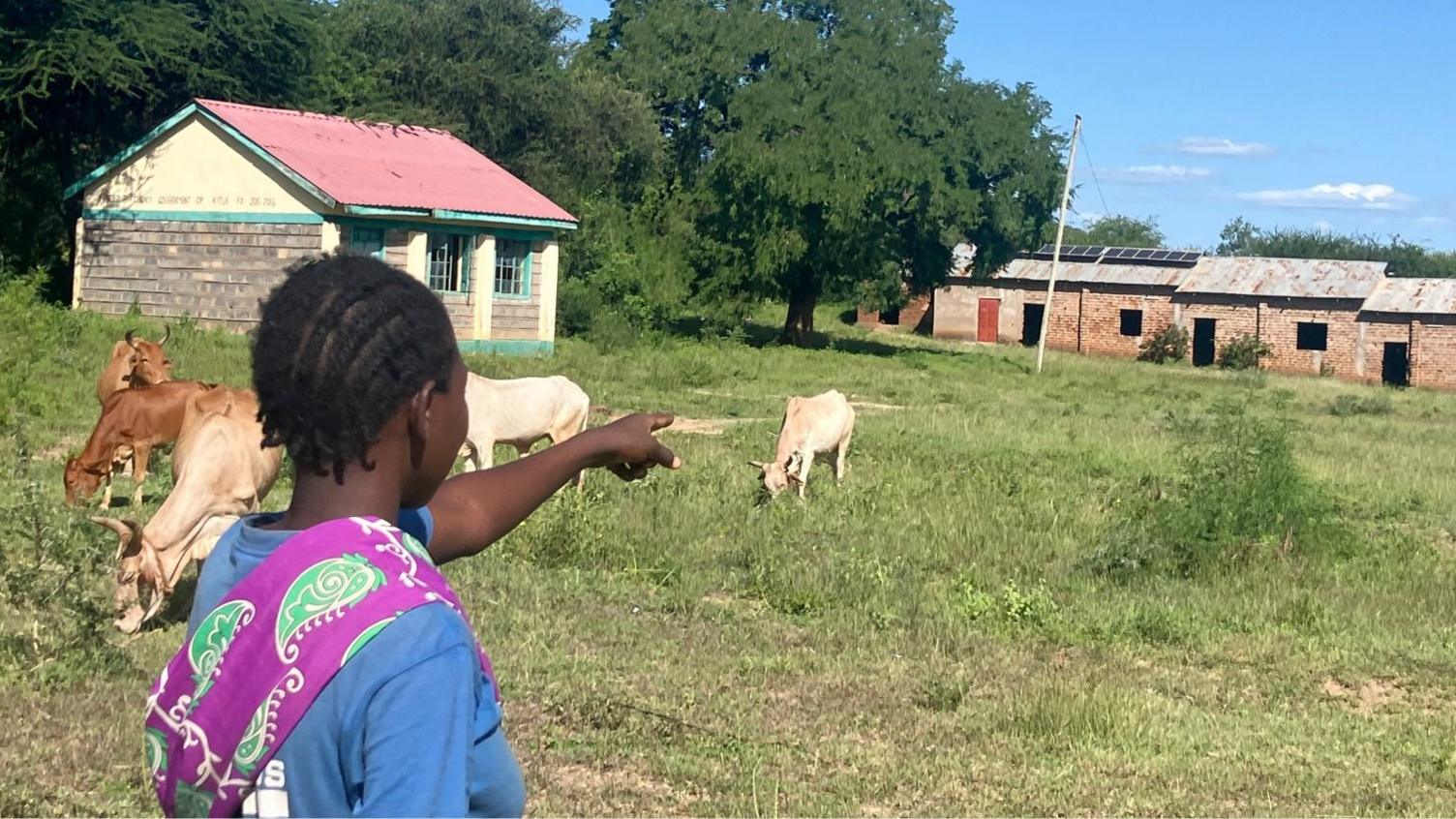
On a bright morning at Kaliluni Primary School in Kitui County, cows quietly graze between broken classroom doors that should hold eager pupils.
Three years ago, more than 200 children filled the compound. Today only five remain, and even the lone teacher is absent. The rural school’s desolate shelves dust‑streaked with textbooks attest to a swift decline in enrollment.
The cause is the Competency‑Based Education (CBE) curriculum launched in 2017. Designed to move away from exam‑heavy learning, CBE now requires classrooms that give students access to science labs, practical projects and specialist teachers. Rural schools, with limited funding and staff shortages, struggle to meet these demands.
Mark Kasyoki, an education policy expert, notes, “Infrastructure gaps are acute. Many rural schools lack basic facilities such as laboratories, yet learners are expected to pursue science and technical pathways.”
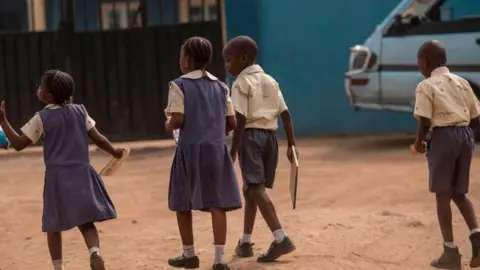
The result has been a wave of closures: so‑called ‘closing schools because they have fewer than 45 pupils’ has become a government policy. A January audit revealed 2,145 public primary schools slated for closure or merger, and over 2,700 secondary schools with fewer than 150 learners. The policy has already forced families to travel far‑away, sometimes three kilometres on foot, for schooling.
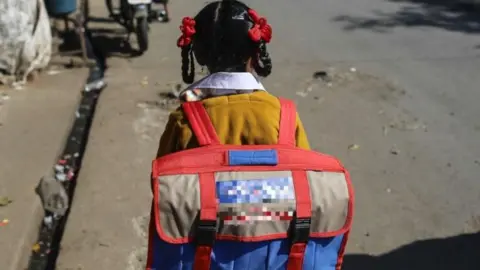
Parental frustrations run high. Maureen Mwisiwa’s mother, Josephine Muasya, reflects on moving her daughter to a school 8 kilometres away, walking an hour each day. “I was hoping the government would restore operations here – bring more teachers and facilities to accommodate the new curriculum – but there is no hope,” she says.
Teachers, too, feel the strain. A local teacher says, “The challenge is not that teachers are unwilling to embrace CBE. It’s that many of us have not been adequately prepared for it. The training has been inconsistent, especially in rural schools.”
Beyond curriculum, broader social trends aggravate the problem. Lower fertility rates, combined with young adults moving to urban centers for employment, reduce rural student populations. According to national statistics, 70% of Kenyans reside in rural areas, but UN‑Habitat predicts that by 2050 half the country will live in towns.
The closure of schools pushes students into more distant, overcrowded institutions. Dr Emmanuel Manyasa, head of Usawa Agenda, cautions that “closing schools like Sooma Primary in Kitui county increases overcrowding elsewhere,” raising safety and quality concerns.
To address the crisis, experts call for a multi‑layered approach: better funding for rural infrastructure, targeted teacher placement, and both strategic school mergers and expansion of nearby facilities. Only a balanced strategy can preserve Kenya’s education goals without leaving children on the sidelines of their future.
“The CBE curriculum should strengthen schools, especially for low‑income communities, not weaken them.” – Tabitha Katingu, parent, Kitui.