Cries of Loss: Families Identify Venezuela Earthquake Victims in Makeshift Morgue
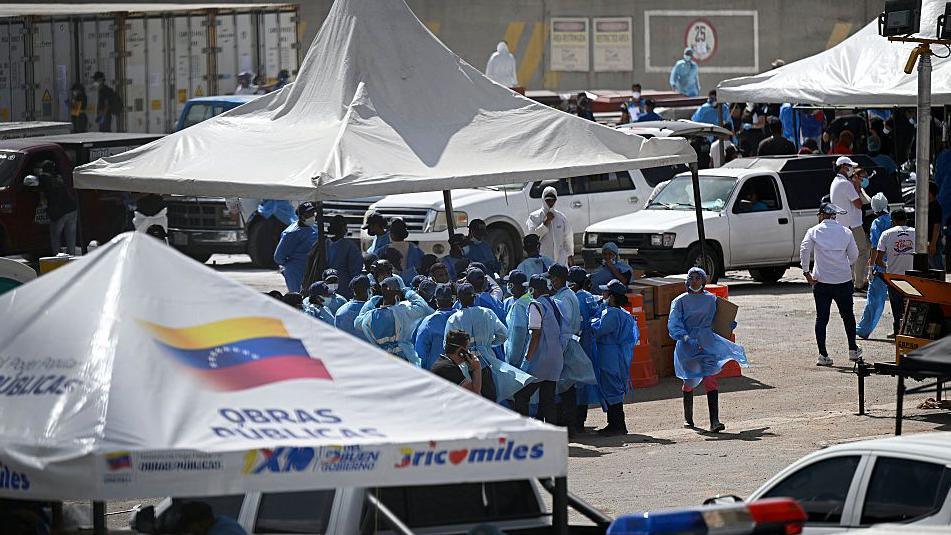
At a port storage site turned into a temporary morgue in La Guaira, Venezuelan families endure long waits to confirm the deaths of their relatives, while officials scramble to identify bodies amid devastation.
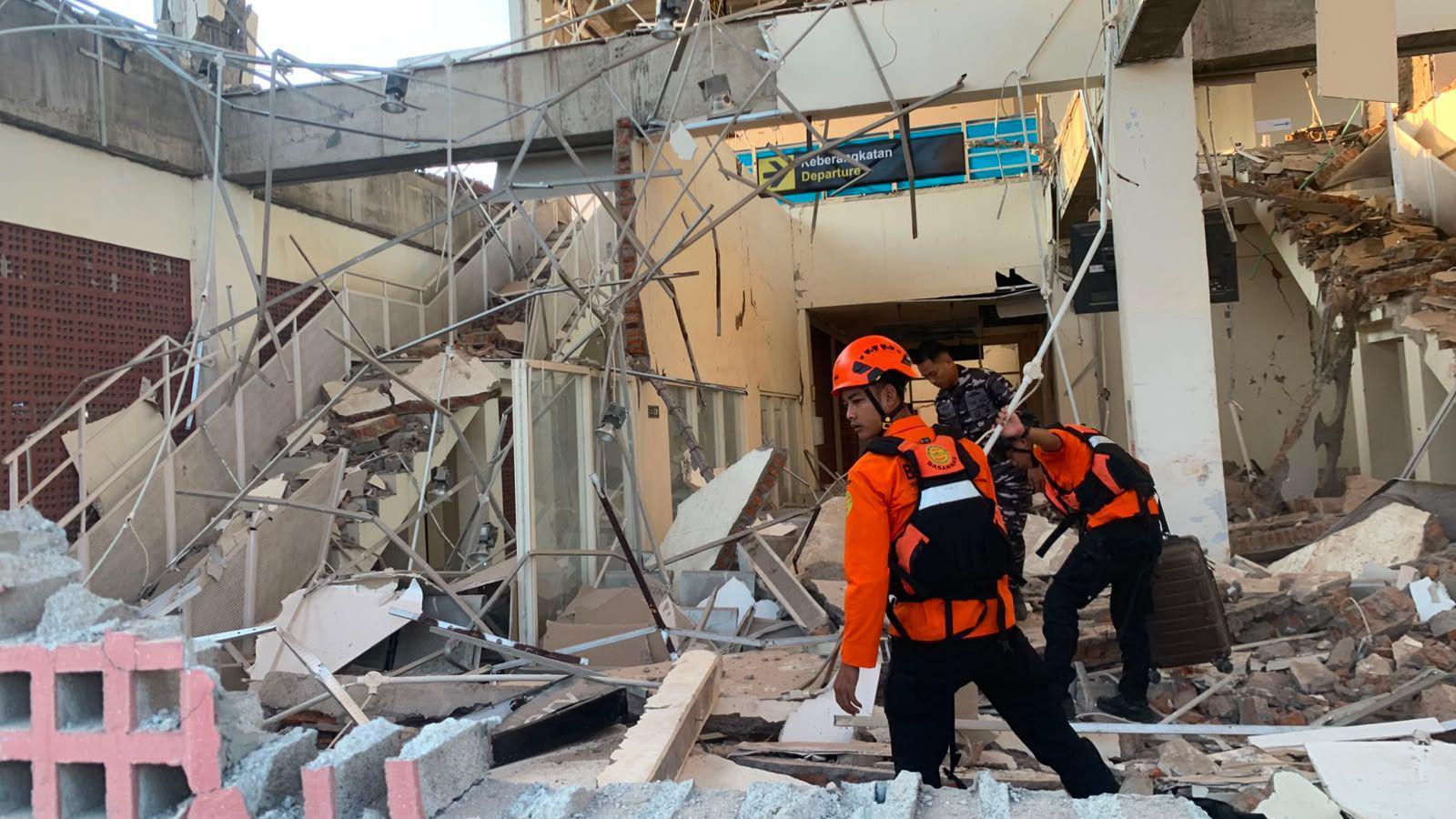
In the aftermath of twin, 6.4‑meter tremors, more than 2,600 people have perished in Venezuela. The scale of the disaster has stretched local services, requiring improvisation: rows of plastic‑bagged bodies, a tent that offers free cremation, and offices where forensic experts scan dental records to match bodies with missing‑person lists.
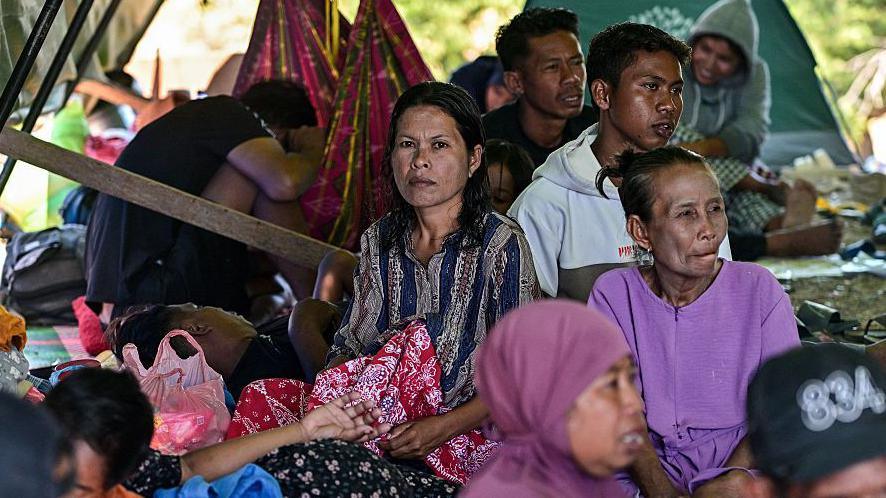
Families gather in rows of chairs both inside and outside the site, clutching photographs that flash across two television screens. A 60‑year‑old woman, Liliana González, waited hours looking for her nephew’s tattoo as a lifeline. With each scan, eyes widen in anticipation or break in sobbing when recognition appears.
The process is slow, often taking hours. Once a body is identified, fingerprints—if possible—are taken, and paperwork for death certificates begins. Only then can graves or cremation proceed, a solemn ceremony that can bring closure or haunts.
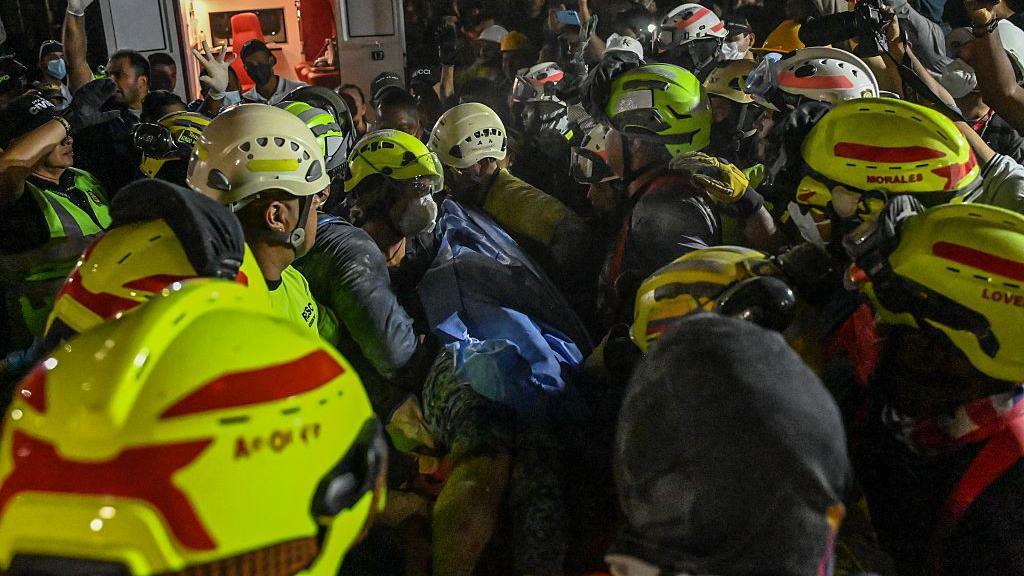
An armed guard maintains access to the morgue, while others wait outside. Modesta Alemán, traveling from Carayaca to search for her sister, found that families were told there were no survivors, yet voices cried from ruined buildings—a chilling reminder that many may not be found.
The desperation is palpable as a young man attempts to identify his mother against incomplete records: he said, “This is like a horror movie.” But the very act of identification, even if based on a single thread—a blanket, a tattoo—offers a fragile solace amid carnage.
For many, the morgue is a place of both remembrance and dread. Remaining families face the grim reality of repeated visits as each recovered body must endure the identification stage before burial.