In brief
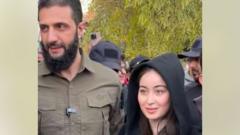
Ahmed al-Sharaa, the leader of the Sunni Islamist group Hayat Tahrir al-Sham (HTS), is facing scrutiny after a recent photo with a young woman sparked widespread discussion on social media about the implications for future governance in Syria. Following a tour in Damascus, Sharaa gestured for Lea Kheirallah to cover her hair before they took a picture together, which ignited diverse reactions from both liberal and conservative observers.
The incident raised alarms among liberal commentators who interpret it as a troubling indicator of potential Islamic governance in Syria after the ousting of Bashar al-Assad. They fear that HTS may enforce conservative dress codes similar to those imposed when the group first took control of Idlib province in 2017. On the other hand, conservative opponents criticized Sharaa for even being photographed with a woman in this manner, highlighting the deep divisions within Syrian society regarding women's rights and freedom.In an interview with the BBC, Sharaa stated that he did not coerce Kheirallah to cover her hair, asserting his right to have pictures taken in a manner suitable to him. Kheirallah herself defended the incident, characterizing Sharaa's request as gently made and suggesting that leaders have a right to present themselves as they wish.The controversy underscores the challenges that emerge in a country marked by a mosaic of religious beliefs and political ideologies. Sunni Muslims form the majority in Syria, with a mix of Christians, Alawites, Druze, and Ismailis populating the country. The spectrum of views among various factions resisting Assad ranges from dreams of a secular democracy to desires for legislation in accordance with Islamic law.This moment also highlights the complexities of public perception; critics have labeled Sharaa as projecting a burgeoning religious conservatism, while hardliners within HTS disapproved of his willingness to be photographed with a woman, even if she had complied with his request. The varied reactions reflect broader fears about the potential rise of an ultra-conservative rule and the challenges any leadership face in bridging the country's deep societal divides.The incident, viewed by many as an emblematic reflection of Syria's uncertain future, has prompted significant debate within the country and amongst commentators internationally, as the possibility of HTS enforcing stricter ideological mores continues to loom over the nation's evolving landscape.