In brief
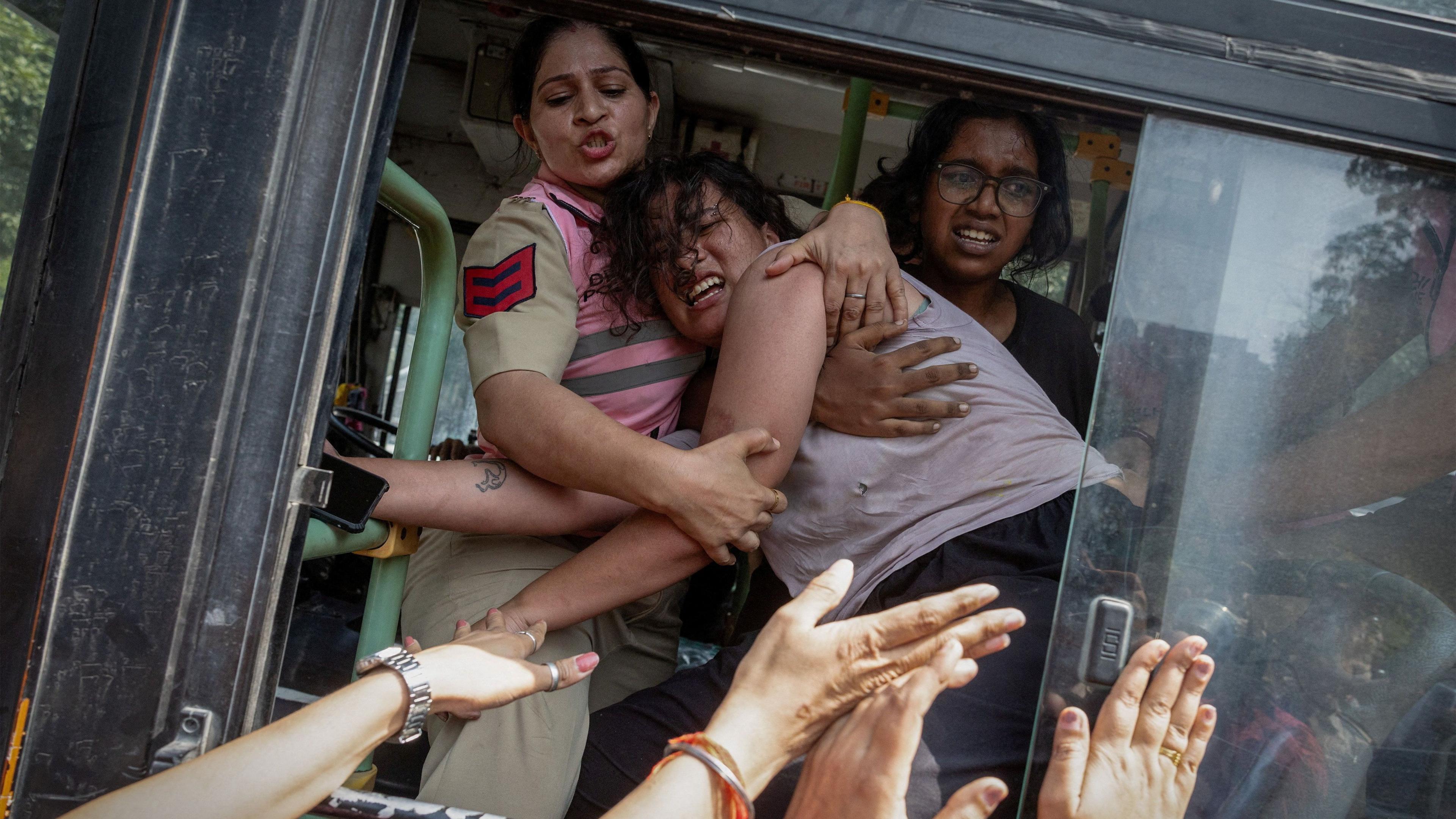
A Delhi court ordered the release of the top figures of the Cockroach Janta Party after a week of mass arrests, leaving the capital on high alert as police keep roads closed and barricades up. Seven thousand activists were detained Saturday, then freed late that night, while the movement demands electoral reform and the resignation of the Election Commissioner. With elections looming, the authorities have tightened security, shutting metro stations and main railway hubs. These events highlight the growing pressure from a youth‑driven protest that emerged from a viral tweet mocking a justice’s comment about “cockroaches”. The situation remains tense as the CJP plans further demonstrations.
A Delhi court last night freed the top brass of the Gen‑Z‑led Cockroach Janta Party (CJP), after seven thousand protestors were seized on Saturday and held overnight. The move comes as Delhi braces for a second day of demonstrations against electoral reforms and the resignation of Election Commissioner Gyanesh Kumar.
Police had shut down approx. 45 metro stops, closed major railway terminals, and erected concrete barricades around Jantar Mantar – the iconic square that had been the focal point of the flash‑mob that started in May. Despite these precautions, the police allowed a handful of demonstrators to reach the site before being swiftly pulled away by officers on the ground.
The CJP sprang from a viral Twitter (X) question by activist Abhijeet Dipke, who responded to a Chief Justice’s remark that some unemployed youngsters were 'cockroaches'. The movement quickly morphed into a nationwide campaign demanding cleaner electoral rolls and accountability. In February the commission announced a purge of 130 million voter names; supporters allege the culling favours the ruling BJP, a claim denied by the Election Commission.
The court’s decision to release Dipke, along with Saurav Das and Ashutosh Ranka, was conditioned on 'no breach of peace for one year', a clause that has left many observers puzzled about whether the leaders can openly rally. The CJP has already declared its intention to march again on Sunday.
For Delhi, the situation mirrors a virtual siege – boulevards plated, shops shuttered, and raw nerves frayed as the youth‑driven protest threatens to spill over into the city’s civic order. With state elections soon to commence, the CJP’s demands sit at the center of an escalating power struggle between a generational wave of discontent and a government determined to keep its grip tight.
Sources: Reuters, BBC, local police dispatches and motion capture from the protest sites.