
In brief
The European Union’s new biometric passport‑control system, introduced in October, has dramatically increased the time that travellers spend at border gates. At Rome’s Fiumicino Airport, UK nationals now wait up to 20 minutes, a stark rise from the previous 7 minutes. Aggrieved passengers recount hours‑long queues, and airlines such as Ryanair call for more flexibility. Airport officials, while pledging urgent fixes, highlight software glitches and the need for better integration between kiosks and e‑gates. The travel sector is demanding clearer guidance and faster processing to restore pre‑EES efficiency.
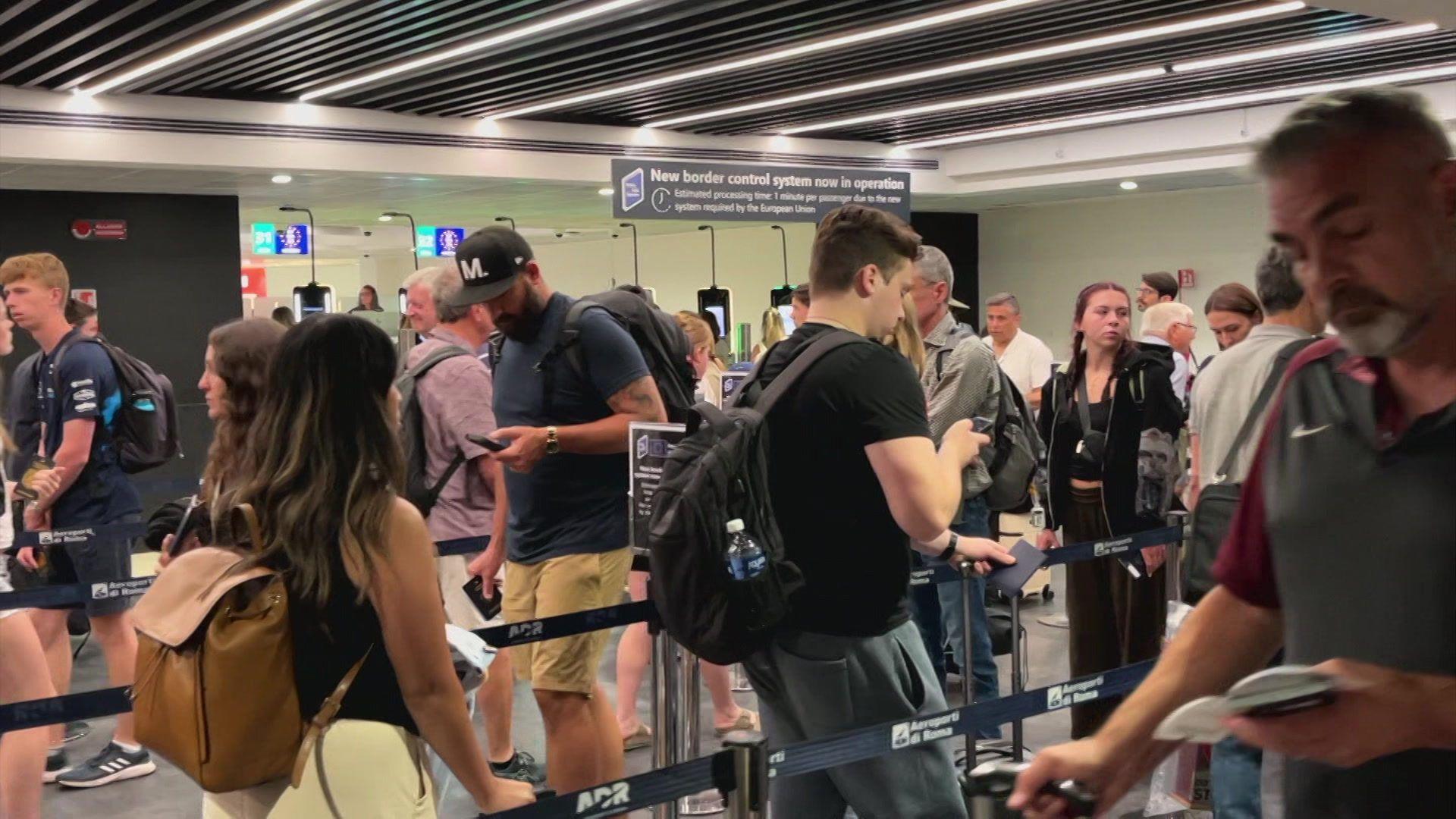
A new biometric passport‑control system designed to protect the EU’s borders has turned airport passport queues into waiting rooms. In Rome’s flagship Fiumicino airport, the Entry Exit System (EES) has more than tripled the time British nationals spend clearing the gate, now taking up to 20 minutes – a departure from the seven‑minute norm before the rollout.
Passengers arriving with children, roaming the city’s cobbled Piazza di Spagna, report two‑hour queues from plane drop‑off to exit. Claims of missed cars and delayed flights are now common. Ryanair spokespersons have urged UK travelers to allow extra wait time this summer and to be prepared for “unnecessary delays.”
Airport officials are pushing for urgent fixes. Chief Aviation Officer Ivan Bassato says that while the new e‑gates – which capture fingerprints and faces – have improved flow, they still cannot match earlier efficiency. “The duplication of processes and the complexity of the system” the airport’s head admits, “means we are still far from the quality of the pre‑EES era.”
The system’s glitches are not confined to Italy. In Portugal’s Faro airport, border inspector Pedro Oliveira reports that early 10‑minute queues have ballooned into 30‑minute waits. System crashes – a single malfunction in Warsaw’s server can ripple across all EU airports – have become less frequent but remain a concern.
The European Commission claims disruptions are “limited” and pledges continued support for member states. Yet travelers and airlines demand more realistic expectations, including the ability to suspend the process during peak times. Meetings held this month pushed no change, leaving airports scrambling to recruit additional staff and to streamline biometric data flow.
The Union’s e‑registration app, still used by only Sweden and Portugal, could provide a solution. Wider adoption would reduce dependency on ground‑based kiosks. As the EES rolls out across 29 Schengen states, the debate intensifies: does the cost of €12m per airport justify minutes lost by millions of travelers?
Image: Queues line the gate as travellers await biometric checks at Rome’s Fiumicino airport.

