
In brief
The director general of Paris’s iconic tower announced he will leave after a scandal erupted over the removal of female employees during a visit by a Hindu group that requires women to be excluded from certain areas. The incident forced the tower’s closure as staff marched in protest, prompting condemnation from French lawmakers and raising questions about gender discrimination in public spaces. The setting‑up of the visit was criticised as a failure of the management’s duty to protect all employees. While the organisation defending the delegation claimed the segregation benefited women, feminist activists and officials argued that such practices are discriminatory and incompatible with modern values.
Eiffel Tower chief to quit after female staff replaced by men during religious visit
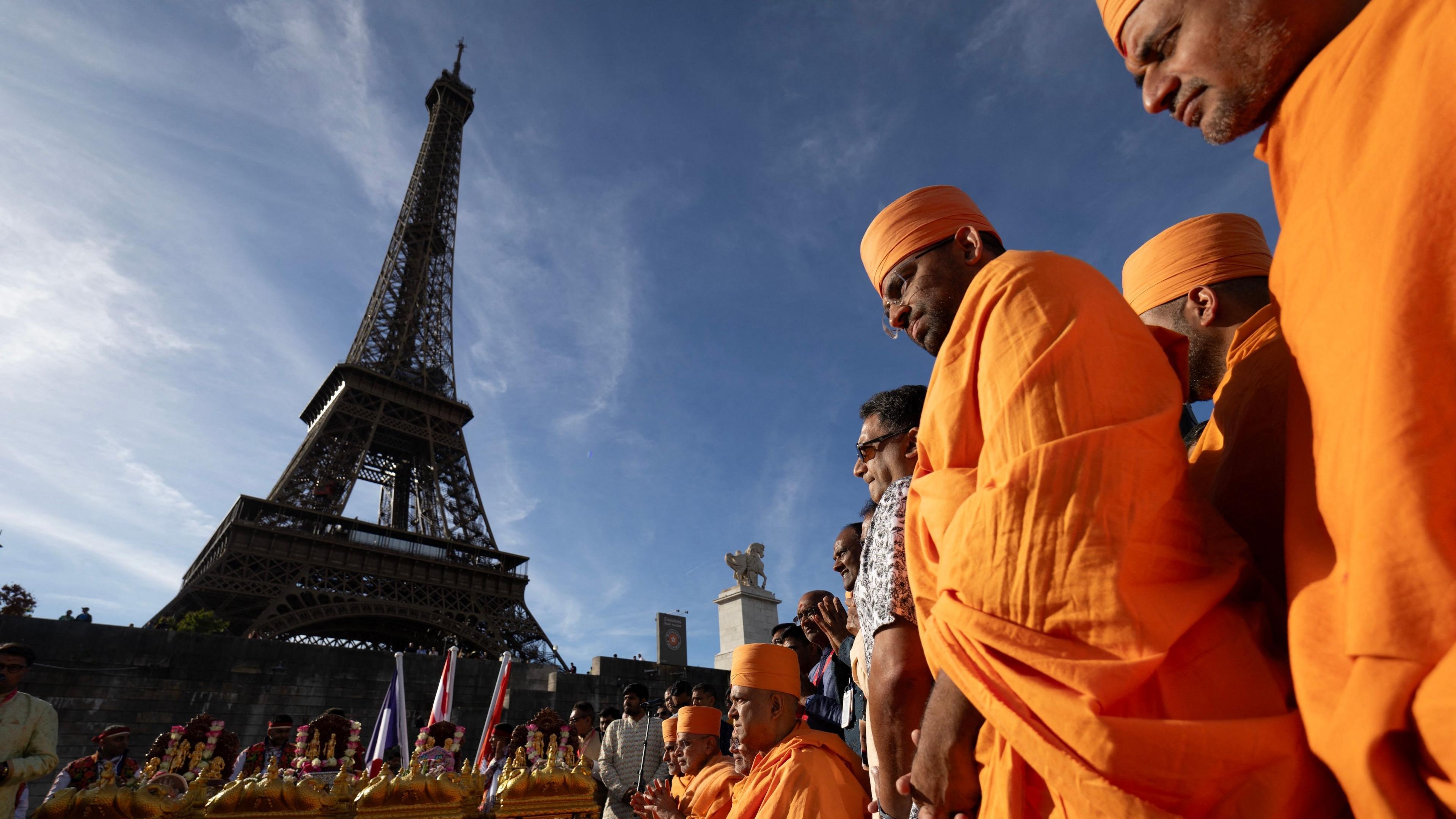
Patrick Branco Ruivo, who has run the Paris landmark since 2018, has announced he will leave the post by the end of this year after a controversy erupted over the removal of female employees during a visit by the Bochasanwasi Akshar Purushottam Swaminarayan Sanstha (BAPS) delegation.
SETÉ, the company that operates the tower, said an internal review found that “operational flaws and shortcomings” led to the “unacceptable” replacement of women with male colleagues. The replacement happened because BAPS – a Hindu movement that strictly separates men and women in all temple activities – had requested the visit be arranged so “women could not interact” with the delegation.
Employees reported that women were asked to leave their stations and prevented from crossing certain areas. The measure sparked a walk‑out, forcing the tower to close for a few days. Parliamentarians and the mayor of Paris condemned the decision, calling it unjust and absurd. The French National Assembly’s president Yaël Braun‑Pivet said she would not permit women to be stopped from working in order to satisfy foreign visitors.
In response, SETÉ chair Ariel Weil pledged to introduce gender‑equality training and to ensure the leadership transition is smooth. The resignation adds to a growing debate on the role of religious customs in secular public venues.
BAPS has apologised for any pain caused, asserting that its segregation policy is in the best interest of women. Critics argue that such 18th‑century beliefs have no place in today’s world and that keeping women out infringes on equal rights.
Read on for expert analysis and community responses coming in real time.


