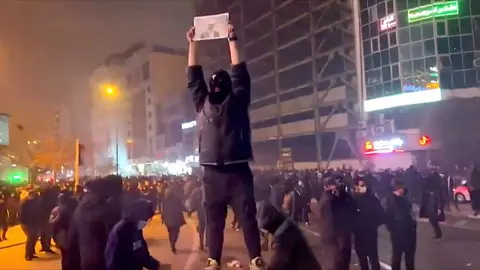
Omid, a protester in southern Iran, described the chilling moments as security forces opened fire into crowds of demonstrators, leaving many wounded or dead. He spoke of a brutal regime that attacks unarmed citizens with assault rifles while protestors responded with chants and bare hands. Eyewitnesses from various regions in Iran report extensive violence during protests sparked by economic difficulties, with many families losing loved ones to the crackdown.
The Iranian authorities have imposed internet restrictions, making it difficult for reports to emerge and for eyewitness testimonies to circulate freely. Despite this, accounts continue to reveal a terrifying scene of death and despair. A young woman from Tehran referred to last Thursday as the day of judgement where widespread protests filled even the remote neighborhoods, only to be met with deadly force the next day.
The Iran Human Rights group estimates at least 648 protesters have been killed since the unrest began, but other sources suggest the actual numbers may be much higher. As UN officials express concern over the excessive violence, the regime maintains its stance against dissent, accusing foreign powers like the U.S. and Israel of inciting unrest.
In a stark contrast to those in power, protesters continue to face lethal violence with little more than their voices echoing against a backdrop of gunfire. Eyewitness accounts reveal that security forces wield unchecked authority, resulting in thousands potentially dead as hospitals struggle to handle the influx of injured citizens. While the regime claims to restore order, the landscape of fear and resistance marks a pivotal moment in Iran’s ongoing fight for human rights.
The Iranian authorities have imposed internet restrictions, making it difficult for reports to emerge and for eyewitness testimonies to circulate freely. Despite this, accounts continue to reveal a terrifying scene of death and despair. A young woman from Tehran referred to last Thursday as the day of judgement where widespread protests filled even the remote neighborhoods, only to be met with deadly force the next day.
The Iran Human Rights group estimates at least 648 protesters have been killed since the unrest began, but other sources suggest the actual numbers may be much higher. As UN officials express concern over the excessive violence, the regime maintains its stance against dissent, accusing foreign powers like the U.S. and Israel of inciting unrest.
In a stark contrast to those in power, protesters continue to face lethal violence with little more than their voices echoing against a backdrop of gunfire. Eyewitness accounts reveal that security forces wield unchecked authority, resulting in thousands potentially dead as hospitals struggle to handle the influx of injured citizens. While the regime claims to restore order, the landscape of fear and resistance marks a pivotal moment in Iran’s ongoing fight for human rights.