In brief
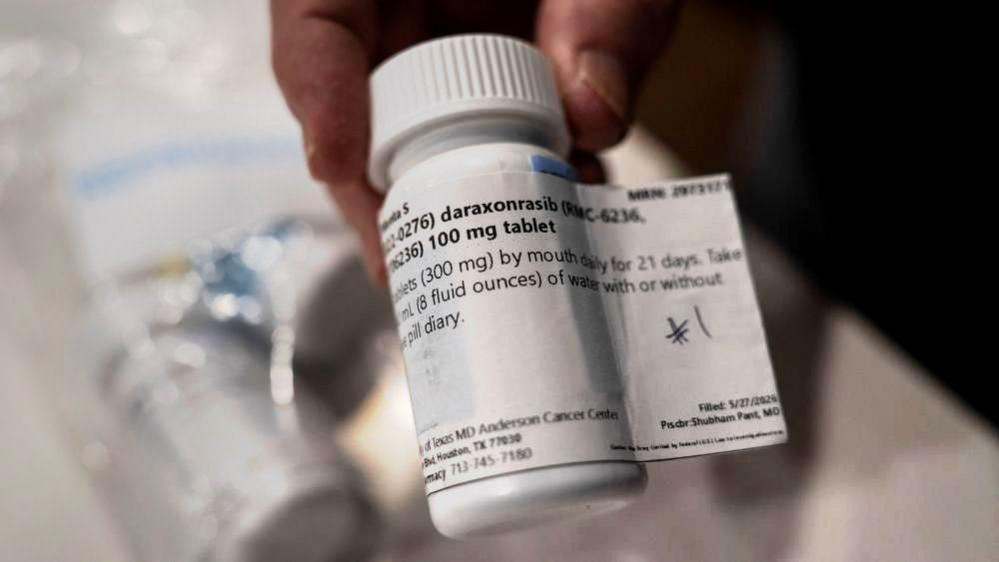
The U.S. Food and Drug Administration has approved daraxonrasib (Rasonque), a once‑daily pill that targets the KRAS gene mutation present in most pancreatic cancers. In a late‑stage trial, the drug more than doubled the average survival time, raising it from 6.6 months with standard chemotherapy to 13.2 months. The FDA granted the medication a Breakthrough Therapy designation and moved the approval six months ahead of the regulatory deadline. Common side effects include rash, diarrhea, and nausea – less severe than traditional chemotherapy. The approval offers a vital new option for patients facing one of the country's deadliest cancers.
In a landmark approval, the U.S. Food and Drug Administration gave the green light to daraxonrasib, sold under the brand name Rasonque, on Friday.
The decision follows a late‑stage clinical trial of 500 patients that found the drug more than doubled overall survival time: patients on the daily pill lived an average of 13.2 months compared with 6.6 months for those receiving standard chemotherapy.
Daraxonrasib works by binding to the mutated KRAS gene – a driver mutation that appears in over 90% of pancreatic tumors – shutting it off and preventing cancer spread.
The FDA highlighted the drug’s potential as a “critical new option for patients facing an extraordinarily difficult and historically hard‑to‑treat cancer.” It also noted that patients treated with daraxonrasib experienced fewer severe side effects (44%) than those on chemotherapy (57.5%), with the most common reactions being rash, diarrhoea, nausea, fatigue and vomiting.
This approval comes six months ahead of the standard regulatory deadline after the drug was granted Breakthrough Therapy status in 2025, a distinction that accelerates review for high‑need treatments.
The news has already sparked hope among patients. Ben Sasse, the former U.S. senator who disclosed a Stage‑4 diagnosis in December, is enrolled in a clinical trial and reported tumours shrinking after starting the medication.
Source: BBC News, 26 August 2026