Forgotten Punjabi Soldiers Finally Honoured After Decades of Search
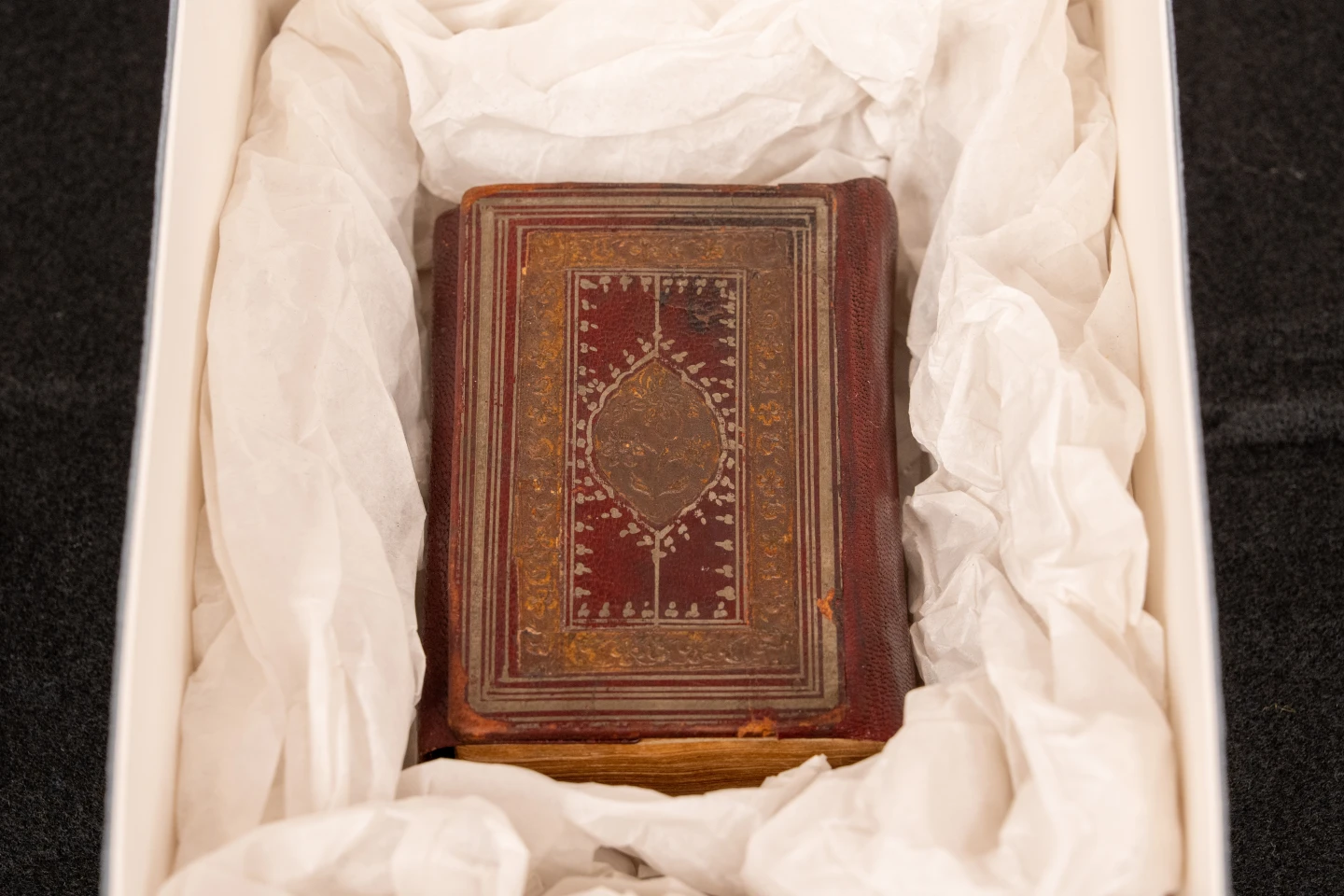
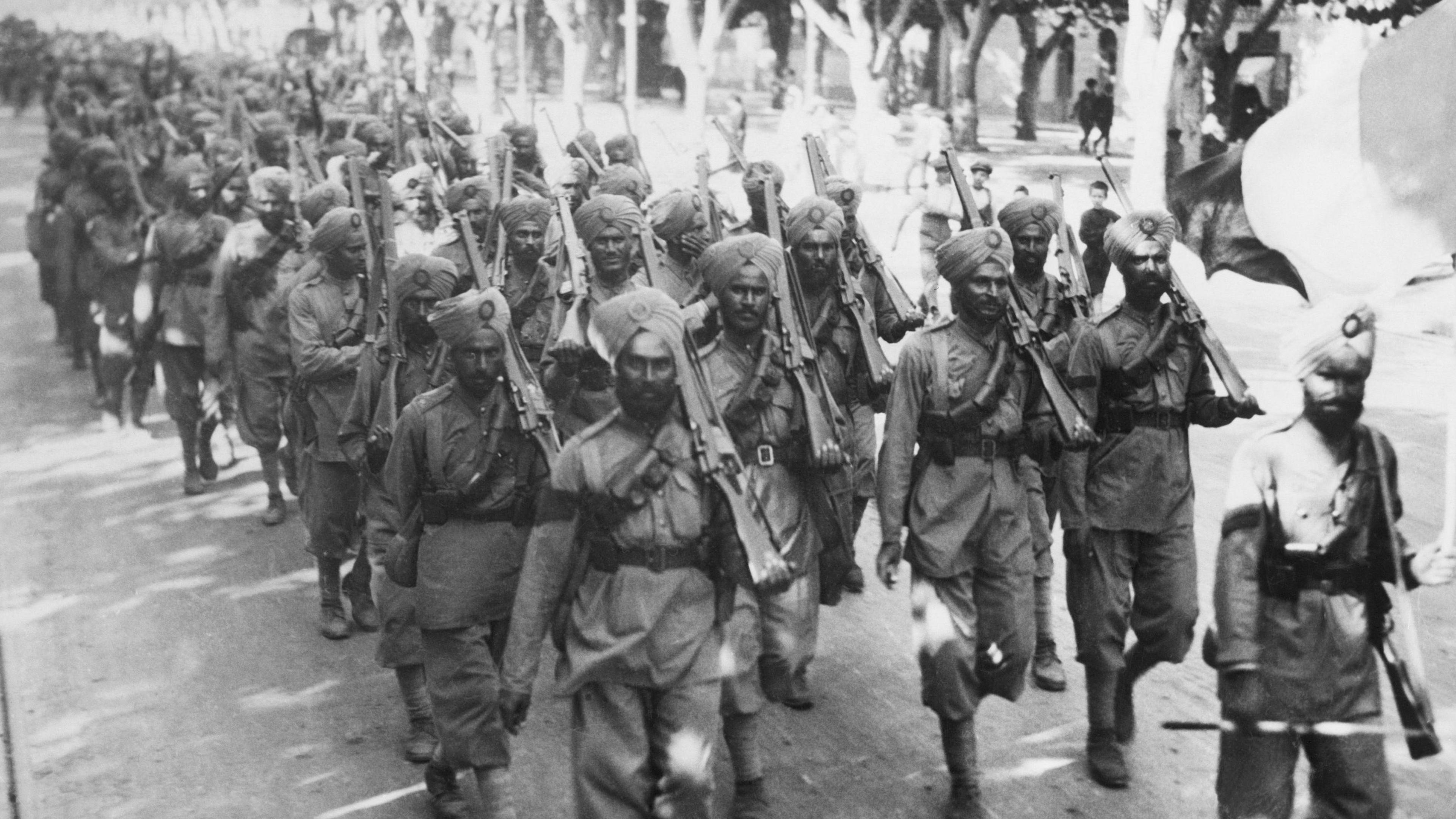
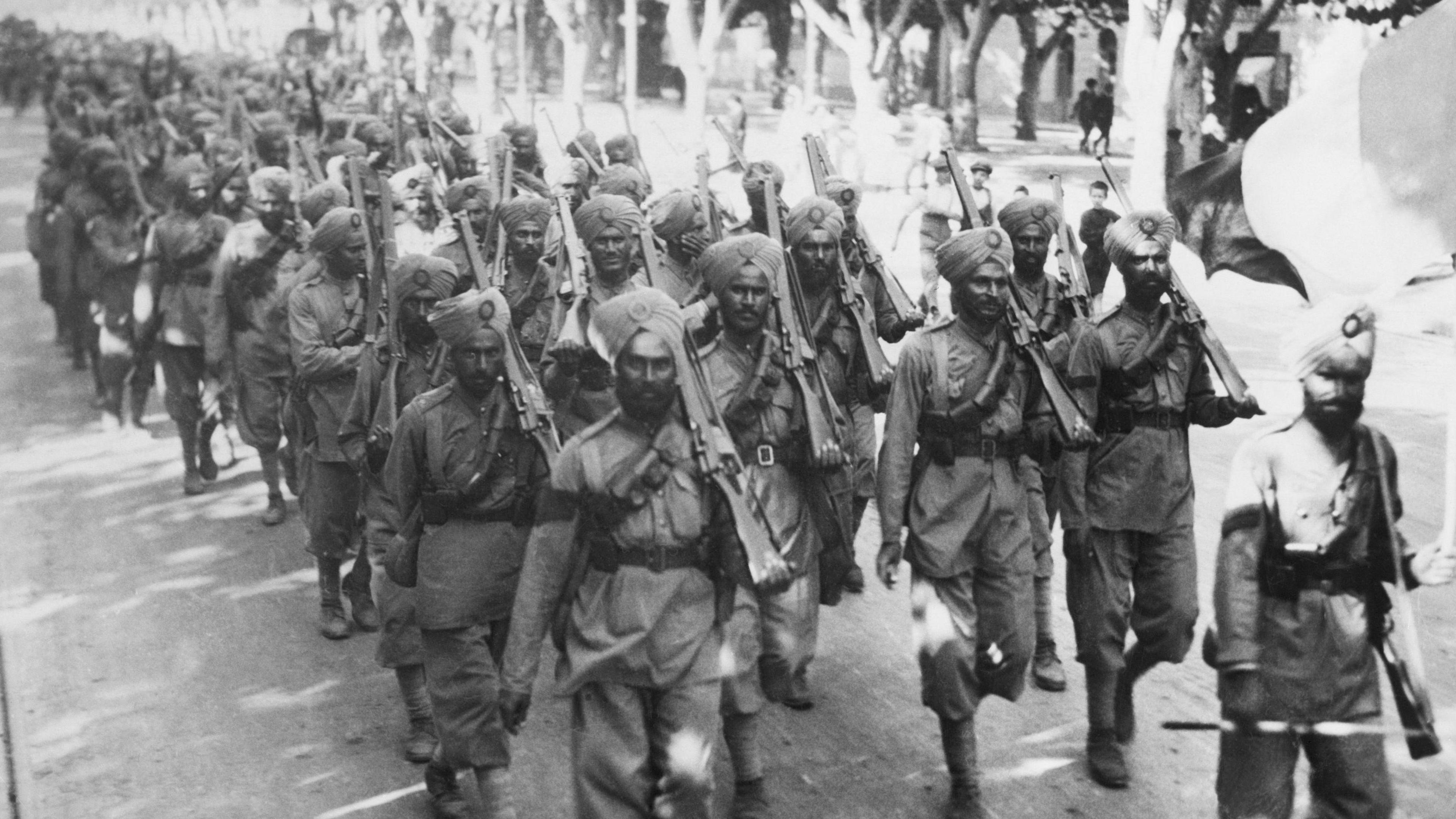
After years of painstaking research, almost 10,000 soldiers from pre‑partition Punjab who served and died in World War One are now officially recognised by the Commonwealth War Graves Commission. The names were uncovered from leather‑bound registers housed in the Lahore Museum and have been added to the CWGC casualty database, marking the largest update to its records since the war that August.
The initiative began when volunteers from the UK Punjab Heritage Association, working in partnership with historians, digitised the original village registers compiled across Punjab after the war. Thousands of fragile volumes, each stamped with a village name, were copied and scanned, allowing researchers to extract names that had long been missing from official lists.
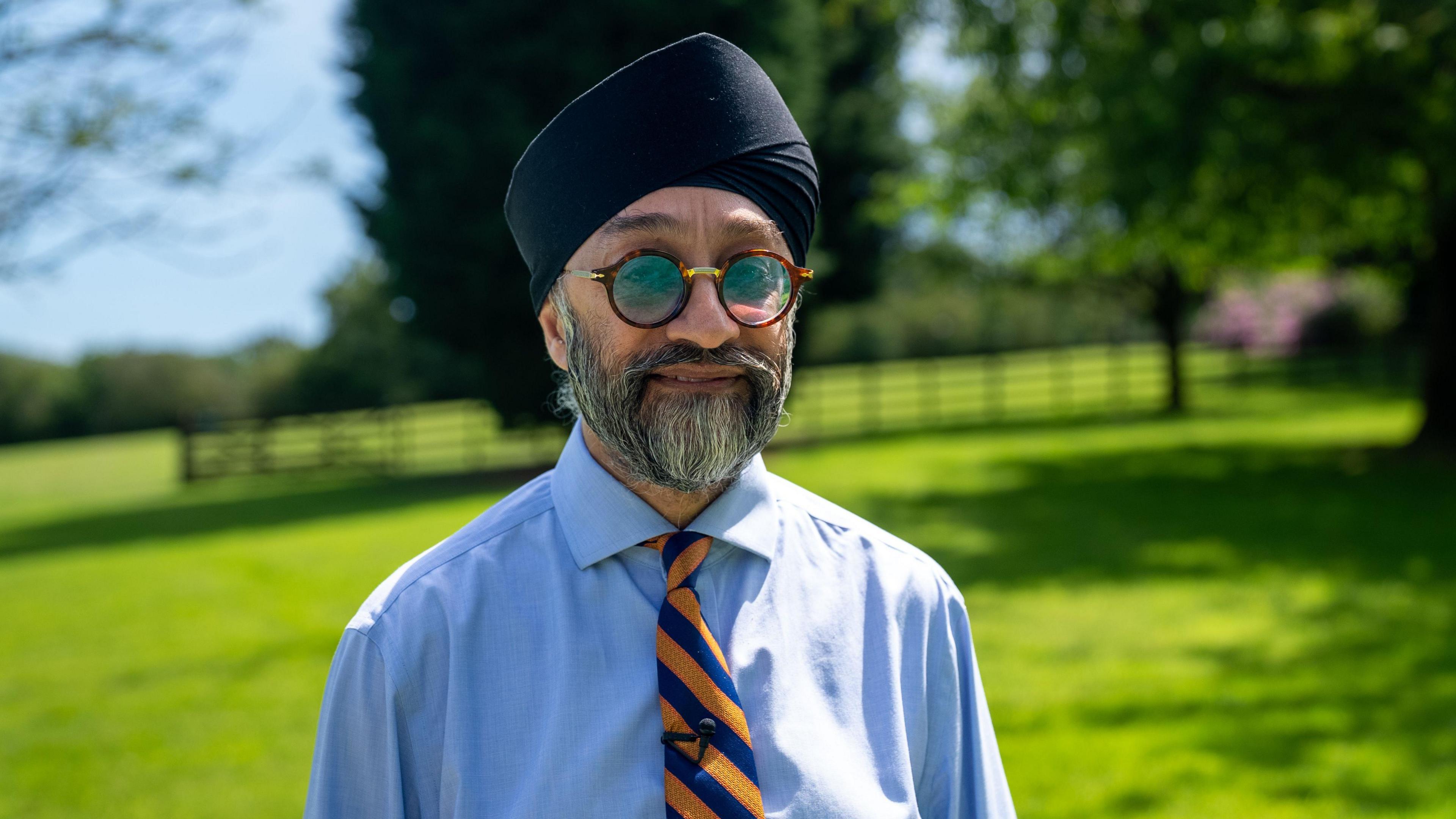
Among the newly recognised dead is Kesar Singh, a great‑grandfather of dentist Sunney Palahey from Leicester. The confirmation of Singh’s service and death allowed Palahey to finally add his ancestor’s name to the CWGC, a moment he described as “completing a circle” and creating a tangible link to his heritage. Palahey’s story illustrates the personal significance of the project for families whose histories had been obscured for more than a century.
Historians noted that the omission of Punjabi casualties stemmed from wartime policies that denied war‑grave status to soldiers who died away from the battlefield. The new entry list now honours a diverse group: roughly a quarter are Sikh, a quarter Hindu and about forty per cent Muslim, reflecting the true demographics of the British Indian Army.
“The update isn’t just about adding names to a list,” said a CWGC official. “It’s part of a broader effort to correct Euro‑centric narratives and acknowledge the global reality of World War One.”
These efforts underscore the importance of ongoing historical research and the need to recognise the contributions of colonial troops in global conflicts. With this update, the Commonwealth War Graves Commission becomes the latest institution to expand its commemorative reach, offering a broader, more inclusive remembrance of World War One.