Fujisawa Faces Identity Clash as Japan Builds First Mosque
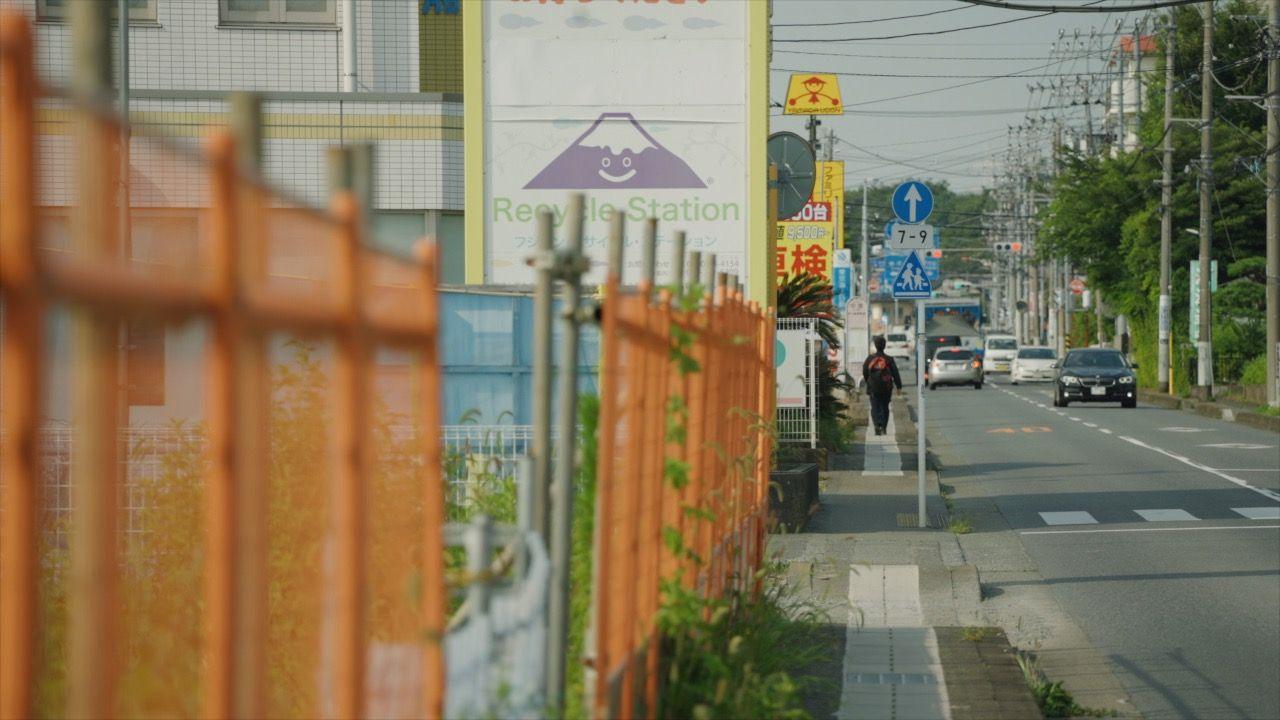
In the gentle seaside town of Fujisawa, a patch of grass is soon to become a place of prayer. The construction of Japan’s first mosque has turned even quiet streets into a flashpoint for debate about immigration, identity and the future of a nation at the crossroads of tradition and change.
“It makes me worry about how our community might change,” says Noriko Izumizawa, a resident who has lived in the area all her life. Her concerns echo those of neighbors who feel that a foreign religious site could alter the town’s sense of belonging.
Earlier this year, thousands of demonstrators poured onto the train tracks at Fujisawa Station in a display of opposition. They argued that a mosque, larger than the nearby Shinto shrine, would disrespect local culture. The protests were accompanied by a rise in hate speech on social media, with abusive comments delivered to mosque staff and the wider Muslim community.
Despite facing hostility, many residents and local businesses advocate for dialogue. Hiroki Suzuka, who runs a coffee shop on the road next to the site, calls for greater understanding and notes, “The first step is to learn about them, what Islam is, and what values they hold.”
Being Muslim in Japan
For Muslims living in Japan, experiences vary. Mohamed Mohideen, a Sri Lankan businessman in Osaka, noted that while past decades saw fewer foreigners, today’s residents face greater hostility. He recalls online comments such as “Get out of Japan” and in-person shouts that have worried the community.
Mohideen stresses the importance of patience and openness: “We stay calm, speak gently, and treat them kindly because Japanese people generally do not know much about Islam.” He points out that Muslims have, for a long time, ignored the call for public engagement, and he hopes to change that by fostering dialogue.
In Yashio, another slow‑moving example of Muslim integration, 61‑year‑old Shakeel Mohamed, a former construction supervisor, works to follow all Japanese rules—from garbage sorting to wearing helmets on bicycles. He observes that while a minority of Pakistani residents sometimes behave poorly, the majority of Japanese and foreign residents follow the norm. “Courtesy matters,” he says.
Immigration vs. Identity
Japan’s demographic crisis forces it to confront questions of identity. By 2025, the foreign resident population surpassed 4 million, mainly from China, Vietnam, South Korea and the Philippines. The country’s population fell by nearly one million, yet the labor shortage remains severe.
Officially, Tokyo’s government reserves for “stealth immigration”—providing temporary visas but remaining wary of large‑scale immigration. In June 2026, the government announced a fivefold hike in visa fees to curb the influx, and plans to increase staff at the Immigration Service. The short‑term push‑back is followed by a longer‑term attempt to limit residents and protect national cohesion.
For residents like Izumizawa, though she has never personally experienced harassment from a Muslim neighbor, the anxiety is real. “Maybe I just fear the unknown,” she admits. Now, Japan finds itself at the juncture of keeping a homogeneous sense of culture while allowing for a growing religious and ethnic diversity.
This story is part of a growing series that examines how Japan’s slowing demographic trends, labor shortages and cultural questions intersect, and how communities like Fujisawa may become the first places of change or resilience.