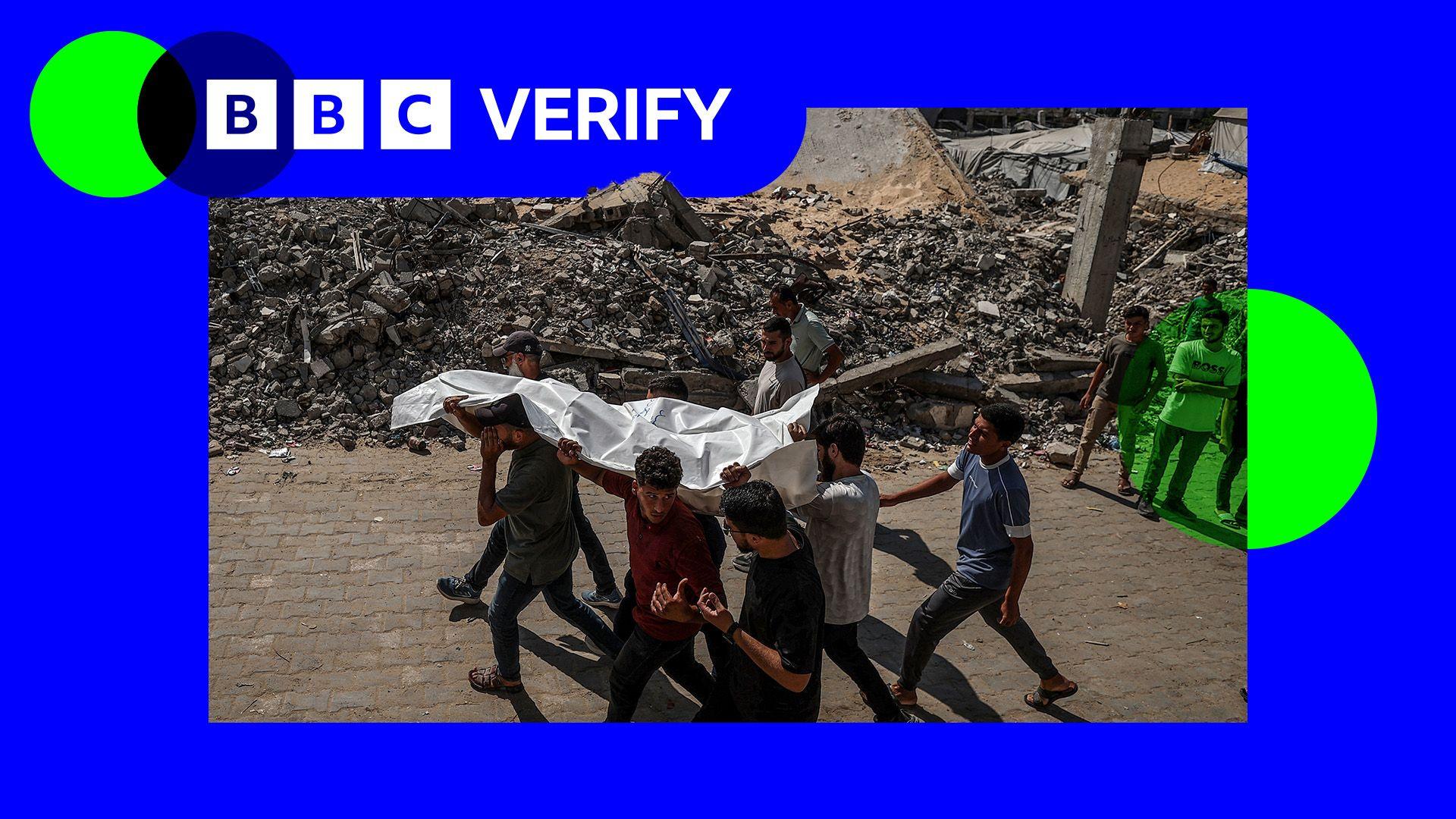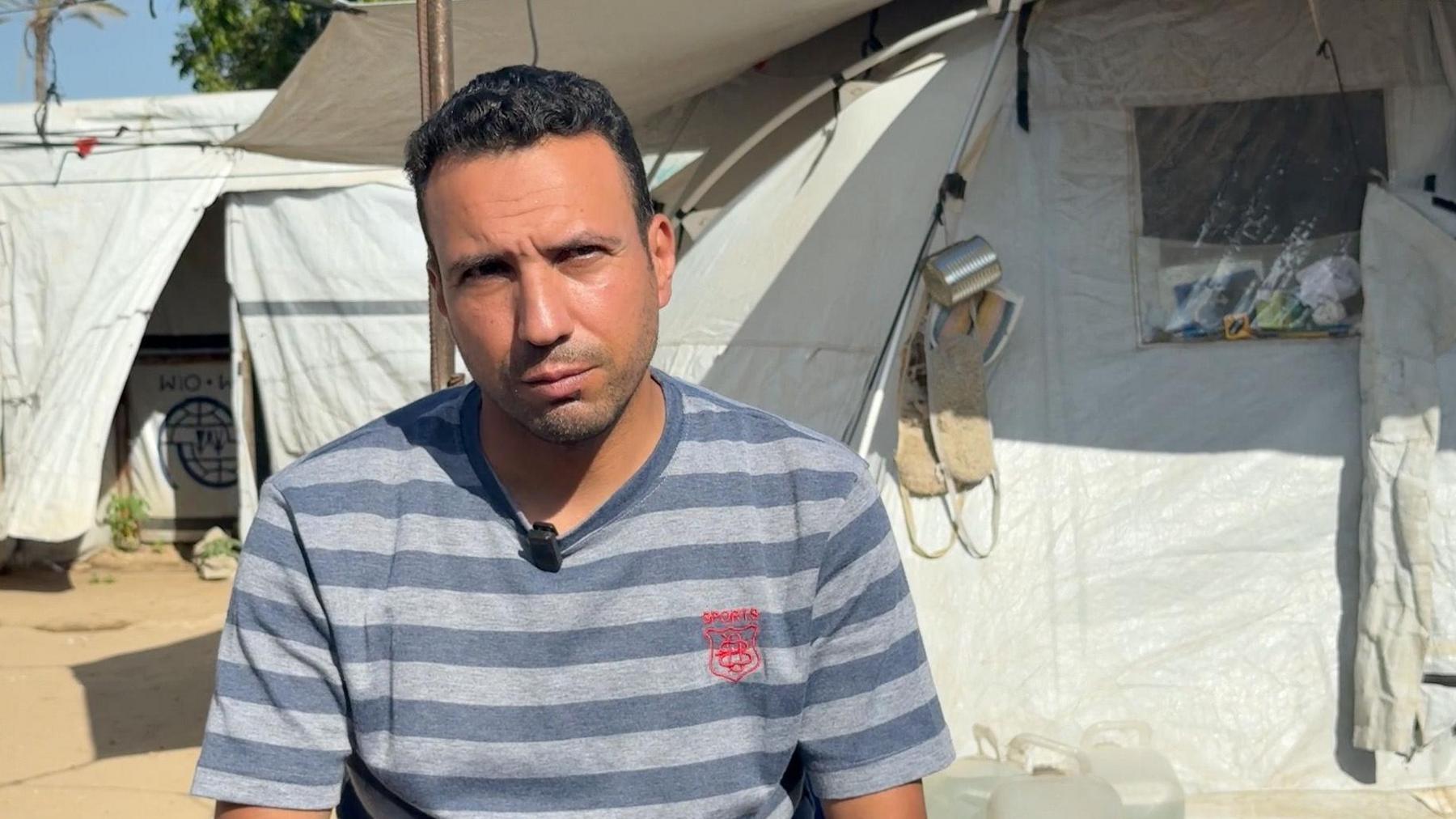
Amina Abu al‑Kas, a mother of Saber, fell far from relief after Gaza’s medical board approved her transfer abroad. She died on 29 May while parents held on to the hope that the board’s clearance would soon permit departure.
Saber, aged twenty, has lived under the shadow of a war‑torn health system. While he waited, he saw her suffer pain that no local medicine could quell, and felt the weight of the failure that could come at any moment.
Gaza’s hospital staff report that a growing list of patients—more than fifteen thousand—await evacuation. Each name is a reminder of clinics that lack drugs, equipment, and, increasingly, power.
Doctors say the main obstacles are security checks, limited crossing permissions, and a shortage of accepting host‑countries who are unclear about which patients they support.
The World Health Organization says almost two thousand people have already left Gaza for treatment, but unlimited times are still needed to move the entire list.
The Ministry of Health tells that fuel provision for hospitals has improved but new generators cannot yet be brought in, and that supply lines continue to be tightly controlled by the occupying power.
Families report that desperation drives some to pay “agents” large sums for relief, while the WHO warns that such scams can exploit their fear.
From Gaza’s war‑demolished streets to his child’s bedside in an overcrowded ward, Saber’s story underscores that a patient in Gaza experiences a world of urgency unseen elsewhere.