
In brief
With acute food shortages and healthcare disruptions, pregnant women in Gaza are experiencing increasing rates of complications, including underweight babies and a lack of essential medical supplies, leading to significant maternal and infant mortality risks.
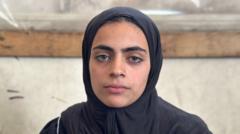
Amid a devastating war in Gaza, the harsh realities of pregnancy and childbirth are starkly visible. Newborns and pregnant women are facing the brunt of appalling conditions caused by the Israeli blockade and relentless bombardments, with dire consequences for maternal and infant health. The United Nations reports that 1 in 10 newborns is underweight or born prematurely as food shortages further exacerbate the already critical situation.In Nasser hospital situated in southern Gaza, fear grips mothers like Malak Brees, seven months pregnant and anxious about the potential for premature birth. Losing amniotic fluid due to malnutrition has placed remarkable stress on her pregnancy, leaving her fate uncertain. She reflects on the dire warnings from doctors about the impact of inadequate nutrition on her baby's development, making a heartfelt plea for divine intervention.The ongoing blockade, implemented on March 2, has resulted in a staggering depletion of medical resources, cutting off access to essential supplies such as painkillers and hygienic products. This scenario forces some women to give birth without proper medical care, often in makeshift shelters. While hospitals are receiving an influx of patients, the capacity for neonatal intensive care remains critically limited due to the bombardment of health facilities.The psychological toll on expectant mothers is profound, as many lack regular prenatal care, compounding their anxiety about childbirth under such precarious circumstances. Dr. Ahmad al-Farra from Nasser hospital expresses anguish over the dire state of the mothers; their heightened fears about their babies' health and their own insufficient nutrition speak to an unparalleled crisis in maternal care.The real heartbreak is amplified by stories of mothers like Aya al-Skafi. After struggling with malnutrition, her daughter Jenan succumbed at just four months old due to lack of formula and nourishing resources, a tragic reality for many in Gaza as the conflict escalates. Aid workers are striving to support breastfeeding amid a significant increase in maternal health needs, with organizations like the Gaza Infant Nutrition Alliance offering guidance amidst the chaos.The psychological impacts do not spare anyone, as families are torn apart by the realities of war. Reports of maternal deaths and infant mortality rise as some women, like Jomana Arafa, face the unimaginable. After receiving the joy of childbirth, tragedy strikes when her family is killed in an airstrike just days later, leaving behind a community mourning lost hopes.In Gaza today, the miracle of new life has become a symbol of survival against overwhelming odds. As mothers grapple with the inadequacies of their reality, the fresh cries of newborns now echo with an urgency for both survival and humanitarian aid in this escalated conflict.

