Hamas Names Khalil al‑Hayya as New Overall Leader Amid Shifting Dynamics
In a landmark development, the Palestinian militant organization Hamas has elected khalil al‑hayya as its overall leader, according to an internal statement released by the group. Al‑Hayya replaces Yahya Sinwar, the senior commander who was killed by an Israeli operation in Gaza in October 2024.
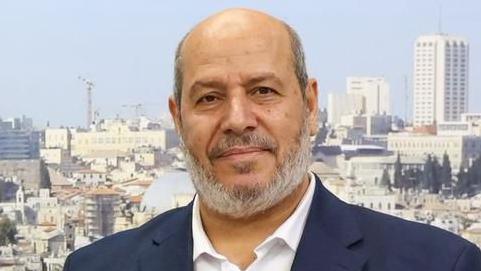
Caption: Khalil al‑Hayya survived a 2025 Israeli air strike in Doha.
Al‑Hayya, who had already been acting as the group’s leader in Gaza while in exile, has been perceived as the hard‑line faction that emerged after the long‑standing war with Israel intensified in 2023. A close ally of the late Sinwar, he is regarded as continuing the political line initiated by Ismail Haniyeh decades earlier.
During the recent leadership contest, al‑Hayya was seen as the more militant voice, advocating for a continued stance against Israeli pressure to disarm. In contrast, Khaled Meshaal—once the political bureau chief of Hamas—represented a more moderate viewpoint seeking a pragmatic political approach post‑war.
The election followed two rounds of voting. In the first round both candidates were close, but neither achieved the required threshold of 36 votes from the 69‑member electoral college. Malformed votes led to a runoff, in which al‑Hayya secured the winning majority.
Impact on Hamas’ Strategy and Middle‑East Dynamics
Under al‑Hayya’s leadership, Hamas is expected to maintain its insistence on retaining armed capabilities, citing no guarantee of political gains without a comprehensive move towards Palestinian statehood. The group has also denied Israel‑led peace initiative plans that prioritise immediate demilitarisation.
Simultaneously, the Palestinian leadership’s basic military and political backbone has been severely weakened by the Gaza war—killing senior commanders, dismantling internal structures, and crippling infrastructure. These conditions have amplified internal tensions between radical and pragmatic factions.
The status quo contraction, coupled with recurring Israeli airstrikes—including the fatal 2025 Doha operation in which al‑Hayya survived—highlights the fragile security calculus that Hamas faces. Meanwhile, the international community continues to pressure for concessions, while Hamas demands concrete security guarantees for the Palestinian territories.
The new succession marks a critical juncture for the organization; the world will watch closely to see if al‑Hayya’s hard‑line stance will intensify violence or trigger a shift towards political negotiation, shaping the future trajectory of the Israel‑Gaza conflict.