
In brief
The Hungarian parliament has voted to amend its 2021 child protection laws, scrapping a ban on the portrayal or promotion of homosexuality and transgenderism. The repeal marks a significant rollback of Viktor Orbán’s hard‑line policies, and it coincides with the release of €4.2 bn of EU funds that had been frozen during the former government. LGBTQ and human‑rights groups welcomed the change but urged that further reforms—such as recognition of same‑sex marriage, adoption rights for gay couples and name‑change freedom for transgender people—be pursued. While the ruling Fidesz‑aligned party opposed the amendments, the new Prime Minister Péter Magyar’s coalition is taking steps to undo decades of discriminatory legislation. The decision comes as Budapest Pride proceeds this year without the restrictions that beleaguered the event in 2025.
The Hungarian parliament has approved amendments that effectively strike down the 2021 child protection law, which had prohibited the portrayal or promotion of homosexuality or transgenderism in media and education. The move follows a broader initiative by the new Péter Magyar government to reverse policies introduced during Viktor Orbán’s tenure, and it coincides with the European Commission unlocking €4.2 bn of funds that had been frozen during the former administration.
The previous legislation had the ripple effect of limiting LGBTQ content in schools, the press and public events, culminating in a ban on the Budapest Pride march in 2025 that was nonetheless held with little restriction. LGBTQ and human‑rights activists welcomed the repeal as a victory for inclusion, while noting that further reforms—such as marriage equality, adoption rights for same‑sex couples and the ability for transgender people to change their legal names—are still required.
The new laws were part of a “package of reforms” that the Magyar administration has promised to dismantle the legacy of the Orbán government. Fidesz and the Christian Democratic party voted against the amendments, asserting that there is no place for the promotion of LGBTQ content in schools or the media.
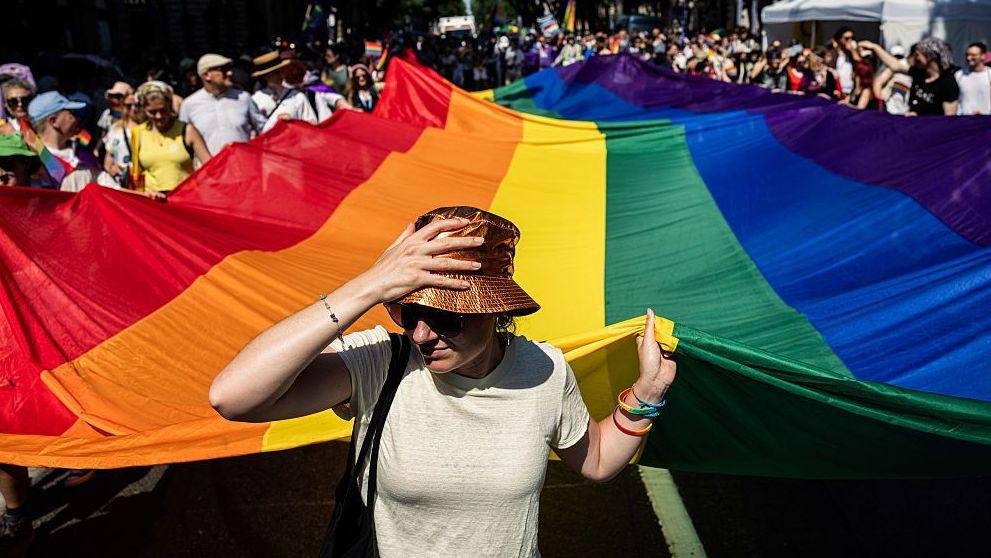
Local protests and marches, such as last year’s Budapest Pride which drew around a quarter of a million participants, will now operate without the legal hindrances that previously shadowed them. For many in the LGBTQ community, this legislative change signals a shift toward a more inclusive society, though activists stress that continued dialogue and policy development are essential to secure full equality under Hungarian law.



