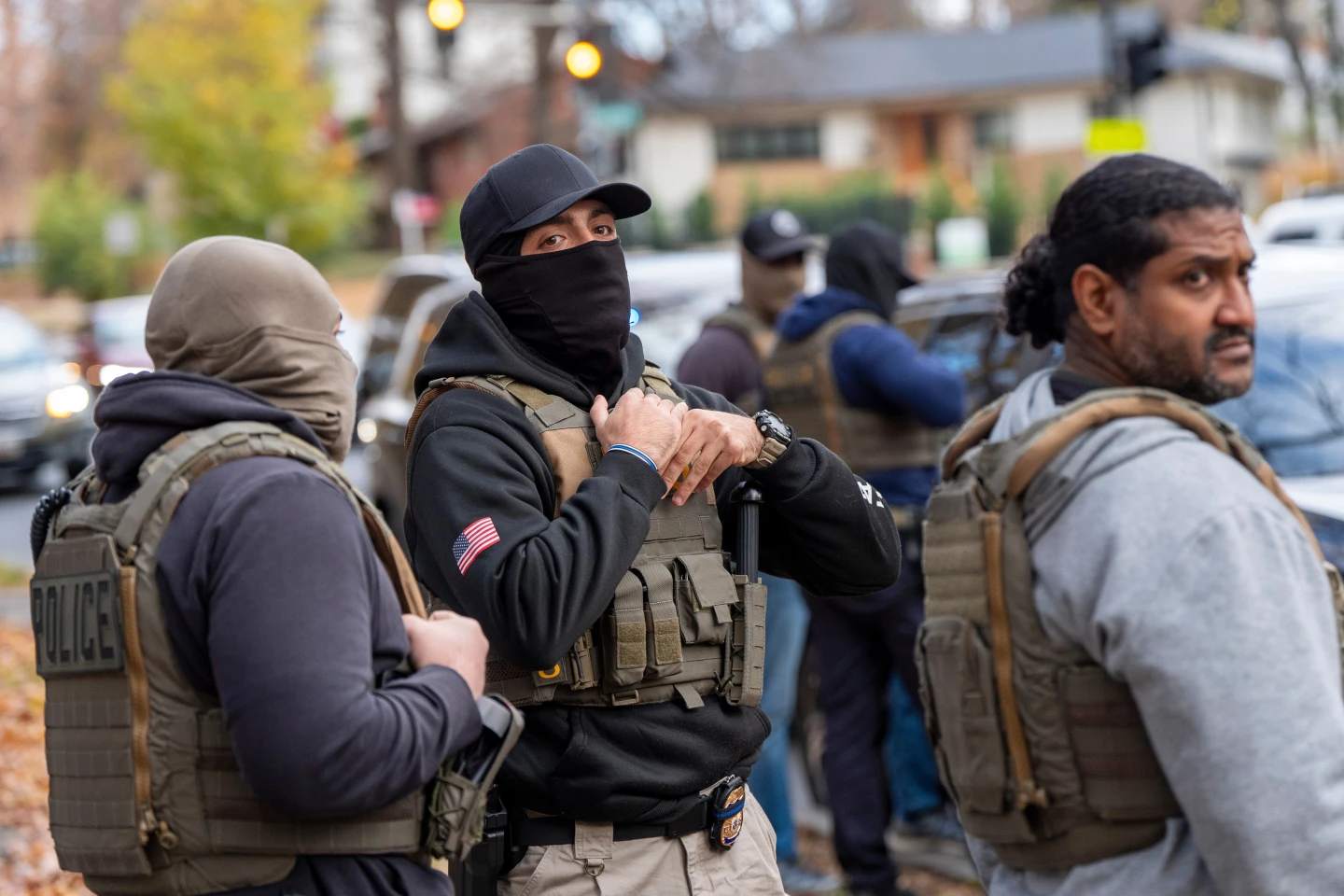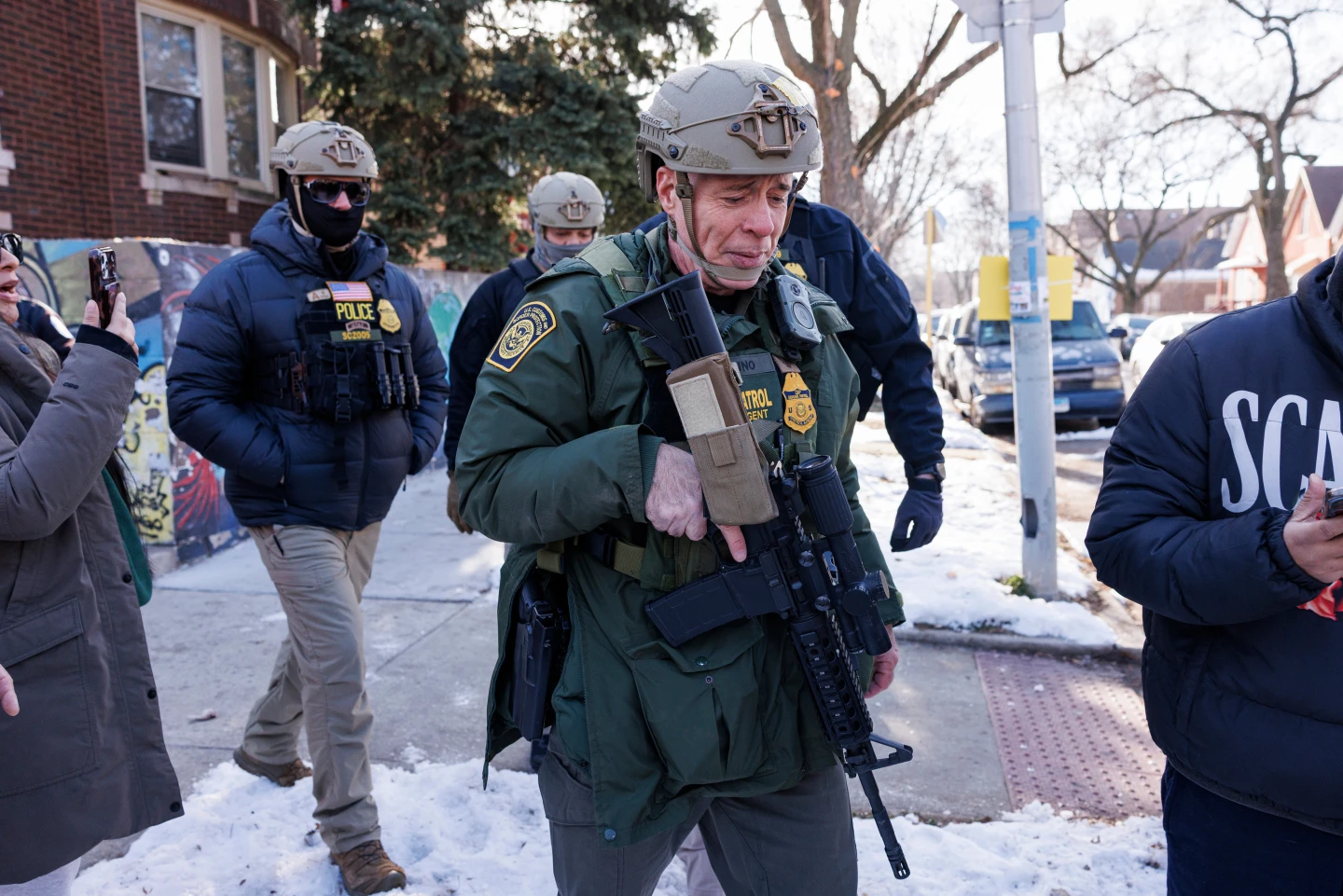
(SACRAMENTO, Calif.) — U.S. Immigration and Customs Enforcement (ICE) has rolled out a multi-million dollar advertisement initiative to recruit local police officers who feel constrained by their cities’ sanctuary policies on immigration enforcement. The campaign features a compelling narrative that calls on officers to join ICE in tackling threats posed by illegal immigration, with visuals showcasing familiar cityscapes and high-stakes ICE operations.
The campaign, which has exceeded $5.7 million in spending across various metropolitan areas, is part of a more extensive $30 billion push by ICE to hire an additional 10,000 deportation officers by the end of the year, significantly expanding its operational capacity.
ICE's current recruitment drive, initiated in mid-September, includes 30-second adverts broadcast in more than a dozen cities, including New York, Chicago, Seattle, and Atlanta. The reaching out campaign stresses the urgency of the anti-crime message, presenting ICE as a solution to local safety concerns that some argue remain unaddressed by sanctuary city policies.
However, the selection of targeted cities remains unclear and raises questions regarding ICE's strategy. Notably, some of these areas, such as Chicago and Boston, have openly criticized federal immigration enforcement policies, and city officials have voiced strong opposition to ICE's operations.
ICE's financial incentives for potential recruits, including signing bonuses as high as $50,000, further complicate the situation for local police departments that may be losing officers drawn to these new roles.
Local law enforcement agencies, most of which have not reported any immediate departures of officers to ICE, are concerned about the long-term impact on their recruitment efforts. The perception that ICE is actively recruiting from these municipalities amid federal budget strains adds another layer of tension in communities already divided over immigration policies.
In summary, as ICE enhances its outreach efforts, the broader implications for local police departments, recruitment challenges, and community relations are likely to fortify discussions surrounding immigration policy, public safety, and law enforcement collaboration in the coming months.
The campaign, which has exceeded $5.7 million in spending across various metropolitan areas, is part of a more extensive $30 billion push by ICE to hire an additional 10,000 deportation officers by the end of the year, significantly expanding its operational capacity.
ICE's current recruitment drive, initiated in mid-September, includes 30-second adverts broadcast in more than a dozen cities, including New York, Chicago, Seattle, and Atlanta. The reaching out campaign stresses the urgency of the anti-crime message, presenting ICE as a solution to local safety concerns that some argue remain unaddressed by sanctuary city policies.
However, the selection of targeted cities remains unclear and raises questions regarding ICE's strategy. Notably, some of these areas, such as Chicago and Boston, have openly criticized federal immigration enforcement policies, and city officials have voiced strong opposition to ICE's operations.
ICE's financial incentives for potential recruits, including signing bonuses as high as $50,000, further complicate the situation for local police departments that may be losing officers drawn to these new roles.
Local law enforcement agencies, most of which have not reported any immediate departures of officers to ICE, are concerned about the long-term impact on their recruitment efforts. The perception that ICE is actively recruiting from these municipalities amid federal budget strains adds another layer of tension in communities already divided over immigration policies.
In summary, as ICE enhances its outreach efforts, the broader implications for local police departments, recruitment challenges, and community relations are likely to fortify discussions surrounding immigration policy, public safety, and law enforcement collaboration in the coming months.