In brief
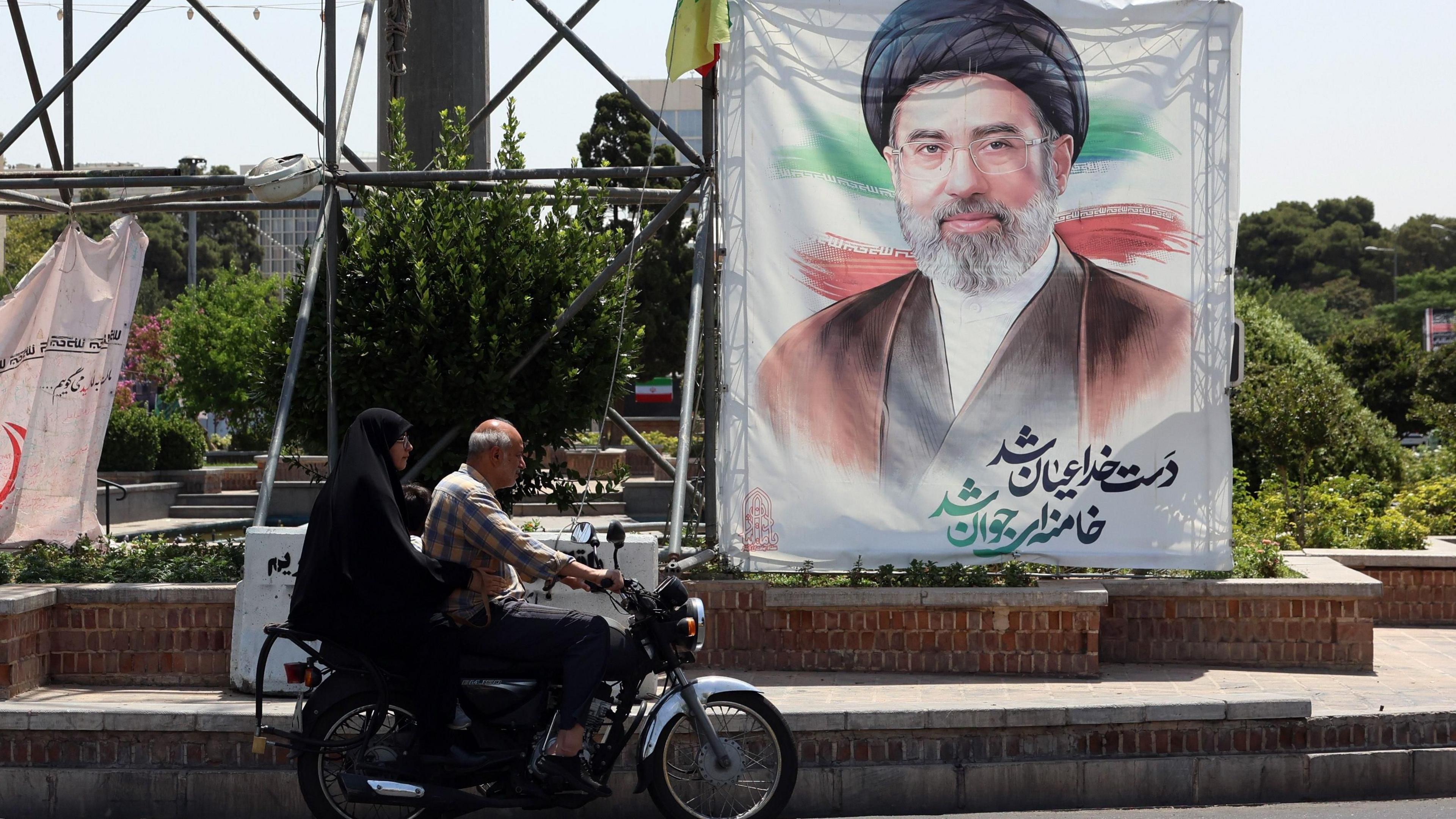
Ayatollah Mojtaba Khamenei has issued a stark vow of vengeance in the wake of his father’s death in a February air strike that sparked the Iran‑U.S. war. In a written message aired on state television, Khamenei declared that the nation’s will for retribution will be carried out regardless of who is on the sidelines. Funeral rallies for Ali Khamenei featured cries to assassinate U.S. President Donald Trump, while reports from Washington suggest Tehran may have devised a plan to target the U.S. leader. The Supreme Leader’s summons comes amid escalating hostilities, with Iran spamming the Strait of Hormuz and the U.S. advancing aggressive strikes. The tone of the speech signals a hardening of Iran’s stance, with promises of retaliation that could further inflame regional tensions.
Ayatollah Mojtaba Khamenei – the acting head of Iran – issued a statement read on state television that announced a promise of revenge for the deadly air strike that killed his father, former supreme leader Ali Khamenei, on 28 February. The statement, which appeared the first time in public since the funeral ceremonies began, declares that “the will of the nation” will pursue vengeance, and that it will be carried out regardless of whether his leadership team is present.
The Supreme Leader framed the vow as a sovereign response to what he called a “criminal and disgraced killers” – hinting at the U.S. and Israel’s role in the original strike that set off the current conflict. He added, “We pledge to avenge the blood of the martyred leader and all the martyrs of these two wars from the criminal and disgraced killers.”
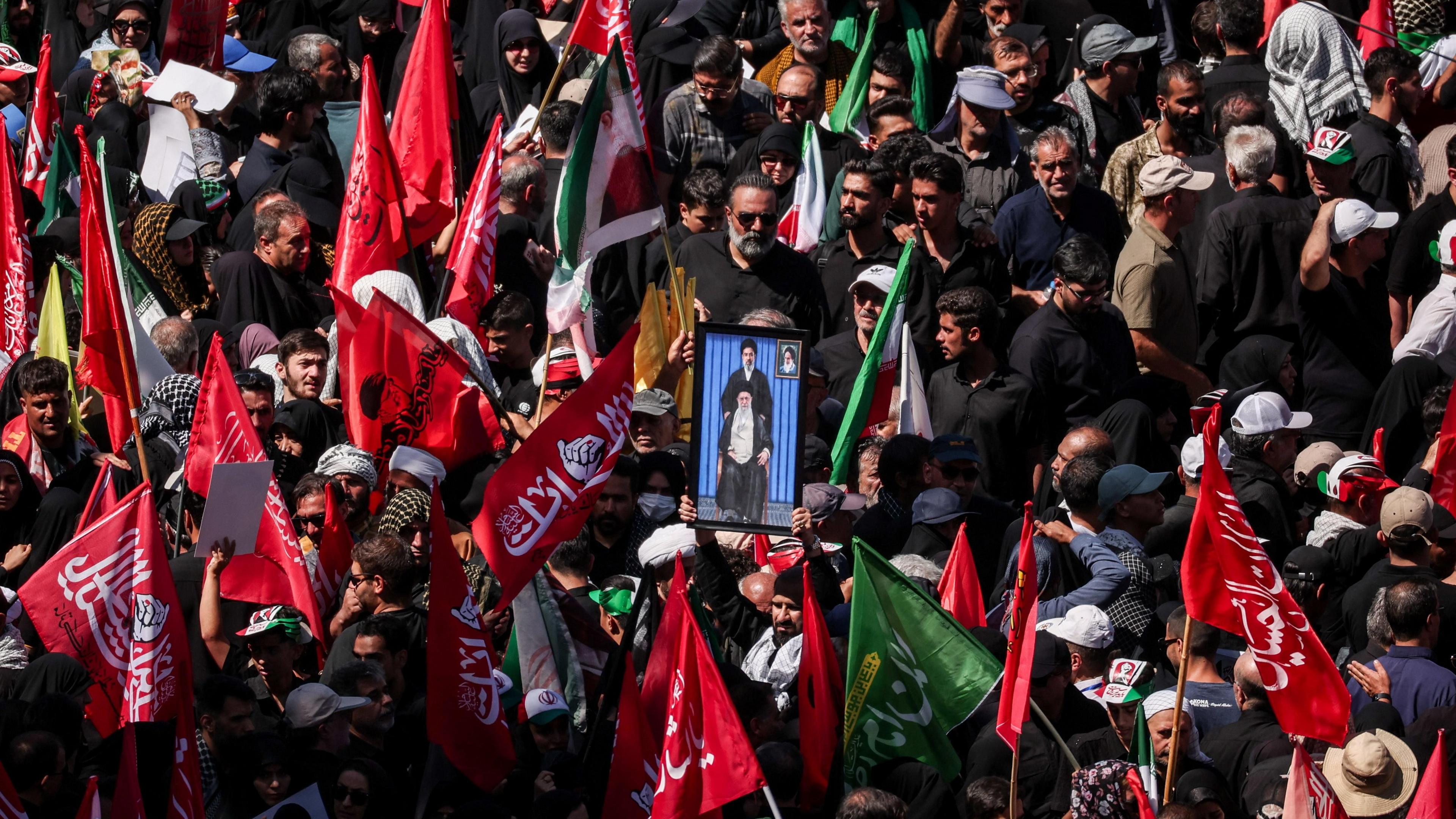
During the funeral rites held in Mashhad, mourners carried placards demanding the assassination of U.S. President Donald Trump. Reports emerged that Tehran had already examined intelligence that suggested a plan to target the U.S. president, a claim Trump rejected outright in an interview with the New York Post, saying he had been on Iran’s “kill list” for a long time.
The state’s message comes amid a spike in U.S. and Iranian hostilities. After the initial fire on 28 February, Iran retaliated against Israel and U.S. assets in the Gulf, leading to a temporary ceasefire signed in June. Nevertheless, attacks on commercial vessels and further bombing of U.S. targets have reignited the conflict, prompting further artillery exchanges and prompting concerns about the opening of the Strait of Hormuz.
The Iranian Supreme Leader’s call to “speak and act” and the sobering demonstrations for his father’s burial signal a hardening tone that could spark a series of retaliatory exchanges. The international community watches closely as the next steps from Tehran and Washington could dictate the future stability of the region and the security of global shipping lanes.