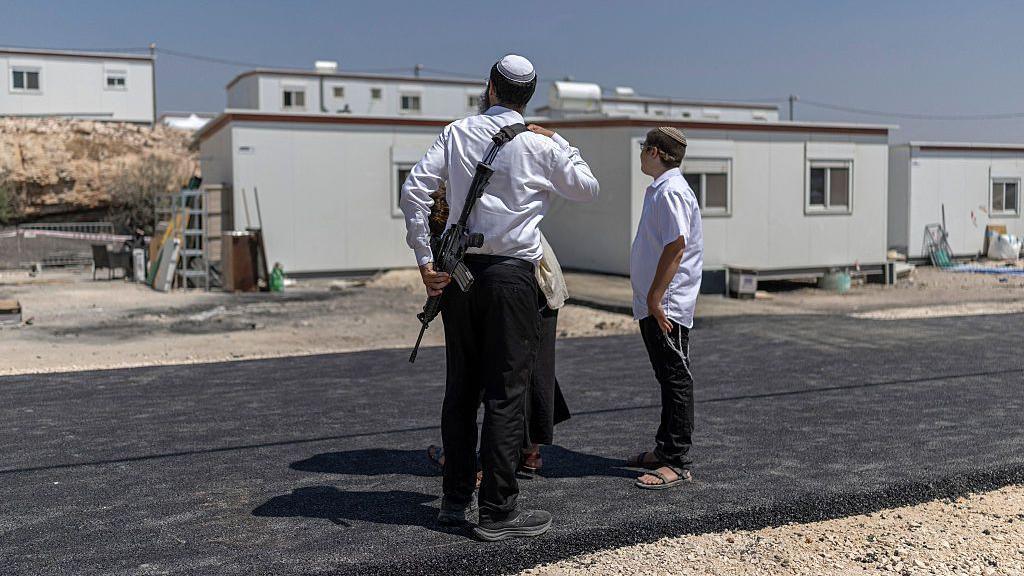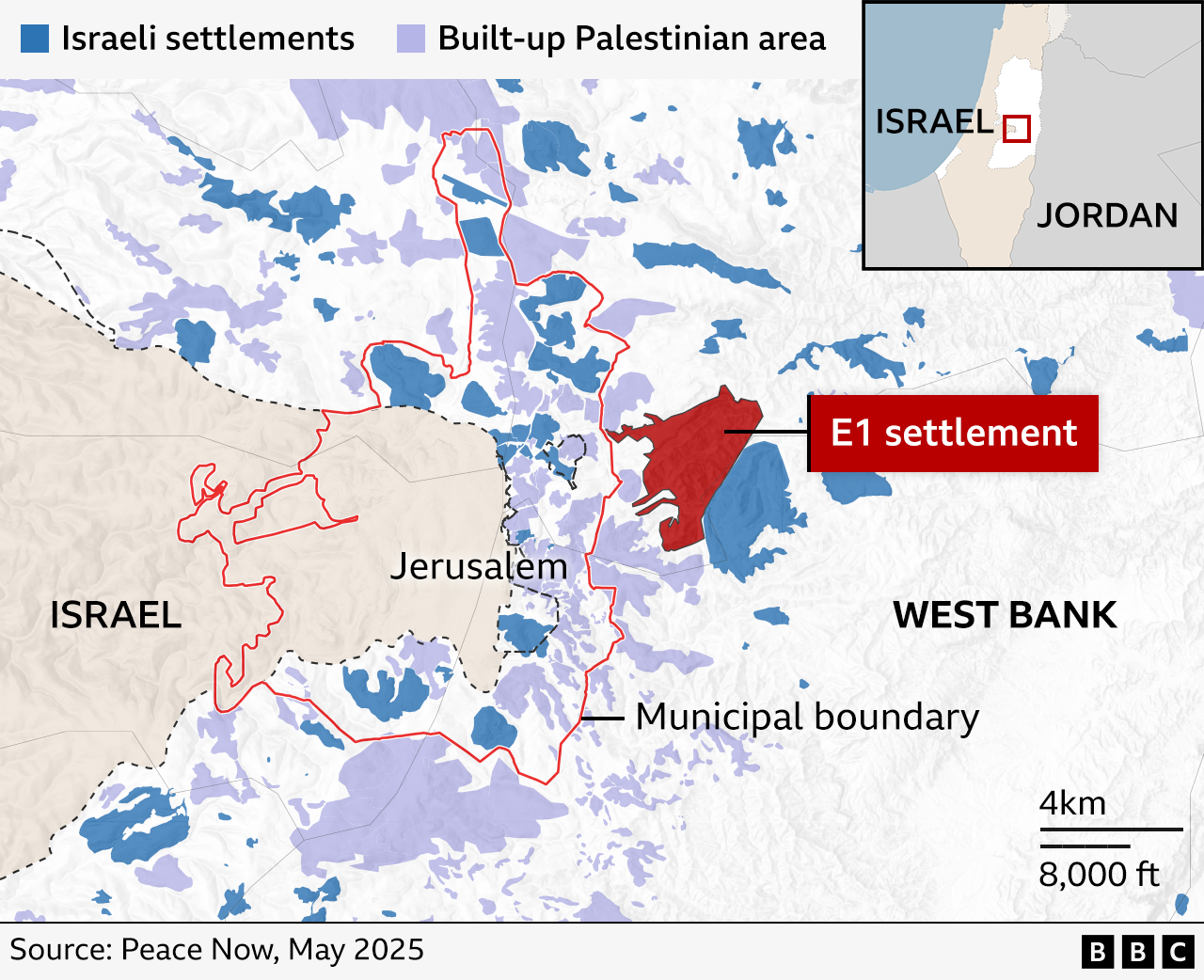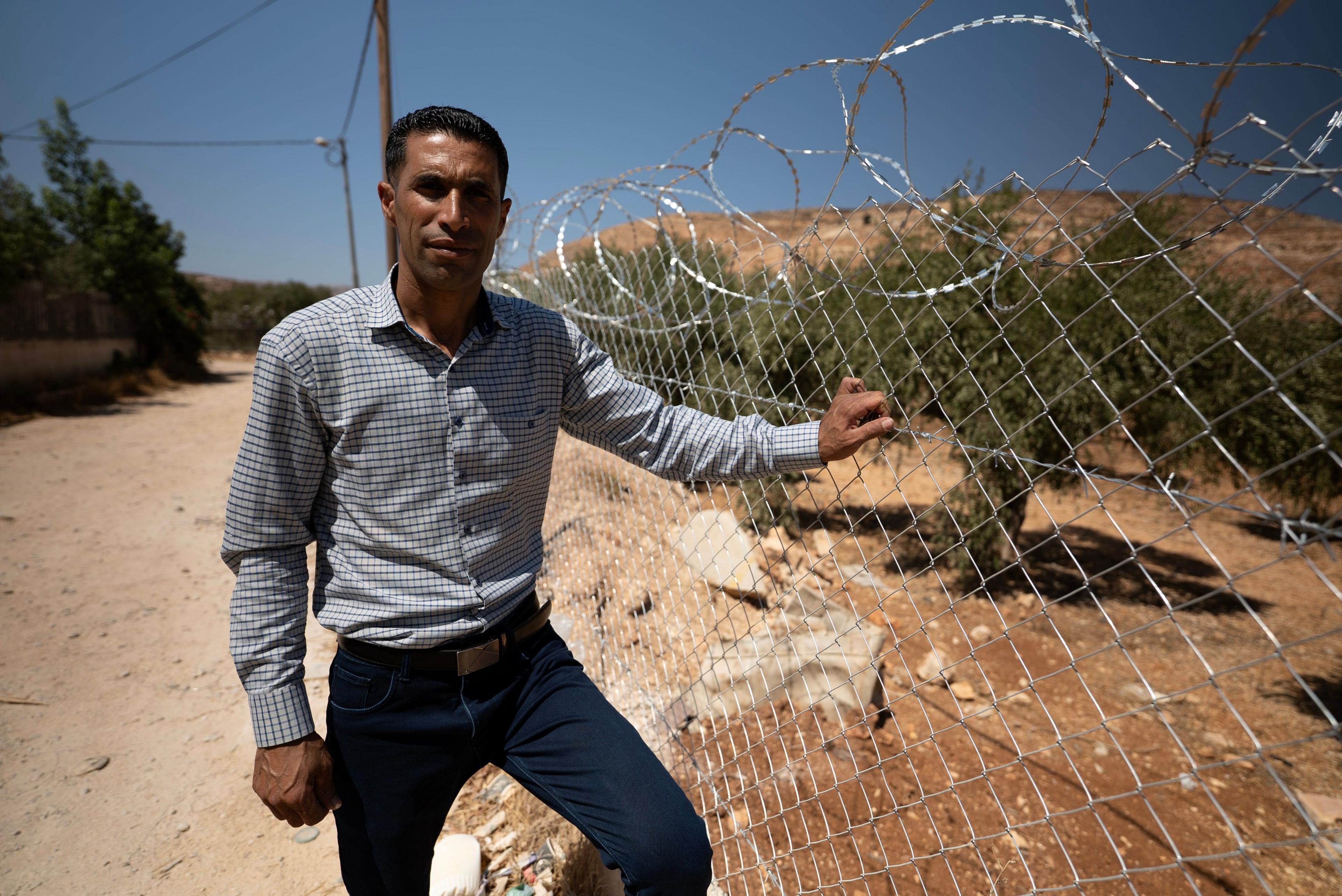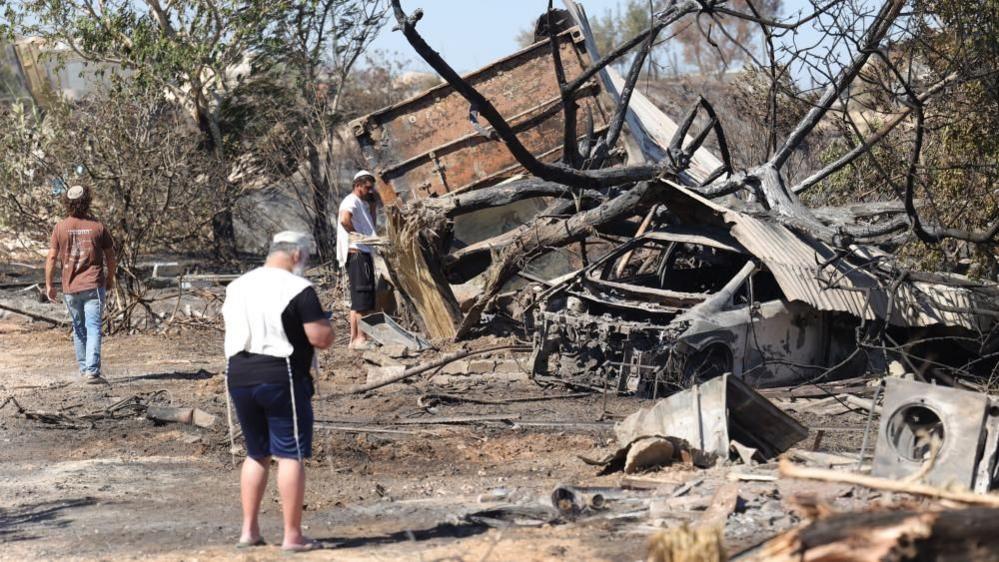
The outpost of Havat Gilad sits high in the West Bank, its hillside shelters visible from nearby Palestinian villages. In a rare behind‑the‑scenes interview, Yehuda Shimon, a lawyer representing settlers, claimed the recent attacks on village homes were a justified act of revenge for an Israeli security guard who was killed in Tal last Friday.
Shimon’s remarks, which frame one Jewish death as a rightful retort to “millions” of Palestinians, drew fierce condemnation. He dismissed calls to examine the legality of the outpost, insisting biblical claims trump international law.
The UN Office for the Coordination of Humanitarian Affairs reports that 64 Palestinians have been killed in the West Bank since January, 18 of those deaths linked to settler activity. The casualty figures conflict sharply with Shimon’s sweeping statements.
The outpost, built without government approval, sits on land that Israel recognises as privately owned by Palestinians. Yet the Israeli state has designated adjacent state land to allow continued settlement expansion. This policy feeds into a cycle of violence, as settlers report feeling protected by military forces while Palestinian residents face restricted movement and limited security.
Shimon’s rhetoric aligns with the ideological views of some far‑right Israeli ministers, who advocate “voluntary” Palestinian migration or outright elimination of resistance groups. The tone of the interview reflects the broader narrative that portrays Palestinians as a threat and a building block for a fortified Israeli society.
Local Palestinians, many of whom live within close proximity to Havat Gilad, describe living under a regime that prioritises settler security over their own. They report feeling abandoned by the international community and fear further escalation of violence.