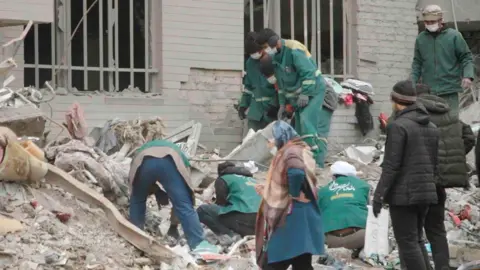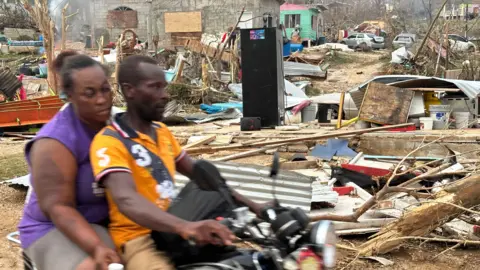
Five days after Hurricane Melissa pummelled into western Jamaica with record force, residents in devastated communities along the coast are still desperately waiting for help. Many of the roads are blocked by debris and people are isolated with little food, no power or running water, and no idea of when normalcy will return.
The government said on Saturday that at least 28 people in Jamaica have died since the hurricane hit as a monster category five storm with 185 mph (297km/h) sustained winds. That is a near 50% jump in the death toll overnight, and the number could rise as officials clear their way into new parts of the island in the coming days. Local official Dr. Dayton Campbell told the BBC 10 of those deaths were in Westmoreland. Westmoreland parish is believed to have the second highest number of unconfirmed deaths, after St Elizabeth to the south east.
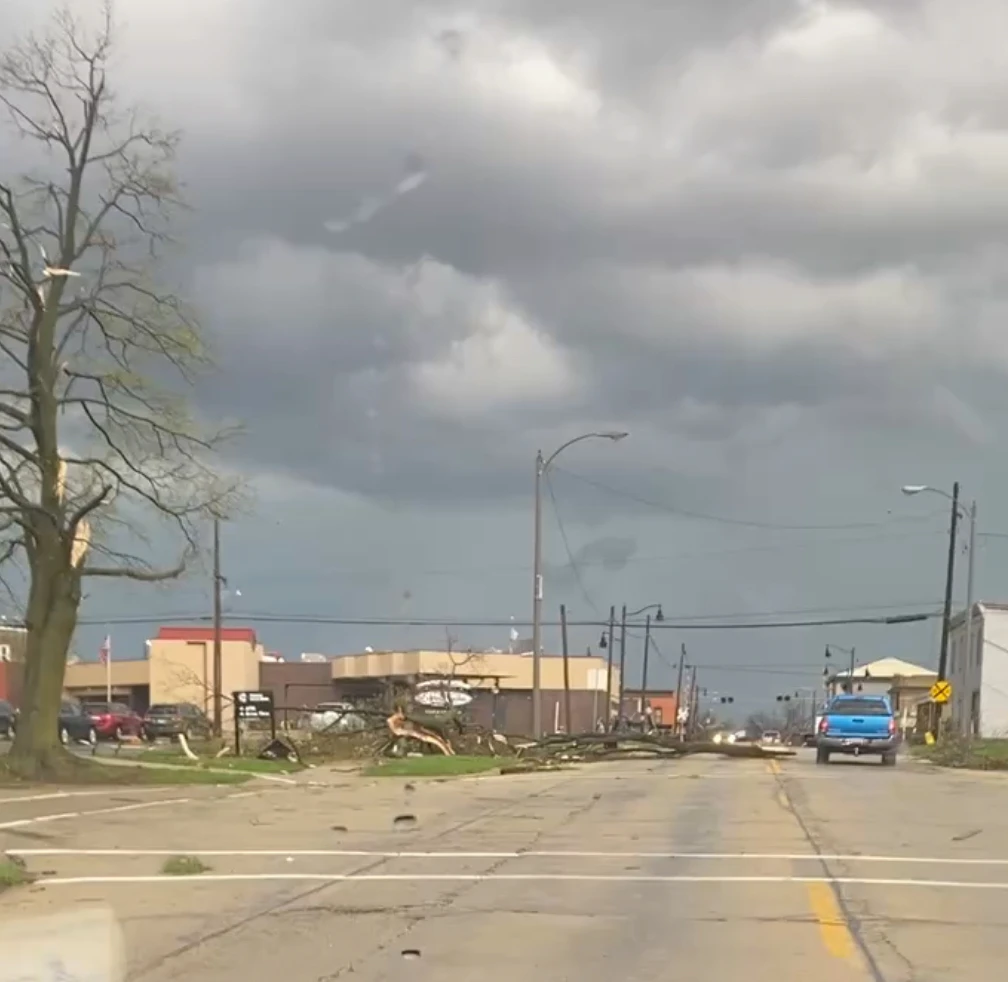
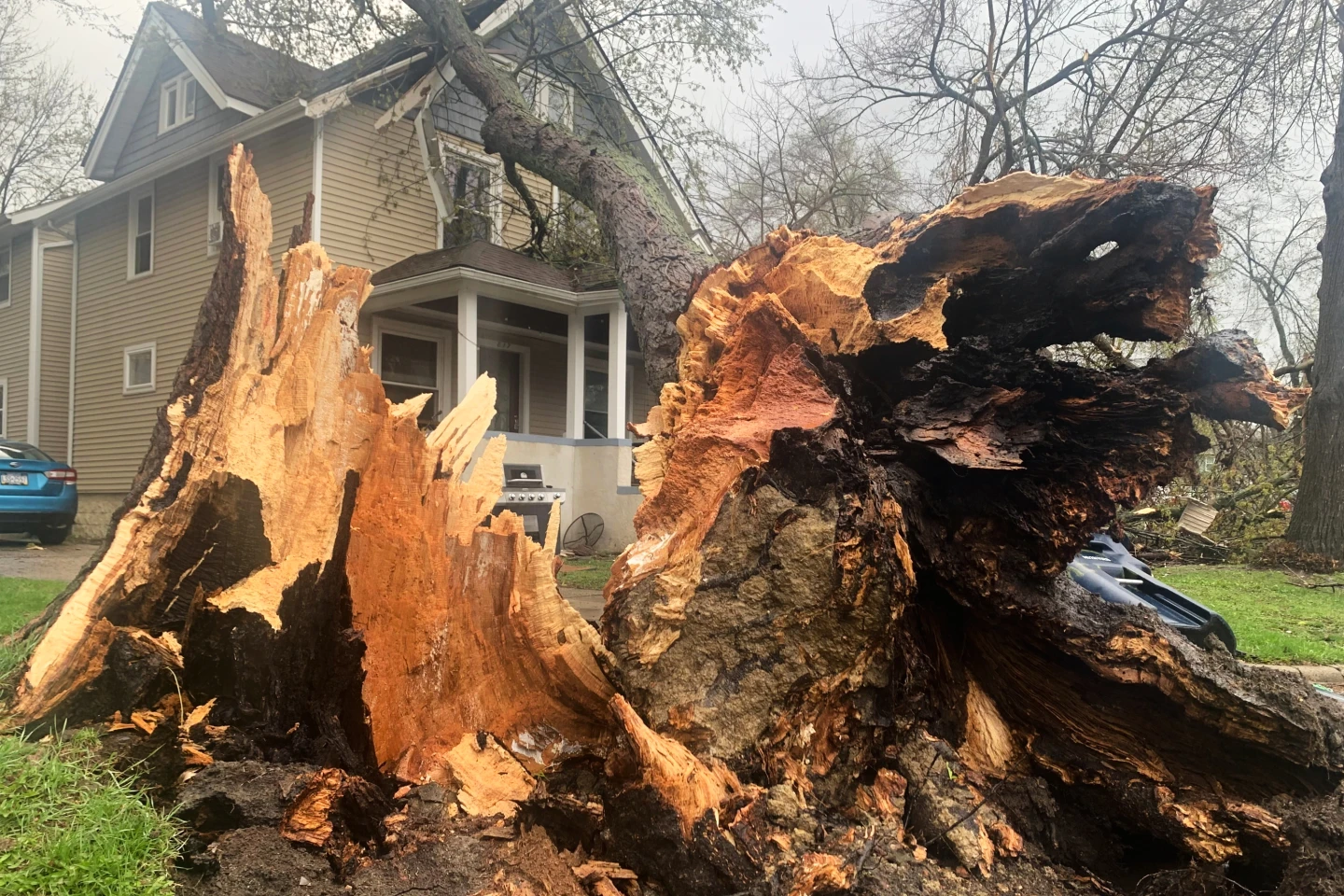
A long stretch of road headed west into Westmoreland Parish winds through a graveyard of trees – stacks of branches and limbs, cracked and twisted, blanketing the landscape for miles. It is grim evidence of Hurricane Melissa's ferocity - it was the strongest storm to strike the Caribbean island in modern history.
Residents of Whitehouse, a coastal town and commercial hub, are frustrated by the unfulfilled promises of incoming aid. Many are left with no choice but to sleep wherever they can, as they grapple with the dire circumstances.
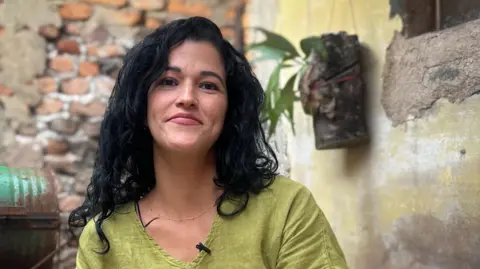
Words can't explain the situation that we're in. It's horrible, said a local woman as she reflected on the hopelessness that has gripped the community.
Approximately 400,000 people have lost power, with many cut off from cell phone service or Wi-Fi. The government is working to clear debris and restore utilities, but for many in the affected areas like Robert Morris, who lost his fishing livelihood, the road to recovery is daunting. He and many others are still awaiting the critical help they need, as foreign assistance begins to arrive on the island.
The government said on Saturday that at least 28 people in Jamaica have died since the hurricane hit as a monster category five storm with 185 mph (297km/h) sustained winds. That is a near 50% jump in the death toll overnight, and the number could rise as officials clear their way into new parts of the island in the coming days. Local official Dr. Dayton Campbell told the BBC 10 of those deaths were in Westmoreland. Westmoreland parish is believed to have the second highest number of unconfirmed deaths, after St Elizabeth to the south east.
A long stretch of road headed west into Westmoreland Parish winds through a graveyard of trees – stacks of branches and limbs, cracked and twisted, blanketing the landscape for miles. It is grim evidence of Hurricane Melissa's ferocity - it was the strongest storm to strike the Caribbean island in modern history.
Residents of Whitehouse, a coastal town and commercial hub, are frustrated by the unfulfilled promises of incoming aid. Many are left with no choice but to sleep wherever they can, as they grapple with the dire circumstances.
Words can't explain the situation that we're in. It's horrible, said a local woman as she reflected on the hopelessness that has gripped the community.
Approximately 400,000 people have lost power, with many cut off from cell phone service or Wi-Fi. The government is working to clear debris and restore utilities, but for many in the affected areas like Robert Morris, who lost his fishing livelihood, the road to recovery is daunting. He and many others are still awaiting the critical help they need, as foreign assistance begins to arrive on the island.